
Sphagnum Moss for Indoor Plants: Propagation & Care Guide
Valerie
Your soil mix is probably the problem
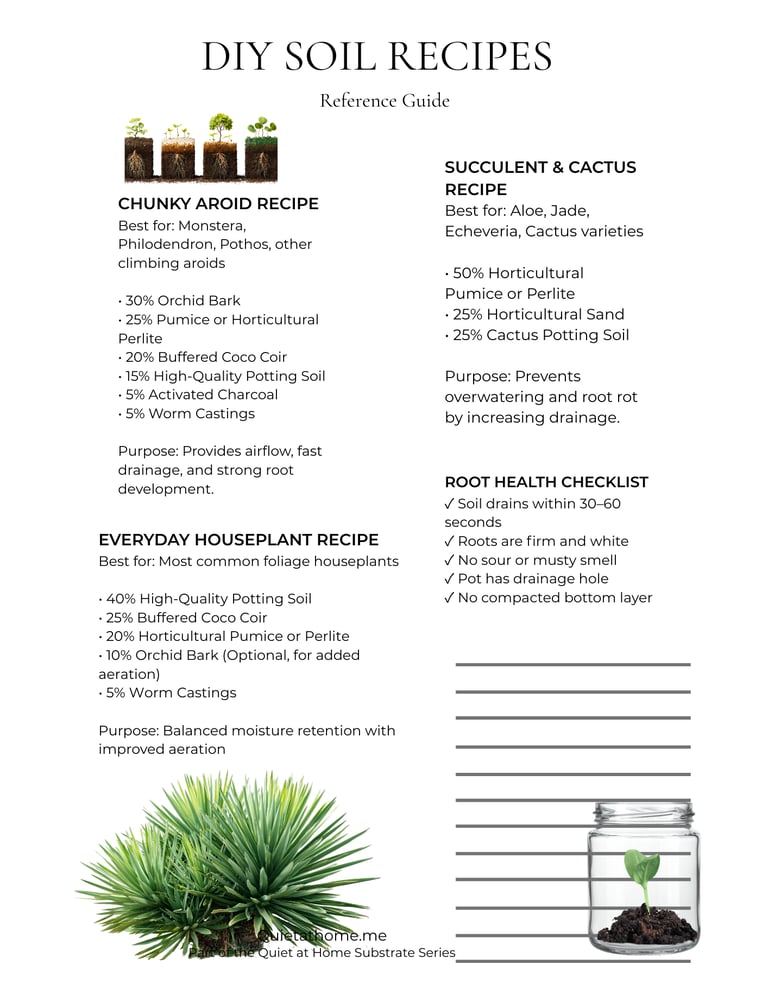
most potting mixes straight from the bag aren't cutting it. grab the free recipe guide and see exactly what your plants actually need.
Why Sphagnum Moss Is Ideal for Propagation & Root Recovery
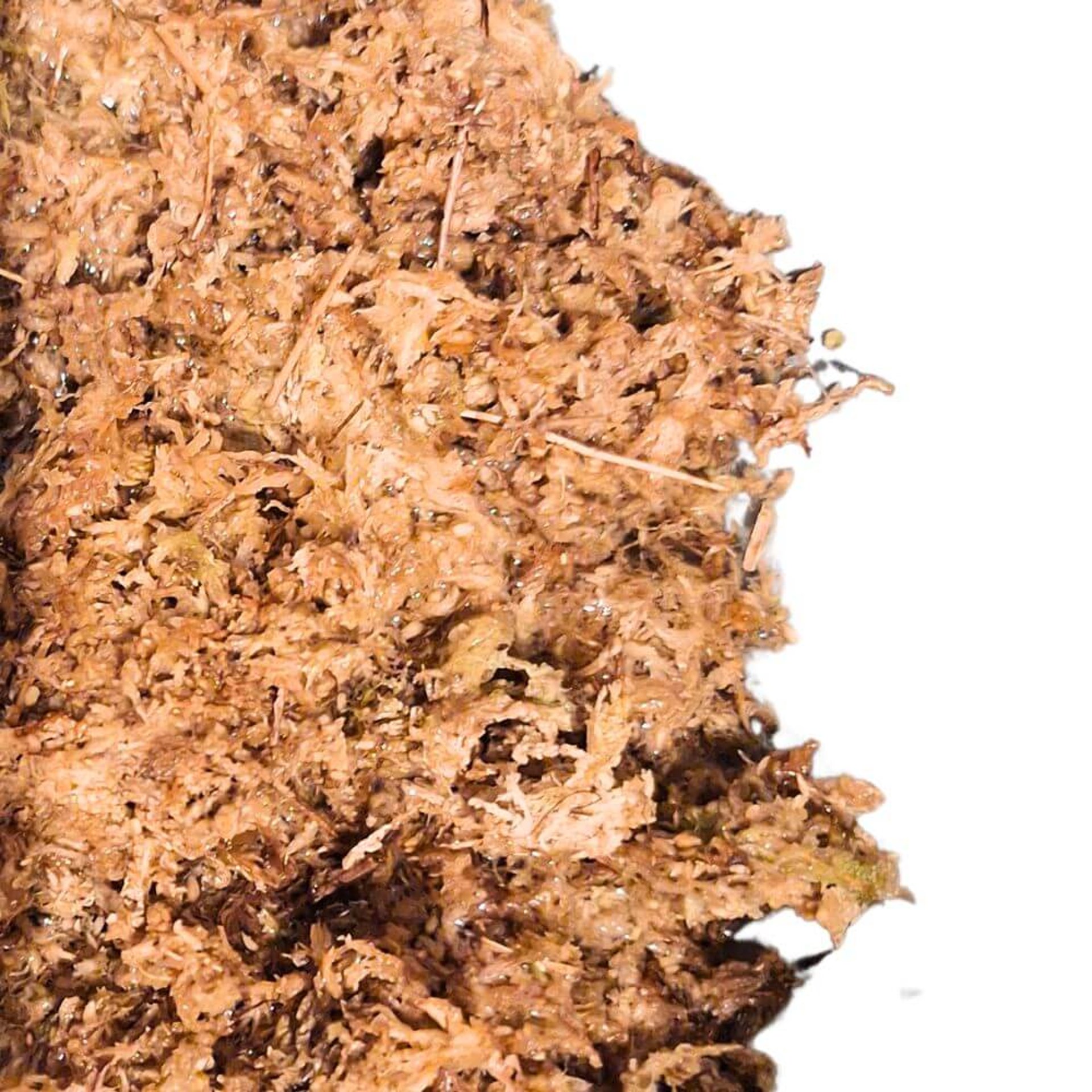
Most propagation mediums force you to choose between moisture and airflow. Sphagnum moss gives you both — and that's exactly why it works so well for rooting cuttings and saving plants from root rot.
Its fiber structure holds water evenly throughout while staying loose enough for oxygen to reach developing roots. New roots don't have to fight through dense, compacted material — they push through sphagnum moss easily, which means faster rooting and less transplant stress when you move the cutting into soil.
For root recovery specifically, sphagnum moss creates a clean, controlled environment around damaged roots. It stays moist without staying wet, which gives roots the hydration they need to heal without the waterlogged conditions that caused the problem in the first place.
What makes it different from soil for propagation:
No nutrients to burn fragile new roots before they're established
Transparent root visibility when used in clear containers
Easy to monitor and adjust moisture without disturbing the cutting
Naturally contains antimicrobial properties that help protect healing roots
Track your cuttings and root development so you don’t lose progress.

How to Prepare Sphagnum Moss for Propagation
Getting your moss prep right is the difference between roots in two weeks and rot in one.
Step 1 — Hydrate your moss properly
Place your dry sphagnum moss in a bowl and cover it with clean water — distilled or rainwater if possible. Let it soak for 10-15 minutes until fully saturated. Never skip this step. Dry moss repels water instead of absorbing it and will pull moisture away from your cutting instead of supporting it.
Step 2 — Squeeze out the excess
Take a handful of soaked moss and squeeze firmly. You want it to hold its shape and feel damp — not dripping. If water streams out when you squeeze, keep squeezing. Too wet means rot. Lightly moist means roots.
Step 3 — Loosen the fibers
Pull the moss apart gently before packing it around your cutting. Loose fibers allow roots to push through easily and let air circulate. Compacted clumps block both.
Step 4 — Wrap or pack around the cutting
For propagation, wrap a small amount loosely around the node or cut end of your cutting. For root recovery, pack loosely around the trimmed root system. Place in a clear container or propagation box to monitor progress without disturbing the plant.
Step 5 — Monitor and mist
Check moisture every 2-3 days. Mist lightly when the surface just begins to feel dry. Never let it dry out completely — but never let it stay soaking wet either.

How to Use Sphagnum Moss in Soil Blends & Aeration Mixes
Sphagnum moss doesn't have to be used on its own. Mixed into a custom soil blend it adds moisture retention and airflow in the same handful — which is exactly what tropical plants need.
The blend:
50% sphagnum moss
30% orchid bark
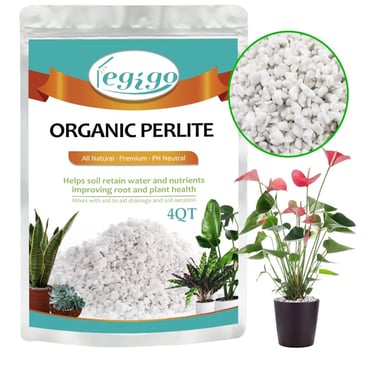
20% pumice or perlite
How to mix it:
Hydrate your sphagnum moss first — never mix it in dry. Soak, squeeze to lightly moist, then pull apart the fibers before combining with orchid bark and pumice. Mix thoroughly in a clean container so every part of the blend has even distribution. Uneven mixing means some roots sit in denser, wetter material than others.
What each ingredient does:
Sphagnum moss — holds moisture evenly and keeps the mix from compacting over time
Orchid bark — creates large air pockets and drainage channels through the mix
Pumice or perlite — adds grit, prevents compaction, and speeds drainage at the root level
Best plants for this blend:
Monsteras, pothos, philodendrons, peace lilies, and any tropical plant that wants consistent moisture without sitting in wet soil. This is not the right mix for succulents, cacti, or drought-tolerant plants — those need a fast-draining gritty mix instead.
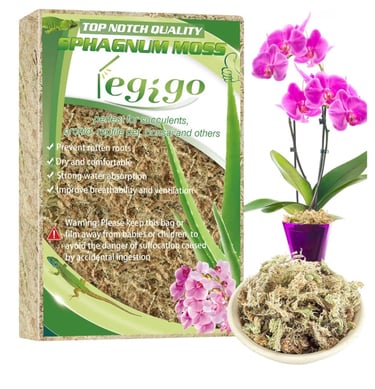
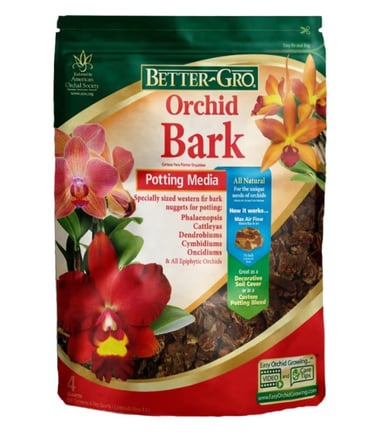
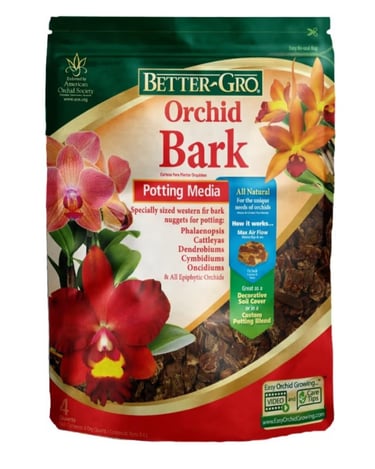
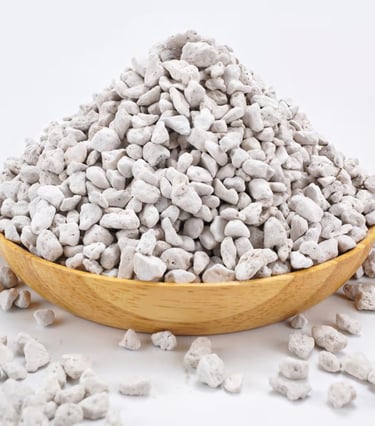
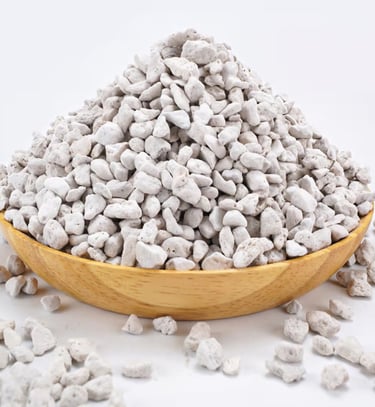
Build a better mix with the right ingredients from the start.
Sphagnum moss is just one piece-the full soil mix is what makes it work.

Root recovery after rot treatment
Monstera and aroid propagation
Moss pole filling
Alocasia humidity stabilization
Carnivorous plants (with species-specific care)
Sphagnum is especially effective when maintaining consistent but controlled moisture levels.
Best Uses for Sphagnum Moss Indoors
Use sphagnum moss to support climbing plants and aerial roots.
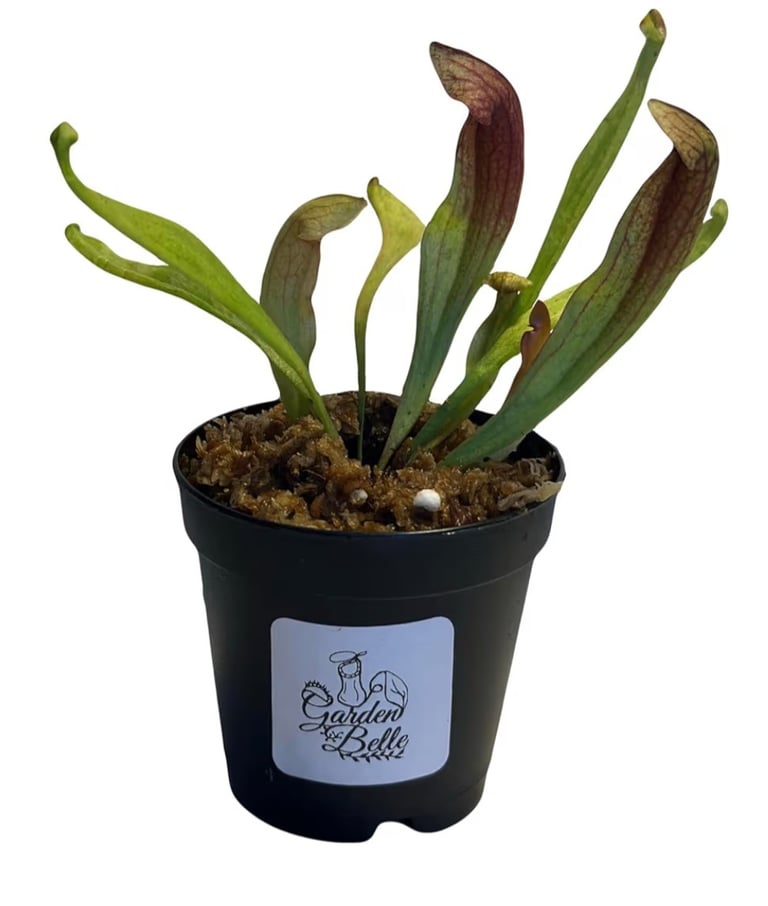
The Sarracenia Maroon carnivorous pitcher plant stands out with dramatic deep red pitcher-shaped foliage that naturally traps insects. If you love unusual plants, rare houseplants, or conversation-starting foliage, this one immediately grabs attention.
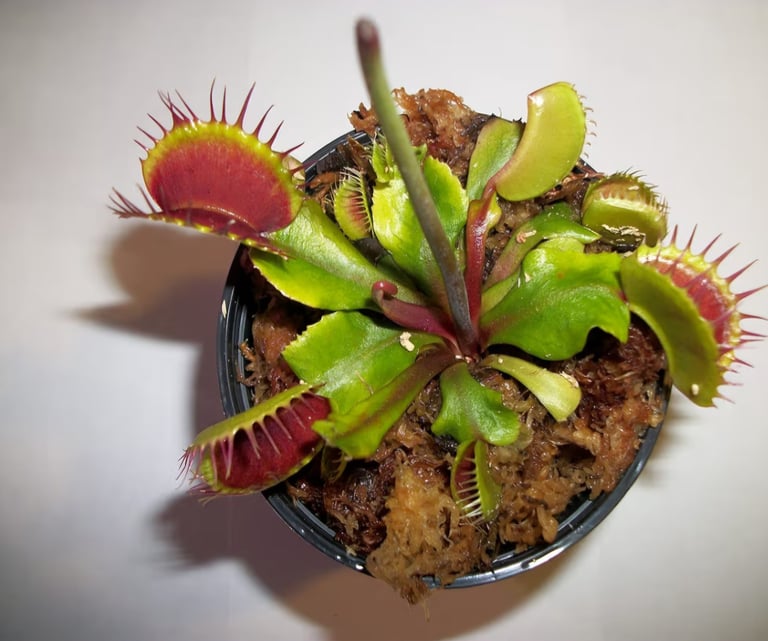
Venus flytrap
Best Indoor Plants for Sphagnum Moss
Sarracenia Maroon Pitcher Plant
Many carnivorous plants naturally grow in moss-heavy environments, making sphagnum moss an ideal long-term medium. It provides the moisture and acidity these plants need without introducing excess nutrients.
Plants That Benefit from Sphagnum Moss
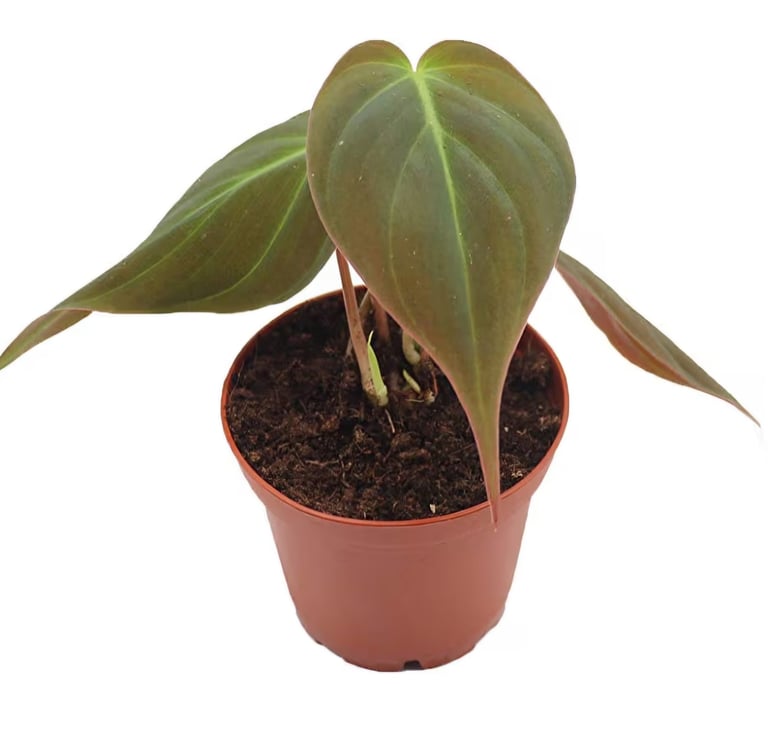
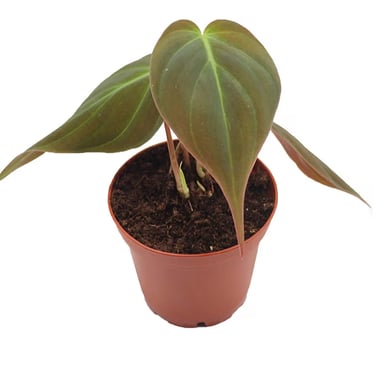
Philodendron micans
Philodendron micans roots quickly in sphagnum moss, making it a great option for propagation. The moss keeps nodes consistently moist, helping roots develop faster without becoming waterlogged.
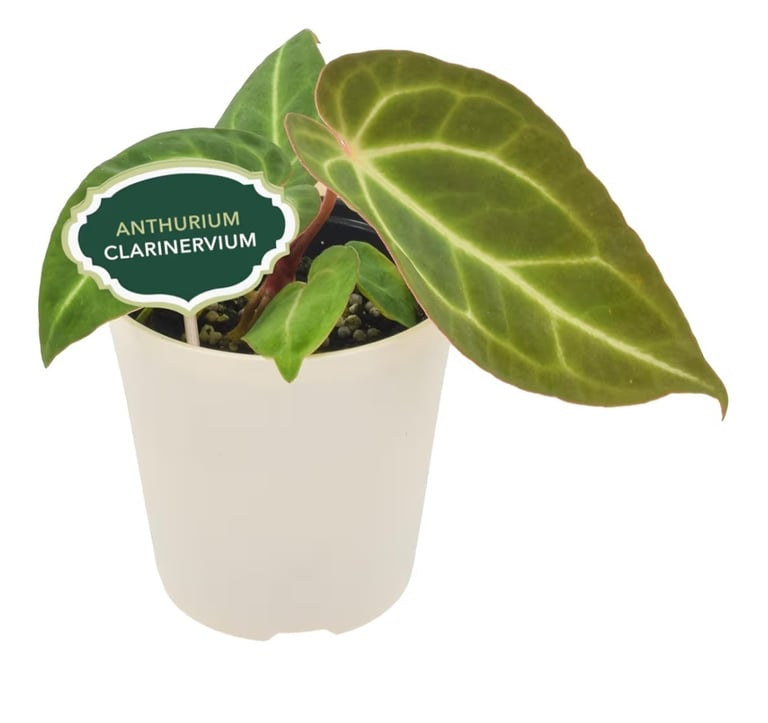
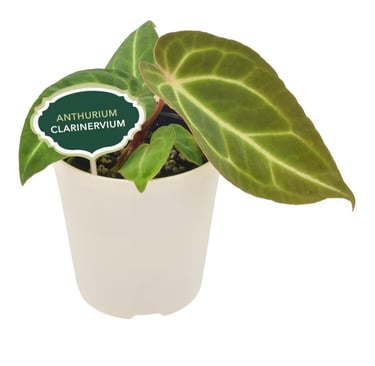
Anthurium clarinervium benefits from sphagnum moss during propagation and root recovery because its roots prefer consistent moisture with airflow. Moss helps stabilize humidity while preventing the dense, soggy conditions that can damage sensitive roots.
Venus flytraps grow best in sphagnum moss due to its ability to hold moisture while remaining low in nutrients. This environment closely replicates their native conditions and supports healthy growth.
Anthurium crystallinum responds well to sphagnum moss during early growth and recovery phases. The moisture retention supports root development while allowing enough airflow to reduce the risk of rot.
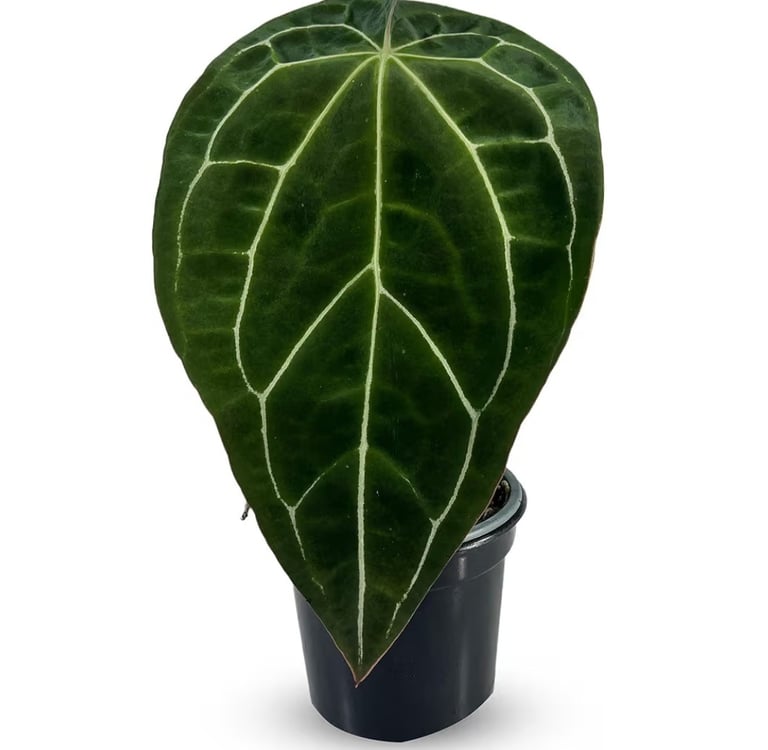
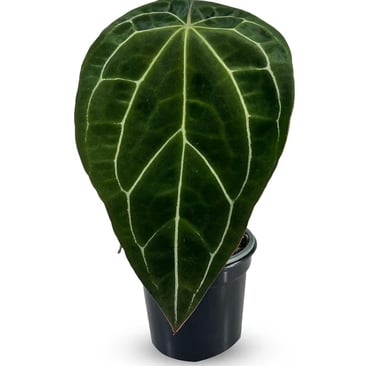
Anthurium crystallinum
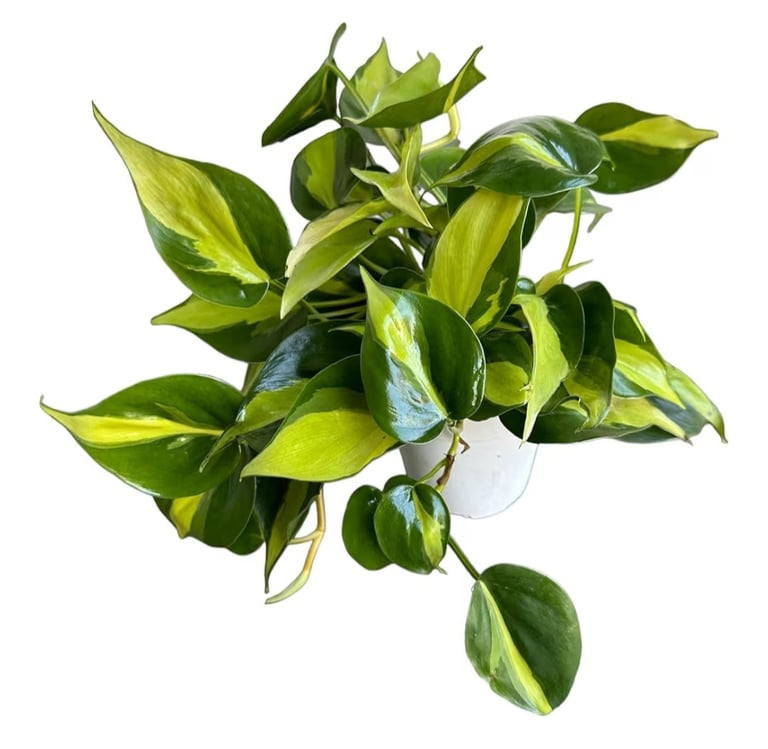
Philodendron brasil adapts well to sphagnum moss during propagation, especially for cuttings. The balance of moisture and airflow helps promote steady root growth and reduces transplant shock.
Philodendron Brasil
Monstera Adansonii
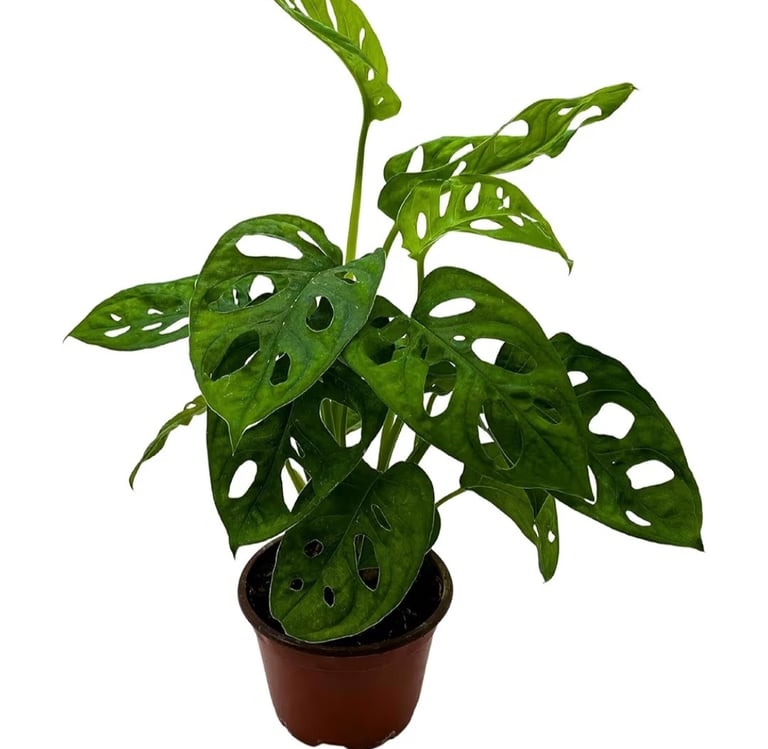
Monstera adansonii cuttings thrive in sphagnum moss because it maintains consistent moisture around nodes while allowing oxygen to reach developing roots, encouraging faster growth.
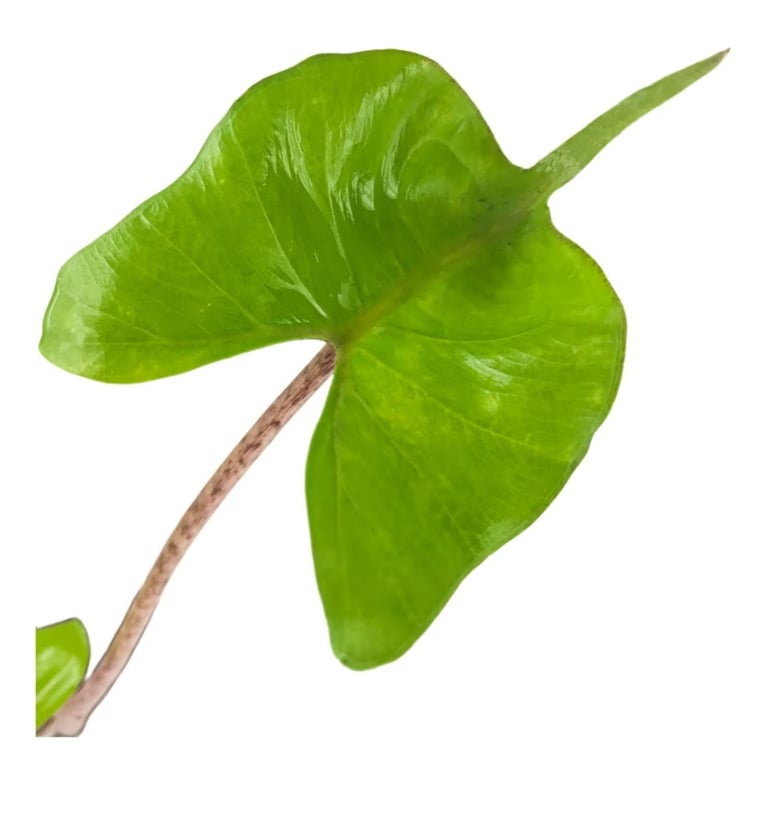
Alocasia corms do especially well in sphagnum moss during early growth stages. The controlled moisture environment helps activate root development while minimizing the risk of rot.
Alocasia corms
Plants That Thrive in Sphagnum Moss
Anthurium clarinervium
Some plants benefit from sphagnum moss during propagation or root recovery, but aren’t suited to grow in it long-term. While moss provides the consistent moisture needed to develop new roots, it can stay too wet for mature root systems if used as a permanent growing medium.
Not all plants are suited to grow in sphagnum moss long-term. While some thrive in consistently moist, low-nutrient environments, others only benefit from moss during propagation or root recovery. Understanding the difference helps you use sphagnum moss effectively without creating excess moisture around established roots.

Common Sphagnum Moss Mistakes to Avoid
Sphagnum moss is forgiving — but these mistakes will rot your roots fast.
Using moss straight out of the bag without hydrating it
Dry sphagnum moss repels water instead of absorbing it. Always soak it in clean water for 10-15 minutes and squeeze out the excess before using it for propagation or root recovery. Dry moss around roots creates air pockets that dry out cuttings before they can root.
Packing moss too tightly around roots or cuttings
Dense, compacted sphagnum moss suffocates roots by cutting off airflow. Pack it loosely so roots can push through easily and oxygen can circulate. Tight packing is one of the most common reasons cuttings fail to root in sphagnum moss.
Keeping moss constantly wet
Sphagnum moss should stay lightly moist — not soaked. Constantly wet moss creates the perfect environment for root rot, fungus gnats, and mold. Let the surface just begin to dry before misting again. If you can squeeze water out of it, it's too wet.
Using sphagnum moss long term for plants that don't need it
Moss is ideal for propagation and root recovery, but leaving established plants in it too long causes problems. Once roots are healthy and developed, most plants do better transitioning to a proper soil mix suited to their needs.
Not replacing old moss
Sphagnum moss breaks down over time, compacts, and loses its ability to drain and aerate properly. If your moss is brown, mushy, or smells sour, replace it immediately. Fresh moss is cheap — root rot recovery is not.
Already seeing signs of damage? Don't wait for it to get worse.

Use a clear propagation box or container
Clear containers let you monitor moisture levels and watch root development without disturbing the cutting. You can spot early signs of rot or mold before they spread, and check root progress without pulling the plant. This single habit alone dramatically improves propagation success rates with sphagnum moss.
Keep humidity high but airflow consistent
High humidity helps cuttings stay hydrated while roots develop, but zero airflow creates mold fast. If you're using a closed propagation box, open it briefly once a day to let fresh air in. A small gap in the lid works perfectly.
Use distilled or rainwater when possible
Tap water contains chlorine and minerals that build up in sphagnum moss over time and can inhibit root growth. Distilled or rainwater keeps your moss clean and your roots healthier longer.
Bottom water instead of top watering
Set your moss container in a shallow tray of water and let it absorb from the bottom up. This keeps the top layer slightly drier — which discourages mold — while keeping the root zone at the right moisture level.
Sphagnum Moss Tips for Healthier Root Growth
When Sphagnum Moss Doesn't Work (And What to Use Instead)
Sphagnum moss is powerful for propagation and root recovery, but it's not the right choice for every plant or situation.
Mature plants with established root systems often struggle in straight sphagnum moss long term, especially in low light or low airflow environments where moisture lingers. When moss stays wet too long around developed roots, it creates the same root rot conditions you were trying to avoid.
Skip sphagnum moss and reach for something else when:
Your plant is fully rooted and ready for a permanent home — move it into a proper soil mix matched to its needs
You're growing succulents, cacti, or any drought-tolerant plant — these need fast-draining gritty mixes, not moisture-retaining moss
Your space has low airflow and low light — moss will stay wet too long and invite fungus and rot
You're dealing with fungus gnat infestations — moist moss is a breeding ground
Not sure which soil mix your plant actually needs? Check my full indoor plant care guide here.
How To Fertilize Plants Growing in Sphagnum Moss
Sphagnum moss contains almost no nutrients on its own — which means fertilizing correctly actually matters more here than in a standard potting mix.
When to fertilize
Only fertilize once roots are actively growing and established. Fertilizing a cutting that hasn't rooted yet causes fertilizer burn on fragile new roots. Wait until you can see healthy white roots developing before feeding at all.
What to use
Use a balanced liquid fertilizer diluted to quarter strength — not half strength like you would in soil. Sphagnum moss delivers nutrients directly to roots with nothing to buffer the concentration, so less is genuinely more here.
How to apply
Mix your diluted fertilizer into your watering or misting solution and apply evenly. Never apply fertilizer to dry moss — always make sure the moss is lightly moist first so nutrients distribute evenly rather than concentrating at the roots.
How often
Once every 3-4 weeks during active growth only. Sphagnum moss used for propagation or short term root recovery doesn't need heavy feeding — you're building roots, not pushing growth.
Want a full fertilizer schedule for your plants?
Fertilizing isn't one-size-fits-all-different plants need different approaches.

Sphagnum Moss FAQs
Q: What is sphagnum moss used for in indoor plant care?
A: Sphagnum moss is most commonly used for propagating cuttings, recovering plants from root rot, and adding moisture retention and aeration to custom soil blends. Its ability to hold water while staying loose and airy makes it ideal for supporting new root growth.
Q: How wet should sphagnum moss be for propagation?
A: Sphagnum moss for propagation should be lightly moist — damp enough to hold shape when squeezed but not dripping water. If you can squeeze water out of it, it's too wet and will cause rot instead of roots.
Q: Can sphagnum moss cause root rot?
A: Yes, if kept too wet or used in low airflow environments, sphagnum moss can cause root rot. The key is keeping it lightly moist, never soaked, and making sure there's enough airflow around the container to prevent mold and fungal buildup.
Q: What plants grow best in sphagnum moss?
A: Sphagnum moss works best for tropical plants like monsteras, pothos, philodendrons, and orchids. It's especially effective for propagating cuttings and recovering plants with damaged root systems. Avoid using it long term for succulents, cacti, or drought-tolerant plants.
Q: How long does sphagnum moss last before needing replacement?
A: Fresh sphagnum moss typically lasts several months before breaking down. Replace it when it turns brown and mushy, smells sour, or stops draining properly. Old compacted moss loses its aeration properties and creates the same dense wet conditions it was meant to prevent.
Q: Can I reuse sphagnum moss?
A: You can reuse sphagnum moss if it's still in good condition — light colored, intact fibers, no smell. Rinse it thoroughly with clean water first. If it's brown, compacted, or smells musty, discard it. Reusing contaminated moss spreads rot and mold to healthy plants.
Q: Should I fertilize plants in sphagnum moss?
A: Yes but carefully. Sphagnum moss has no nutrients of its own so feeding is important once roots establish. Use a balanced liquid fertilizer at quarter strength every 3-4 weeks during active growth only. Never fertilize dry moss or unrooted cuttings.
Q: What is the difference between sphagnum moss and peat moss?
A: Sphagnum moss is the living or dried whole fiber used for propagation and moisture retention. Peat moss is decomposed sphagnum that's been compressed over thousands of years — it's finer, more acidic, and used as a soil amendment rather than a propagation medium. They are not interchangeable.
Your soil mix is probably the problem


most potting mixes straight from the bag aren't cutting it. grab the free recipe guide and see exactly what your plants actually need.
Create a Reliable Indoor Plant Care Foundation
If your plant care feels inconsistent, your soil is often the starting point.
A balanced indoor soil mix gives you a stable foundation so watering becomes easier, roots stay healthy, and plants grow more predictably.
Instead of constantly adjusting your care routine, start with a mix that works with your environment.
Fix your plant setup + stay consistent →
Build a reliable plant system
Not sure what mix is right for you?
Ready to build your full plant setup?
Most of my favorite things ship for free with a Prime membership. If you haven't tried it, there's a free trial available here.