
Essential Soil Ingredients for Indoor Plants: What to Use and Why It Works
Valerie
Why the Right Soil Ingredients Make or Break Your Indoor Plants
Most houseplants do not die from neglect. They die from the wrong foundation.
The soil your plant lives in controls everything — how water moves through the root zone, how much oxygen reaches the roots, how nutrients are delivered, and whether the root system can expand the way the plant needs it to. Get the soil right and everything else becomes easier. Watering becomes more forgiving. Growth becomes more consistent. Root rot becomes rare instead of inevitable.
Standard potting soil from a bag works for some plants some of the time. But for tropical aroids, climbing plants, succulents, and high-performance indoor growers, a custom blend built from the right ingredients is what separates plants that survive from plants that genuinely thrive.
This guide covers every essential soil ingredient, what it does, which plants it serves, and exactly how to combine them into the three most useful DIY blends for indoor plant care.

Essential Organic Ingredients for DIY Indoor Plant Soil Recipes
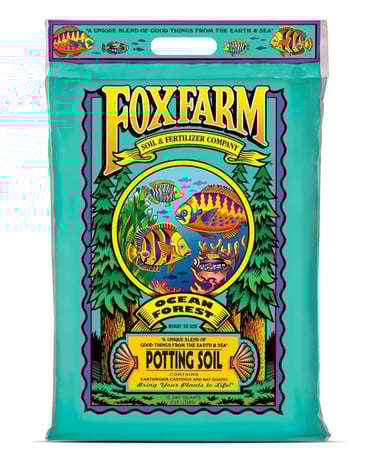
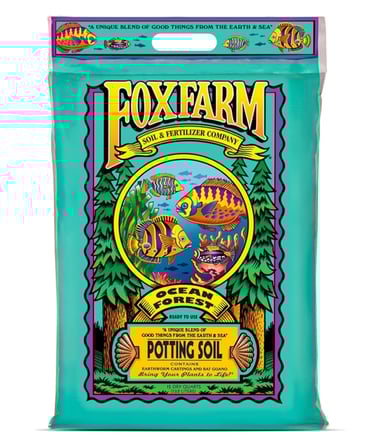
Potting Soil —The Base Layer
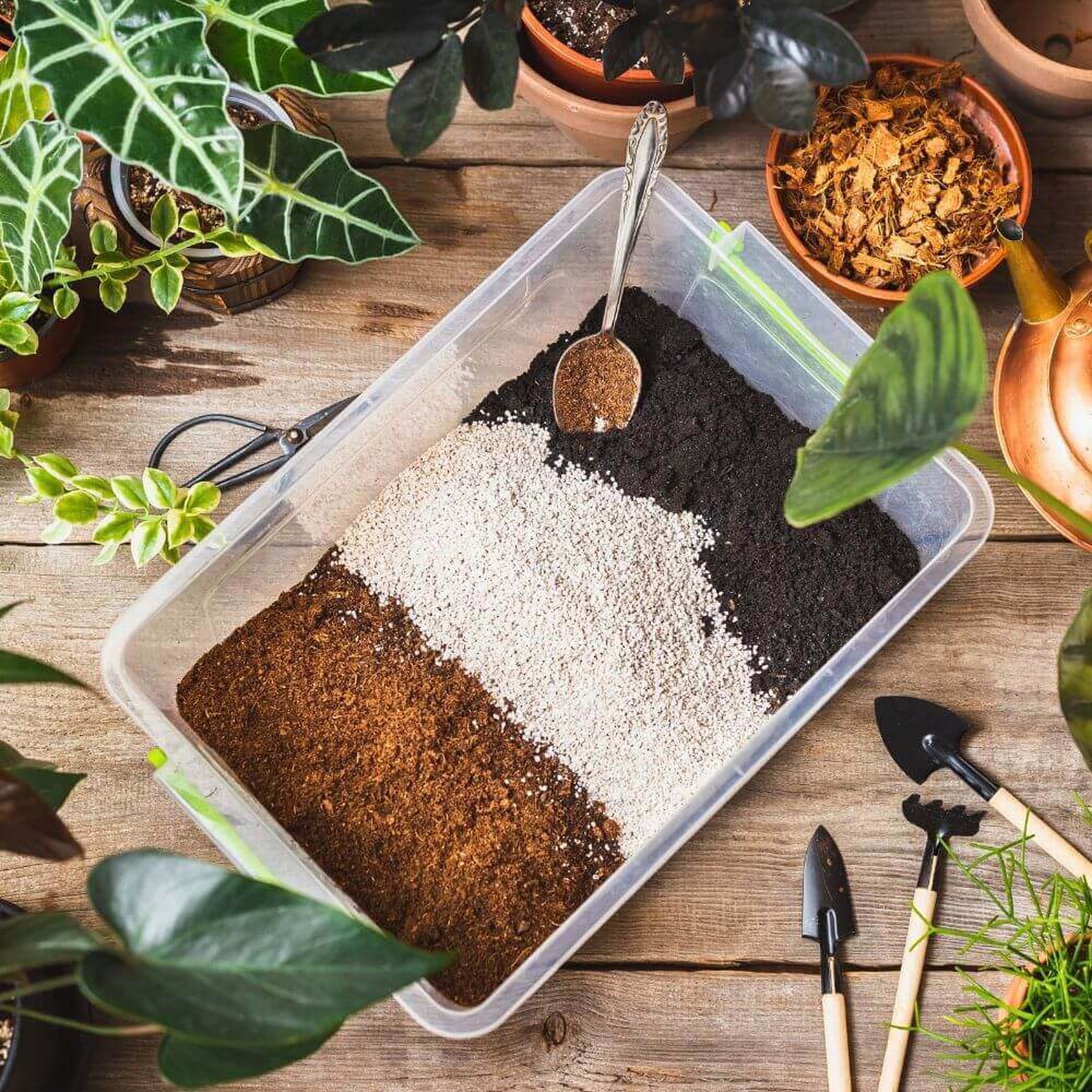
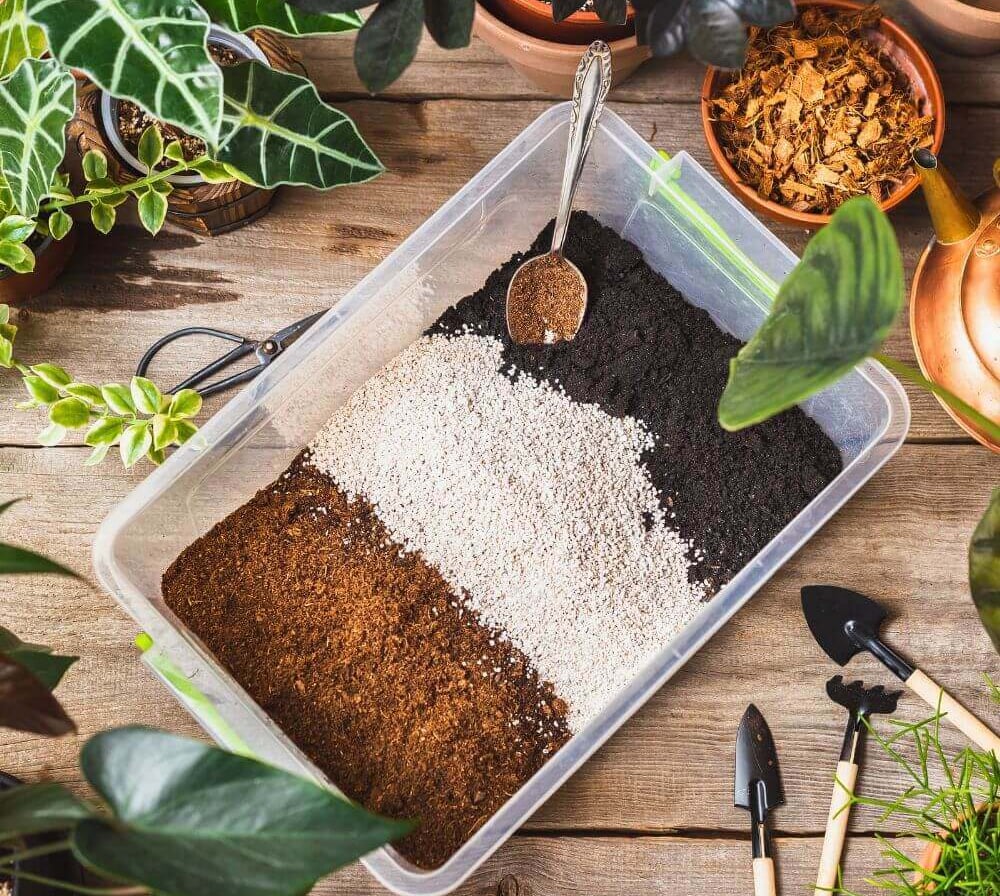
Every high-performance indoor soil mix is built from a small set of ingredients — each one serving a specific function in the root environment. Understanding what each ingredient does gives you the ability to build or adjust any mix for any plant rather than guessing or following a recipe blindly. These are the ingredients that matter and exactly what each one brings to the blend.
Potting soil is the foundation of most indoor soil blends. It provides organic matter, some initial nutrients, and the structure that holds everything else together. On its own it is too dense and moisture-retentive for most tropical houseplants — but as a base layer amended with drainage and aeration ingredients it becomes the anchor of a highly effective custom blend. Choose a quality potting mix without added moisture control gel or slow release fertilizer beads for the most versatile base.
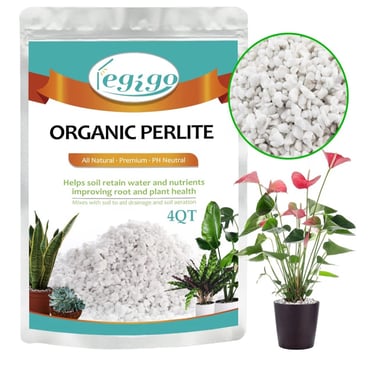
Perlite (Horticultural Grade)—Drainage and Aeration
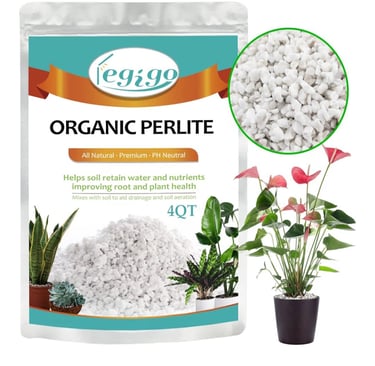
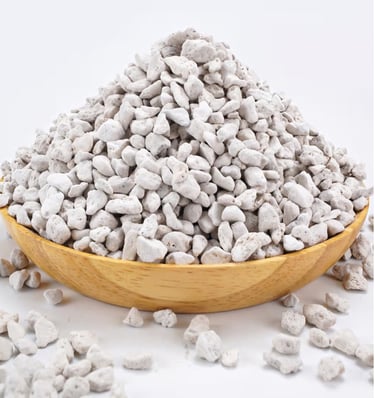
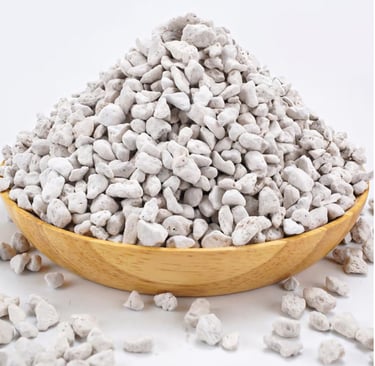
Perlite is a volcanic glass that has been heated until it expands into lightweight white spheres. It does not absorb water — it creates air pockets that improve drainage and keep oxygen flowing through the root zone. Perlite is the most versatile amendment in indoor plant care. It goes into almost every blend at varying ratios depending on how much drainage and aeration the plant needs. More perlite means faster drainage and more oxygen. It is non-negotiable for root rot prevention in moisture-sensitive plants.
Orchid Bark—Chunky Structure and Long-Term Aeration
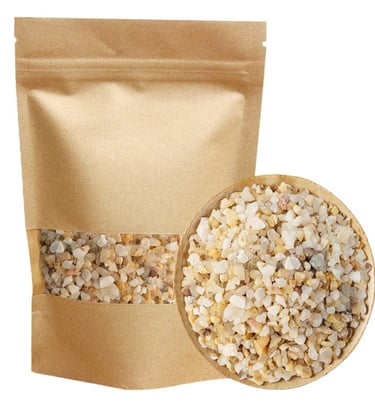
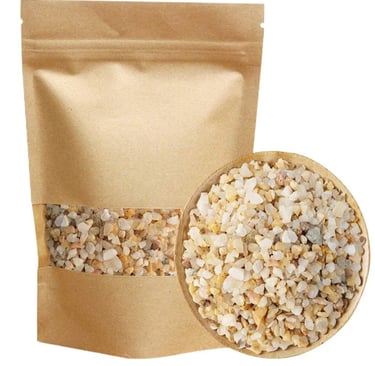
Horticultural sand adds weight and grit to soil blends, improving drainage for plants that need their root zone to dry out completely between waterings. It is coarse and angular — not fine beach or play sand which compacts and makes drainage worse rather than better. Use horticultural sand specifically in succulent, cactus, and drought-tolerant plant mixes. It is not beneficial in tropical plant blends where some moisture retention is needed.
Horticultural Sand — Grit for Desert Plants
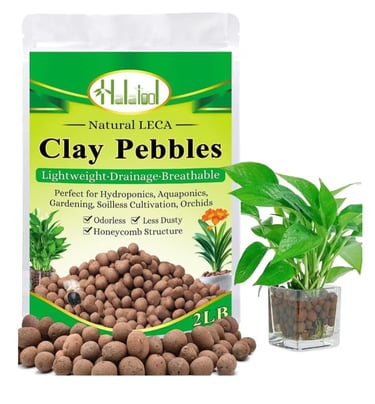
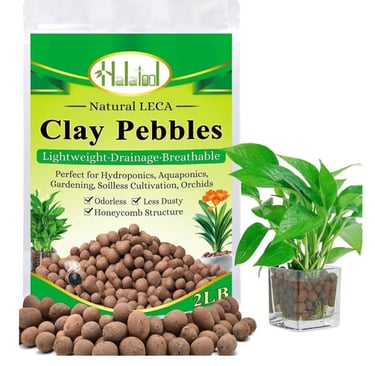
LECA is lightweight expanded clay aggregate — a semi-hydroponic growing medium rather than a soil ingredient. Porous clay balls sit in a reservoir system where the plant controls its own moisture uptake. It does not mix into soil blends — it replaces soil entirely for plants being grown in a semi-hydroponic setup. LECA eliminates overwatering almost entirely, creates permanent aeration at the root zone, and supports faster growth in tropical plants that are well matched to the system.
Horticultural Charcoal — Root Zone Protection
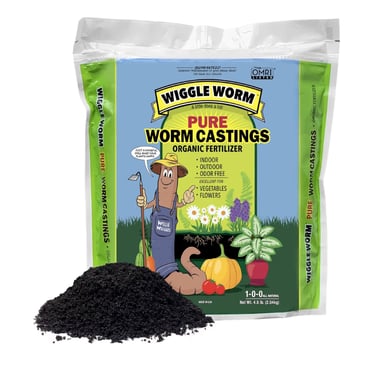
Worm Castings — Slow Release Nutrition and Soil Biology
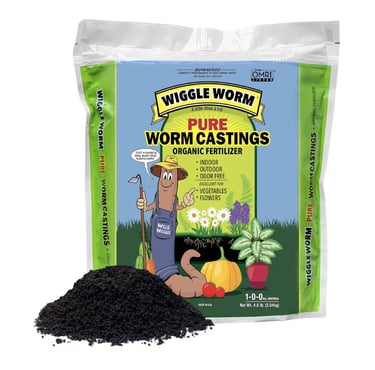
Worm castings are the richest natural fertilizer available for indoor plant soil. They add slow-release nutrients, beneficial microorganisms, and humic acids that improve nutrient uptake at the root level. Unlike synthetic fertilizers worm castings will not burn roots even at higher concentrations. They feed the soil biology as much as the plant, creating a healthier root environment over time. Use them at 5 to 10 percent of any blend as a gentle long-term nutrition base — especially effective in chunky mixes that drain nutrients quickly.
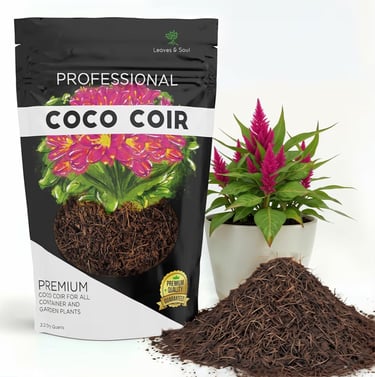
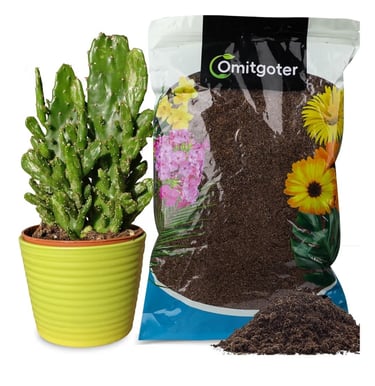
Coco coir is made from the fibrous husks of coconut shells. It holds moisture consistently while staying loose and airy — which is exactly what most potting soil cannot do on its own. Unlike peat moss, coco coir is a renewable resource, has a near-neutral pH, and does not compact over time the way organic matter does. It is the moisture retention ingredient of choice for tropical plant blends and works exceptionally well for aroids that want consistent hydration without waterlogging.
Coco Coir (Buffered)—Moisture Retention Without Compaction
Peat Moss—Acidity and Fine Moisture Retention
Peat moss is decomposed sphagnum that has been compressed over thousands of years into a fine, dark, acidic medium. It holds moisture well and lowers soil pH, making it useful for acid-loving plants like ferns, blueberries, and some orchids. It is not interchangeable with sphagnum moss — peat is a soil amendment used in blends, not a propagation medium. Because peat is not a renewable resource and acidifies soil significantly, many growers substitute coco coir for most applications where fine moisture retention is needed without the acidity.
Pumice — Heavy Duty Drainage for Succulents and Aroids
Pumice is a porous volcanic rock that improves drainage and aeration without breaking down over time. Unlike perlite it is heavier and stays in place better in the mix — it does not float to the surface when watered. Pumice is the preferred drainage amendment for succulent and cactus mixes where maximum drainage is essential and long-term soil structure matters. It also performs exceptionally well in chunky aroid blends as a perlite alternative or alongside it for extra drainage performance.
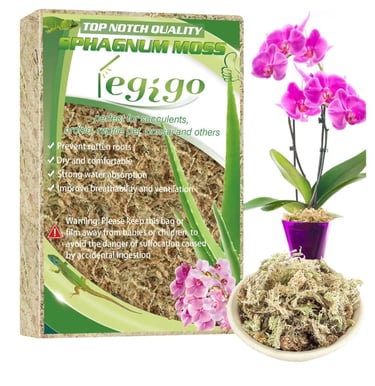
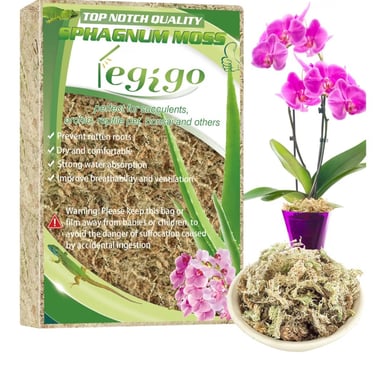
Sphagnum Moss — Propagation and Moisture Retention
LECA — The Soil-Free Option
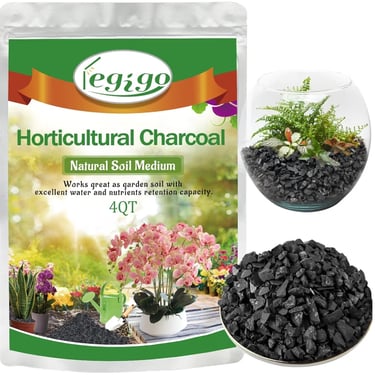
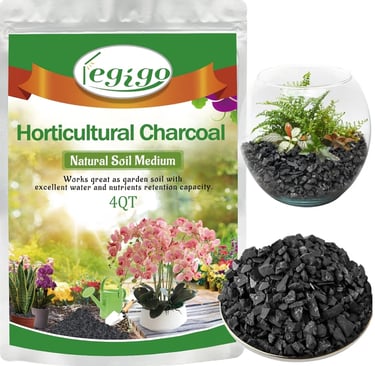
Horticultural charcoal absorbs toxins, neutralizes bacteria, and prevents the anaerobic conditions that lead to root rot. It is not a nutrient source — it is a protective amendment that keeps the root environment clean between waterings. Particularly valuable in chunky mixes, LECA setups, and any container without perfect drainage where bacterial buildup is a risk. Use it at 5 percent of the total blend — a small amount goes a long way.
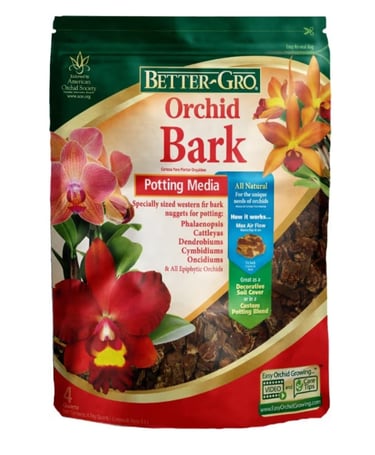
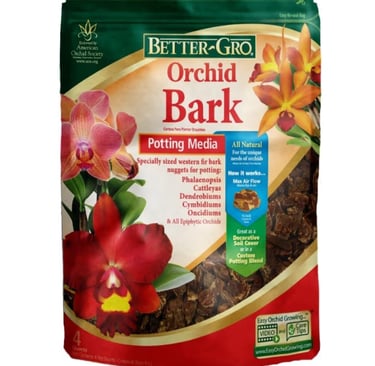
Orchid bark is made from fir or pine bark broken into chunky pieces. It creates the large air pockets that give chunky aroid mixes their characteristic loose, breathable structure. Bark breaks down slowly, meaning it maintains aeration for 12 to 18 months before needing replacement. It also provides a surface for aerial roots to grip and anchor into — making it especially valuable for climbing plants like Monstera and Philodendron. The chunkier the bark the more aeration it provides and the faster the mix drains.
Sphagnum moss is the living or dried whole fiber version of the moss that eventually becomes peat. It holds an extraordinary amount of water relative to its weight while staying loose and airy enough for roots to penetrate easily. Used as a propagation medium for cuttings, a top layer to retain surface moisture, a fill material for moss poles, and as an amendment in blends where moisture retention needs to be high without compaction. It is not a permanent soil ingredient — it breaks down over several months and needs to be replaced when it becomes compacted or discolored.
See the full LECA guide for setup and care details.
Signs Your Indoor Soil Mix Needs Improvement
Your plant will tell you when the soil is failing long before the situation becomes critical. These are the signs that your current mix is working against your plant and needs to be refreshed or rebuilt.
The soil stays wet for more than a week after watering.
The mix has compacted or broken down and is no longer draining correctly. This creates the anaerobic conditions that cause root rot regardless of how carefully you water.
New leaves are coming in smaller than previous ones.
The root system is running out of space or oxygen. Compacted soil restricts root expansion and directly limits leaf size — especially in fast-growing aroids.
Yellowing leaves that do not respond to watering adjustments.
Waterlogged roots cannot absorb nutrients even when nutrients are present. If cutting back on water does not stop yellowing within two to three weeks, the soil is the problem not your watering habit.
The soil pulls away from the edges of the pot.
This means the organic matter has broken down and the soil has lost structure. Water channels down the gap and bypasses the root zone entirely.
A musty or sour smell from the pot.
Healthy soil smells earthy and neutral. A sour or rotten smell means anaerobic bacterial activity — the precursor to root rot. Repot immediately and inspect the roots.
The plant has been in the same soil for more than 18 months.
Even if none of the above signs are visible, soil degrades over time. Bark breaks down, perlite sinks, organic matter compacts. Refreshing or rebuilding the mix every 12 to 18 months keeps the root environment performing the way it was designed to.
When you see these signs, act fast. The longer a plant stays in failing soil the more root damage accumulates — and root recovery takes significantly longer than prevention.

Frequently Asked Questions About Indoor Plant Soil Ingredients
Q1. What ingredients should I add to indoor plant soil to improve drainage?
Perlite and pumice are the two most effective drainage amendments for indoor plant soil. Perlite is lightweight, affordable, and works in almost every blend. Pumice is heavier, stays in place better, and is especially effective in succulent and chunky aroid mixes. Adding 20 to 30 percent of either to a standard potting mix significantly improves drainage and reduces root rot risk.
Q2. What is the difference between coco coir and peat moss?
Coco coir is made from coconut husks and is a renewable resource with a near-neutral pH. Peat moss is decomposed sphagnum compressed over thousands of years — it is acidic and non-renewable. Both retain moisture well but coco coir is the better choice for most tropical houseplants because it does not acidify the soil and does not compact as quickly over time.
Q3. What does perlite do in potting soil?
Perlite creates air pockets in the soil that improve drainage and keep oxygen circulating around roots. It does not absorb water — it redirects it away from the root zone. This prevents the waterlogged conditions that cause root rot and keeps roots oxygenated between waterings. It is one of the most important amendments for tropical and moisture-sensitive houseplants.
Q4. What is orchid bark used for in houseplant soil?
Orchid bark adds chunky structure and long-term aeration to indoor plant soil mixes. It creates large air pockets that keep oxygen flowing to roots and drains excess water quickly. It breaks down slowly — lasting 12 to 18 months before needing replacement — and provides a surface texture that aerial roots on climbing plants like Monstera and Philodendron can grip and anchor into.
Q5. How do I make my own potting mix for tropical houseplants?
A reliable everyday tropical houseplant mix is 40 percent potting soil, 25 percent coco coir, 20 percent pumice or perlite, 10 percent orchid bark, and 5 percent worm castings. This blend provides the moisture balance, drainage, aeration, and slow-release nutrition that most tropical houseplants need to thrive indoors. Adjust the pumice or perlite ratio up for faster-draining plants and down for plants that prefer more consistent moisture.
Q6. What soil mix is best for Monstera and Philodendron?
Monstera and Philodendron thrive in a chunky aroid mix with high aeration and fast drainage. A reliable blend is 30 percent orchid bark, 25 percent pumice or perlite, 20 percent coco coir, 15 percent potting soil, 5 percent horticultural charcoal, and 5 percent worm castings. This creates the oxygen-rich, fast-draining root environment these plants evolved in and consistently produces larger leaves and faster growth than standard potting soil.
Q7. What is horticultural charcoal used for in plant soil?
Horticultural charcoal absorbs toxins, neutralizes harmful bacteria, and prevents the anaerobic conditions that cause root rot. It is used as a protective amendment in indoor plant soil blends — particularly chunky mixes and containers with limited drainage. It does not provide nutrients. Use it at around 5 percent of your total blend for clean, healthy root zone conditions.
Q8. Can I use worm castings as fertilizer for indoor plants?
Yes. Worm castings are an excellent slow-release fertilizer for indoor plants. They deliver nutrients gently without burning roots, improve soil biology, and feed beneficial microorganisms in the root zone. Add them at 5 to 10 percent of any soil blend for a natural, long-lasting nutrition base. They work particularly well in fast-draining mixes that flush synthetic nutrients out quickly.
Q9. What is the best soil mix for succulents and cacti indoors?
The best indoor succulent and cactus mix prioritizes maximum drainage and fast drying. A reliable blend is 50 percent pumice or perlite, 25 percent horticultural sand, and 25 percent cactus potting soil. This dries out completely between waterings — which is exactly what drought-tolerant plants need to avoid root rot indoors. Always use horticultural or coarse builder's sand, never fine beach or play sand which compacts and worsens drainage.
Q10. How do I know if my indoor plant soil needs to be replaced?
Replace your soil when it stays wet for more than a week after watering, smells musty or sour, pulls away from the edges of the pot, or has been in the same container for more than 18 months. Other signs include yellowing leaves that do not respond to watering changes and stunted or no new growth during the active growing season. Degraded soil is one of the most common and most overlooked causes of houseplant decline.
Create a Reliable Indoor Plant Care Foundation
If your plant care feels inconsistent, your soil is often the starting point.
A balanced indoor soil mix gives you a stable foundation so watering becomes easier, roots stay healthy, and plants grow more predictably.
Instead of constantly adjusting your care routine, start with a mix that works with your environment.
Fix your plant setup + stay consistent →
Build a reliable plant system
Looking for a Chunkier Mix?
Not sure what mix is right for you?
Your soil mix is probably the problem


most potting mixes straight from the bag aren't cutting it. grab the free recipe guide and see exactly what your plants actually need.
Most of my favorite things ship for free with a Prime membership. If you haven't tried it, there's a free trial available here.