
LECA for Indoor Plants: Semi Hydro Setup, Watering, and Care Guide
Valerie
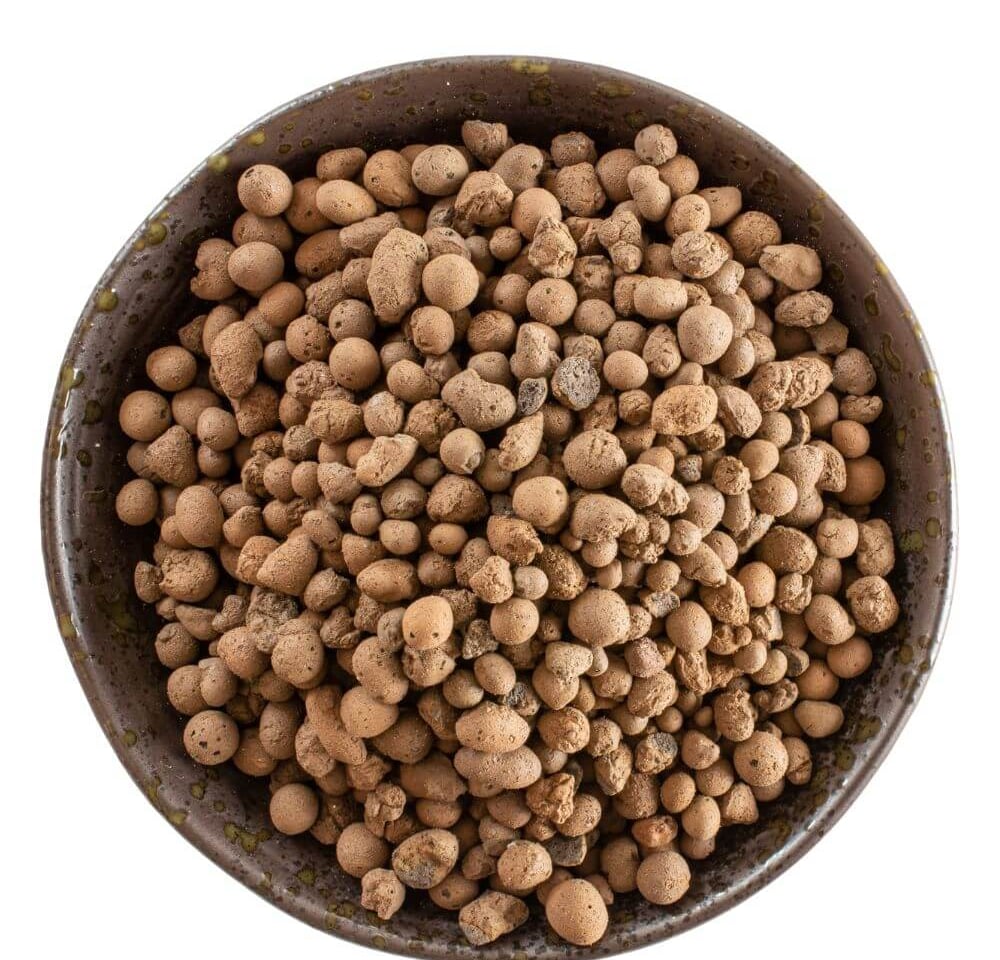
LECA stands for lightweight expanded clay aggregate. It is a growing medium made of small, porous clay balls that absorb water and release it slowly back to roots — giving plants exactly what they need, exactly when they need it.
Unlike soil, LECA does not compact, does not harbor fungus gnats, and does not stay wet in ways that suffocate roots. It creates a semi hydroponic environment where the plant controls its own water uptake instead of you trying to guess the perfect watering schedule.
The reason indoor plant owners are switching is simple. Soil is inconsistent. It dries unevenly, it compacts over time, it hides root rot until it's too late, and it demands constant monitoring. LECA removes almost all of that variability. You fill the reservoir, the plant drinks what it needs, and the roots stay oxygenated between waterings.
If you have ever killed a plant by overwatering — and most plant owners have — LECA exists specifically to solve that problem.
What Is LECA and Why Are Indoor Plant Owners Switching to It?
Why LECA Outperforms Soil for Tropical Houseplants
Soil works. But for tropical houseplants it is always working against at least one thing the plant actually needs.
Tropical plants like Monstera, Pothos, Philodendron, and Peace Lily evolved in environments with fast-draining, oxygen-rich root zones. Forest floors, cliff faces, tree bark — loose, airy, never waterlogged.
Standard potting soil mimics none of that. It compacts, it retains moisture unevenly, and it creates the exact anaerobic conditions that cause root rot.
LECA mimics the natural root environment these plants evolved in. Here is how it compares directly:
Oxygen at the roots.
LECA never compacts. The space between clay balls keeps air circulating around roots constantly. Oxygen-rich roots grow faster, resist disease, and absorb nutrients more efficiently.
Consistent moisture without saturation.
The clay balls wick water up from the reservoir and release it gradually. Roots access moisture without ever sitting in it.
No pests.
Fungus gnats breed in moist organic soil. LECA is inorganic — there is nothing for them to breed in. Switching to LECA is one of the most effective fungus gnat solutions available.
Visible root health.
In a clear container with LECA you can see your roots at all times. Root rot does not hide and spread the way it does in soil. You catch problems early and fix them fast.
Longer medium life.
LECA does not break down. Rinse it, reuse it, and it performs the same way indefinitely. No annual repotting into fresh soil. No degrading mix.
The plants that respond best are the ones most people struggle with most in soil. That is not a coincidence.

LECA is not a universal upgrade — it is the right upgrade for the right plants. Before you make the switch, here is how to assess whether your plant is a good candidate.
LECA works best when:
Your plant has been struggling with overwatering or root rot in soil
You want a lower-maintenance watering routine
Your plant is a tropical aroid, epiphyte, or moisture-sensitive species
You are propagating cuttings and want faster, cleaner root development
You want to monitor root health without disturbing the plant
The best candidates for LECA:
Monstera, Pothos, Philodendron, Peace Lily, Anthurium, Orchids, Snake Plants, and most aroids transition well and often thrive better in LECA than in soil long term.
Think twice before switching if:
Your plant is already root bound and severely stressed — stabilize it in soil first
You are growing succulents, cacti, or drought-tolerant plants — LECA retains more residual moisture than these plants prefer
You are not ready to commit to a regular fertilizer routine — LECA has zero nutrients and feeding is non-negotiable
LECA rewards consistency. If you can maintain a simple reservoir-check-and-feed routine, it will outperform soil for most tropical houseplants every time.
Is LECA Right for Your Plant? Here's Exactly How to Know

How LECA Eliminates the Overwatering Problem for Good
Overwatering is the number one way people kill houseplants. And the reason it happens is almost never too much water — it is water with nowhere to go.
In soil, water pools around roots when the soil compacts or drains poorly. Roots sit in saturation, oxygen gets cut off, and rot sets in. You cannot always see it happening until the plant is already in distress.
LECA works differently at a structural level. The clay balls sit in a container with a reservoir of water at the bottom — never touching the root zone directly. The porous surface of each ball wicks moisture upward and releases it slowly. Roots grow toward the moisture gradient, take what they need, and stay surrounded by air the rest of the time.
The result is a system where overwatering becomes nearly impossible. You are not pouring water onto roots. You are maintaining a reservoir that the plant draws from on its own schedule.
The passive watering cycle in LECA:
Reservoir sits below the root zone
Clay balls wick moisture upward through capillary action
Roots access moisture at the boundary between wet and dry zones
The root zone above stays aerated and oxygenated
You refill the reservoir when it empties — typically every 7 to 14 days
This is why plant owners who have struggled with overwatering for years suddenly find success in LECA. The system removes human error from the equation almost entirely.
This simple system will help you stay consistent and prevent overwatering and other plant care mistakes.
LECA is not right for every plant. Moving the wrong plant into a semi hydro setup wastes time, stresses the plant, and can cause more damage than leaving it in soil. Know this list before you switch anything.
Skip LECA for these plants:
Succulents and cacti.
These plants evolved in near-desert conditions. They need their root zone to go completely dry between waterings. Even the residual moisture that LECA retains is too much and will cause rot over time.
Drought-tolerant plants.
ZZ plants, Snake Plants in their resting phase, and other low-water species can work in LECA but require very careful reservoir management. Beginners should keep these in well-draining soil.
Plants mid-crisis.
If a plant is severely root-bound, pest-infested, or already showing advanced root rot, transitioning to LECA adds stress on top of stress. Stabilize first. Transition once the plant is healthy.
Outdoor or garden plants.
LECA is designed for controlled indoor environments. Outdoor variables like rain, temperature swings, and wind change the moisture dynamics entirely.
The honest rule: If the plant thrives in fast-draining, moisture-retentive tropical conditions — LECA is likely an upgrade. If it prefers dry, gritty, or inorganic desert conditions — stay in soil.
Plants That Hate LECA — Don't Make This Expensive Mistake
LECA for Houseplants: Setup, Watering, and Semi-Hydro Basics
LECA (Lightweight Expanded Clay Aggregate) is a semi-hydro growing method that replaces traditional soil with clay pellets and a controlled water reservoir. It allows roots to access moisture through capillary action while maintaining high oxygen levels around the root system.
This system works especially well for Alocasias, Hoyas, Philodendrons, and transitioning water-propagated plants.
Basic LECA Setup Recipe:
100% Rinsed, Soaked LECA Clay Pellets (irregular size preferred for airflow)
Optional additions:
Thin layer of activated charcoal at base
Diluted Hydroponic Nutrient Solution (¼ to ½ strength)
Preparation Steps
Soak pellets in clean water for 12–24 hours before use.
Place a small layer of LECA at the bottom of a pot with drainage holes.
Position plant roots in center.
Fill around roots with LECA up to just below crown level.
Add a water reservoir so the bottom ¼–⅓ of pellets sit in nutrient solution.
Optional: Wick-Assisted LECA Setup
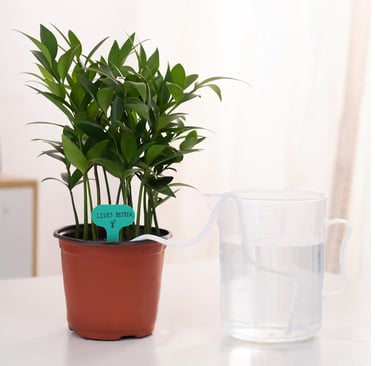
Thread a self-watering wick through the bottom of the pot into the reservoir
Ensure the wick sits in the water source below the LECA layer
Fill with LECA as usual and position the plant
Keep the reservoir filled so the wick can continuously draw moisture upward
Roots should not sit fully submerged. Moisture travels upward through capillary action.
Go deeper on LECA-and get the right mixes for all of your other houseplants.
A wick system makes LECA setups more consistent and easier to maintain.
LECA Setup Tools That Make the System Work
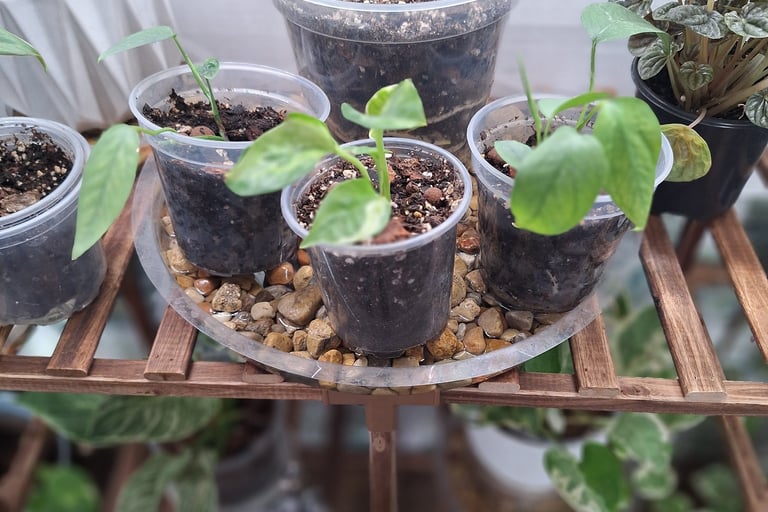
Clear Nursery Pots
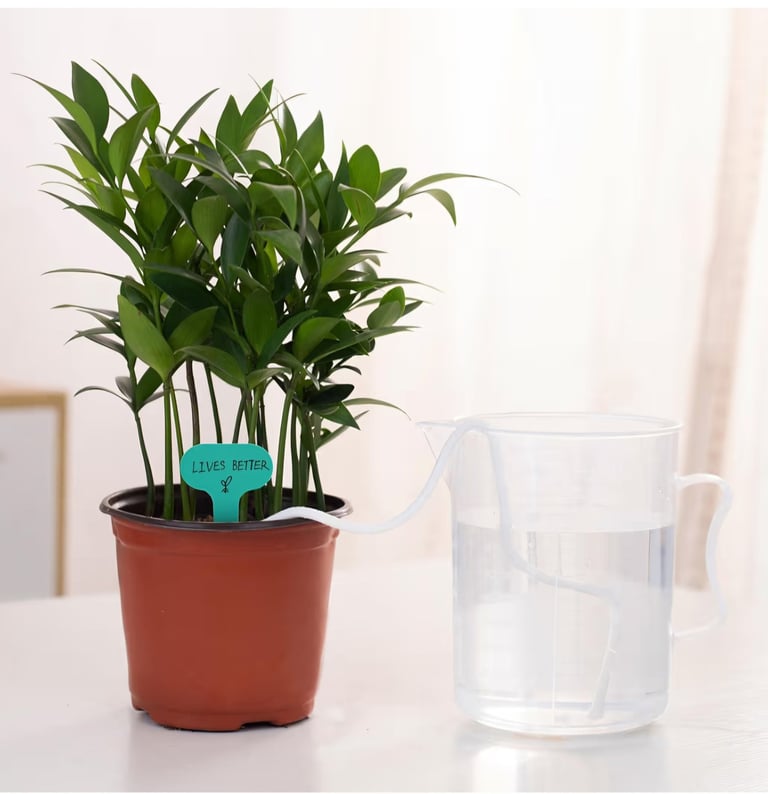
Self-Watering Wicks
LECA works best when the setup is consistent. These tools support proper airflow, water control, and root visibility so the system actually performs the way it should.
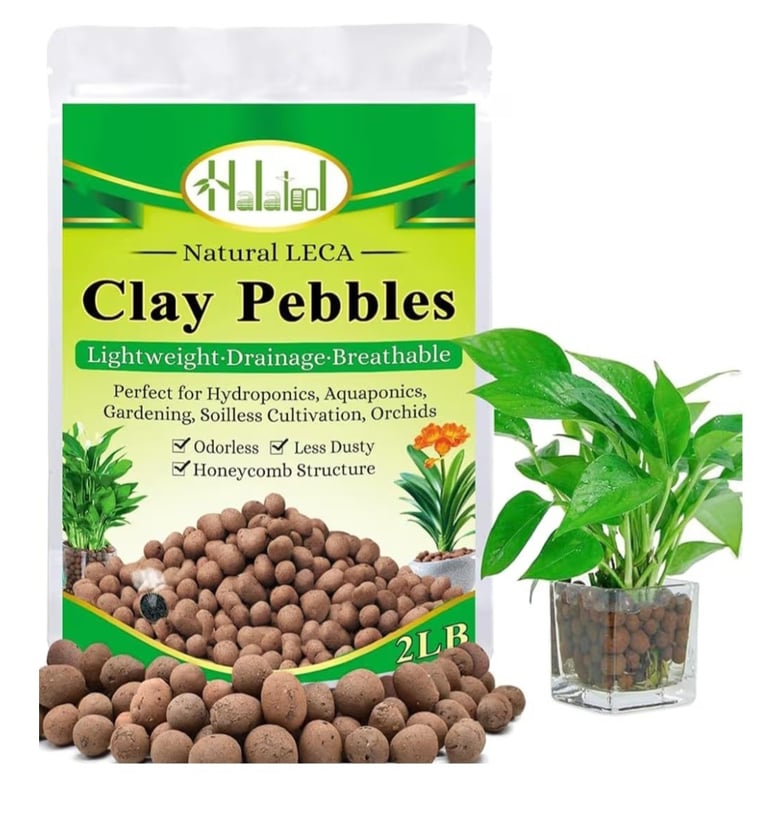
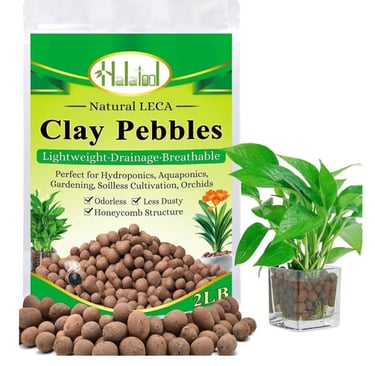
LECA clay pebbles are the foundation of any semi-hydro setup. Their porous structure absorbs water while maintaining constant airflow around the roots, preventing compaction and reducing the risk of root rot
Self-watering wicks improve moisture consistency by pulling water from the reservoir directly into the LECA. This creates a more stable environment and reduces the risk of dry zones or uneven hydration.
LECA Clay Pebbles
Clear nursery pots make it easy to monitor root health, water levels, and early signs of rot or buildup. In LECA setups, visibility gives you control and helps you adjust before problems escalate.

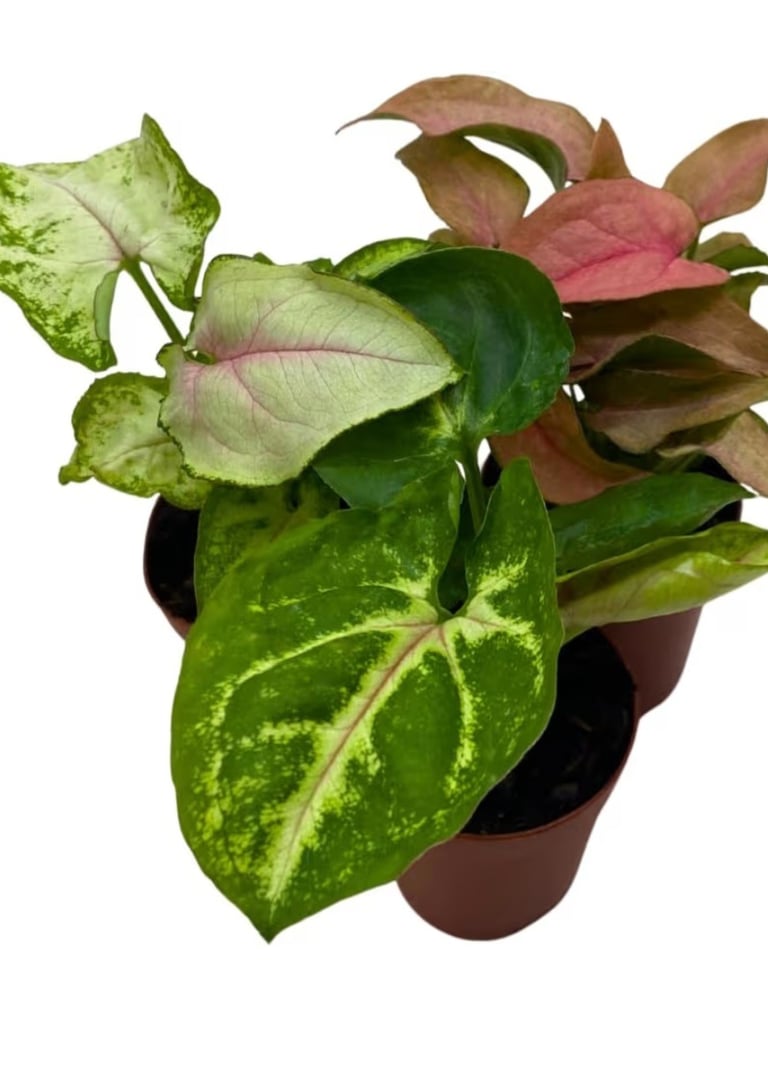
Arrowhead plant (Syngonium podophyllum)
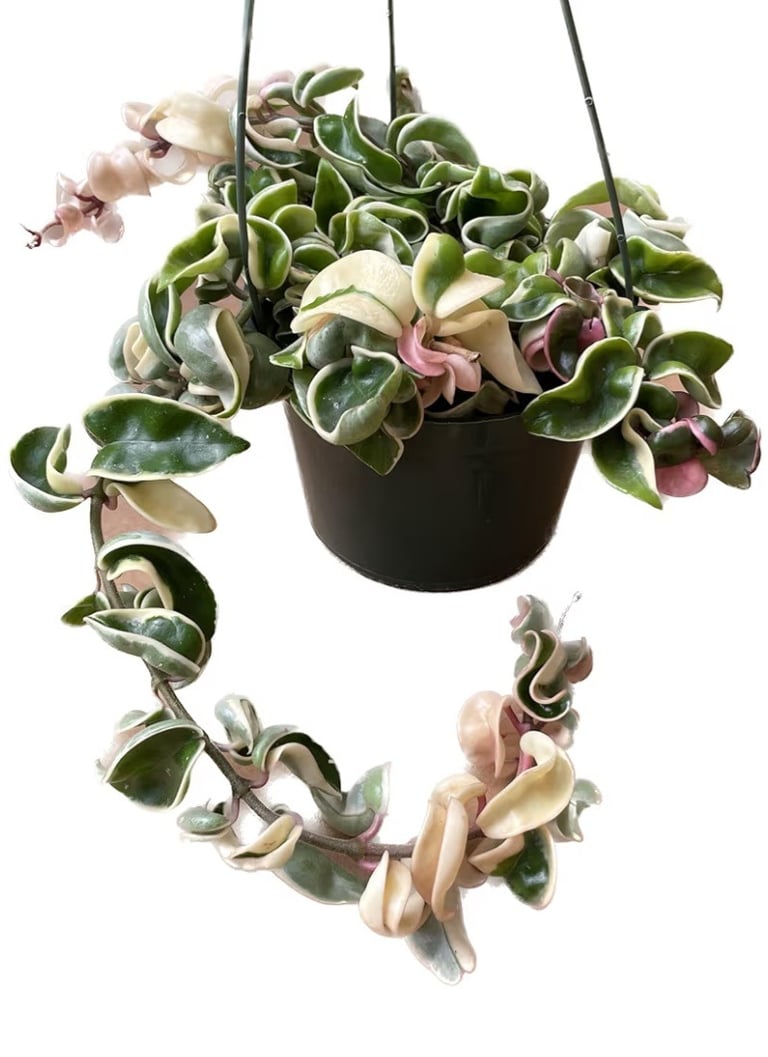
Hoya Carnosa
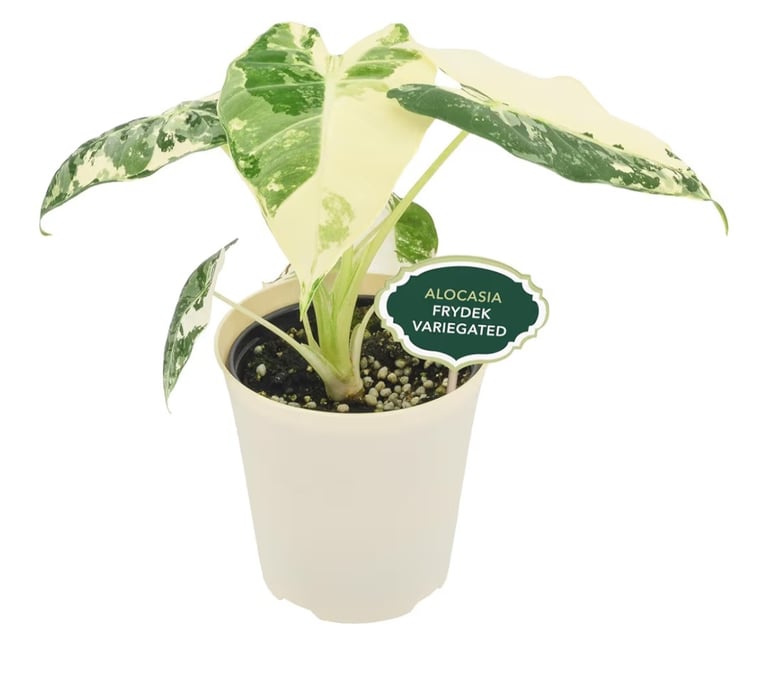
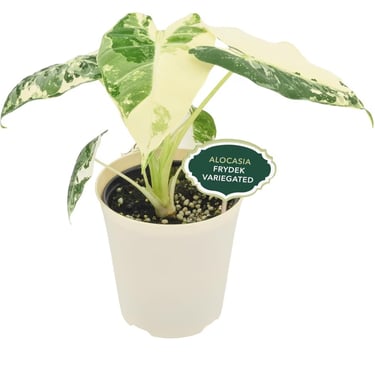
Alocasia Frydek
Best Plants for a LECA Semi-Hydro Setup
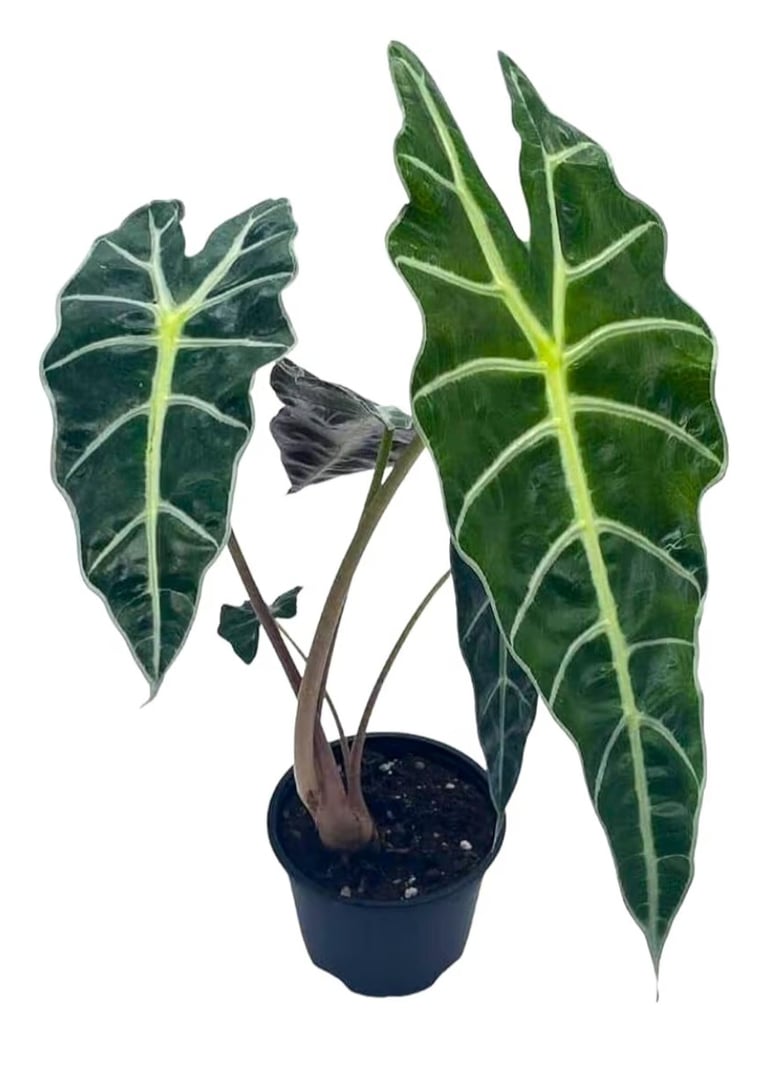
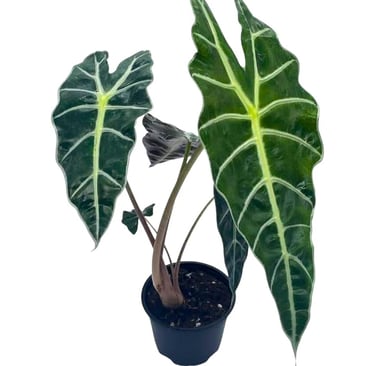
Alocasia Polly benefits from LECA because it provides consistent moisture without waterlogging the roots. The added airflow helps prevent rot while supporting healthy, steady growth for this more sensitive plant.
Not every plant makes the leap to LECA successfully — but the ones that do tend to thrive harder than they ever did in soil. These are the plants that adapt fastest, root most aggressively, and show the most dramatic improvement when moved into a semi hydro setup.
Top performers in LECA:
Pothos, Monstera Deliciosa, Philodendron Brasil, Philodendron Heartleaf, Anthurium, Peace Lily, Orchids (especially Phalaenopsis), Aglaonema, Tradescantia, Hoya, and most aroids as a category.
These plants share the same trait — they want consistent moisture access with strong aeration at the root zone. LECA delivers exactly that, and these species respond with faster growth, stronger root systems, and fewer problems than they produce in soil.
Alocasia Polly
.Alocasia Frydek thrives in LECA when given stable moisture and humidity. The semi-hydro setup improves root aeration, helping reduce the risk of root rot while encouraging strong root development.
Hoya carnosa adapts well to LECA because it prefers airflow around its roots and doesn’t tolerate dense, wet soil. LECA helps maintain a balance of moisture and aeration, supporting healthy growth.
Syngonium transitions easily to LECA due to its adaptable root system. It benefits from consistent moisture and improved airflow, which can lead to faster growth and fewer watering issues.
The Real Reason LECA Semi Hydro Works (And Soil Can't Compete)
Most explanations of why LECA works stop at "it drains better." That undersells what is actually happening at the root level — and why the results are so dramatically different from even the best chunky soil mix.
It comes down to three things working together simultaneously:
The moisture gradient. In LECA with a reservoir, roots grow toward the water line and stop there naturally. The upper root zone stays dry and oxygenated. The lower root zone accesses moisture on demand. This gradient is something soil cannot replicate — in soil, moisture distribution is inconsistent and
dependent entirely on how you water.
Nutrient delivery precision. In soil, nutrients bind to organic particles and release unpredictably. In LECA, nutrients are dissolved directly in the reservoir water. Every time the plant draws moisture up through the clay, it draws nutrients with it. Delivery is consistent, measurable, and controllable.
Root zone oxygen. LECA never compacts. The air gaps between clay balls remain constant regardless of how long the setup has been running. Permanent aeration means roots never experience the oxygen deprivation that causes rot in dense or degraded soil.
These three factors combine to create a root environment that is more stable, more predictable, and more aligned with how tropical plants naturally grow than any soil-based medium can offer. The plant is not just surviving the conditions — it is growing in conditions close to what it evolved for.
Start with top-performing LECA and other essential ingredients for your plant care needs.

LECA is low maintenance but not zero maintenance. When something goes wrong it shows up fast — and the fix is almost always simple if you catch it early.
Sign 1: Roots turning brown or slimy.
Brown slimy roots in LECA almost always mean the reservoir level is too high and roots are sitting in standing water instead of accessing it from below. Drop the water level so it sits at least an inch below the base of the root ball. Trim any damaged roots before adjusting.
Sign 2: White crusty buildup on the clay balls.
This is salt accumulation from fertilizer. It blocks moisture wicking and can burn roots over time. Flush the entire setup with clean pH-balanced water, run it through several times, and reduce your fertilizer concentration going forward.
Sign 3: Algae growing in the reservoir.
Green algae means light is reaching the water. Switch to an opaque container or wrap the outside of your current container to block light from the reservoir. Algae itself will not kill the plant but it competes for nutrients and oxygen.
Sign 4: Slow or stalled growth despite good light.
Usually a fertilizer issue. LECA has zero nutrients — if you are not feeding consistently the plant has nothing to grow with. Check your feeding schedule and make sure you are using a hydroponic-specific fertilizer at the right concentration.
Sign 5: Leaves yellowing from the bottom up.
Combined with slow growth this typically signals nitrogen deficiency. Increase fertilizer frequency slightly and ensure the reservoir never fully dries out for extended periods.
Sign 6: The clay balls smell bad.
A foul smell from LECA means bacterial buildup. Remove the plant, rinse the roots carefully, soak the LECA in diluted hydrogen peroxide solution, rinse thoroughly, and rebuild the setup fresh.
Most LECA problems are reservoir management or fertilizer issues. The fix takes ten minutes. The key is checking your setup weekly so nothing escalates.
Signs Your LECA Setup Is Failing — And How to Fix It Fast
Get the Step-by-step guide to quickly diagnose and treat your plants.

The Most Costly LECA Mistakes Beginners Make
LECA has a learning curve. These are the mistakes that set people back the most — and the ones that give LECA an undeserved reputation for being difficult.
Mistake 1: Not rinsing LECA before use.
Fresh LECA is coated in clay dust that clouds the water and clogs the wicking action. Rinse thoroughly until the water runs clear before the first use. Some growers also pre-soak for 24 hours to fully saturate the clay.
Mistake 2: Setting the reservoir too high.
The water level should sit below the base of the root ball — not touching it. Roots need to grow down toward the water, not sit in it. A reservoir that is too high recreates the exact overwatering conditions LECA is supposed to eliminate.
Mistake 3: Using regular soil fertilizer.
Soil fertilizers are designed to bind to organic particles and release slowly. In LECA there are no organic particles. The nutrients stay concentrated in the water and can burn roots at soil-recommended doses. Use a hydroponic-specific fertilizer and start at half strength.
Mistake 4: Transitioning a plant that is not ready.
Soil roots and LECA roots are structurally different. A plant pulled from soil needs its roots rinsed completely clean before going into LECA. Any soil left on the roots will decompose in the reservoir, cause bacterial growth, and undo the clean environment LECA creates.
Mistake 5: Using an opaque container and never checking roots.
One of LECA's biggest advantages is root visibility. If you cannot see the roots you cannot catch problems early. Use a clear or semi-transparent container, at least as the inner pot.
Mistake 6: Giving up during the transition period.
Plants transitioning from soil to LECA often look rough for two to four weeks while they develop new water-seeking roots. This is normal. Do not add more fertilizer or change the setup during this period — just maintain the reservoir and let the plant adjust.
Get your plant care under control.
How to Fertilize Plants in LECA Without Destroying Your Roots
Fertilizer in LECA is not optional. The clay balls contain zero nutrients — every bit of nutrition your plant gets comes from what you add to the reservoir. Get this right and your plants grow fast and clean. Get it wrong and you burn roots or starve the plant slowly.
Use hydroponic fertilizer, not soil fertilizer.
This is the most important rule. Hydroponic fertilizers are formulated to dissolve completely in water and deliver nutrients in a form roots can absorb directly. Soil fertilizers are not — they are designed to bind to organic matter and release slowly. In LECA they sit concentrated in the water and damage roots.
Start at half strength.
Even with hydroponic fertilizer, start at half the recommended dose. LECA roots are in direct contact with the nutrient solution in a way soil roots never are. Full strength doses are too aggressive until you know how your specific plant responds.
Feed every time you refill the reservoir.
Do not alternate between plain water and fertilizer water the way some soil growers do. In LECA, every refill should contain fertilizer at your working concentration. Consistency is what drives steady growth.
Flush monthly.
Once a month, refill the reservoir with plain pH-balanced water only and let the plant draw it down fully before resuming fertilizer. This flushes accumulated salts from the clay and prevents the white crust buildup that blocks wicking.
Target pH of 5.5 to 6.5.
LECA setups perform best when the reservoir water sits in a slightly acidic range. At this pH nutrients stay soluble and available at the root zone. pH outside this range causes nutrient lockout — the fertilizer is present but the roots cannot absorb it. A basic pH meter and pH adjustment drops are a worthwhile investment for any serious LECA grower.
Signs you are feeding correctly:
Deep green healthy foliage, consistent new leaf production during the growing season, clean white or light-colored roots visible through the container, and a clear or very slightly tinted reservoir with no strong odor.
Take the guesswork out of feeding your plants.
Support healthy growth with the right fertilizer approach for your setup.

LECA & Semi-Hydro Frequently Asked Questions for Indoor Plants
Q1. What is LECA and how does it work for indoor plants?
LECA stands for lightweight expanded clay aggregate. It is a porous clay ball medium that absorbs water from a reservoir and releases it slowly to plant roots. Unlike soil, LECA never compacts, creates constant oxygen at the root zone, and eliminates the guesswork of watering by letting the plant take up only what it needs.
Q2. What plants grow best in LECA semi hydro setups?
Monstera, Pothos, Philodendron, Anthurium, Peace Lily, Hoya, Orchids, Aglaonema, and Tradescantia all perform exceptionally well in LECA. These are tropical plants that evolved in loose, oxygen-rich environments — conditions LECA naturally replicates. Succulents, cacti, and drought-tolerant plants are not good candidates.
Q3. How do I transition a plant from soil to LECA?
Remove the plant from its pot and rinse every trace of soil from the roots under lukewarm water. Trim any brown or mushy roots. Place the clean root ball into your LECA setup with the reservoir sitting below the root base. Expect a two to four week adjustment period while the plant develops new water-seeking roots. Do not over-fertilize during this window.
Q4. Do I need special fertilizer for LECA?
Yes. LECA contains zero nutrients so feeding is essential. Use a hydroponic-specific liquid fertilizer — not standard soil fertilizer. Hydroponic formulas dissolve completely in water and deliver nutrients directly to roots. Use at half the recommended strength and feed every time you refill the reservoir.
Q5. How often do I add water to a LECA setup?
Most LECA setups need a reservoir refill every 7 to 14 days depending on plant size, pot size, and environment. Check the reservoir weekly. Refill when it drops to the bottom quarter. Never let it dry out completely and never let it rise high enough to touch the root ball directly.
Q6. Can LECA cause root rot?
Yes, if the reservoir level is set too high. Root rot in LECA happens when roots sit in standing water instead of drawing moisture from below. Keep the water level at least one inch below the base of the root ball. The roots grow down toward the water — they should never be submerged in it.
Q7. What is the difference between LECA and semi hydro?
LECA is the medium — the clay balls themselves. Semi hydro is the growing method — using an inorganic medium like LECA in a passive reservoir system where the plant controls its own water uptake. All LECA setups for houseplants are semi hydro. Not all semi hydro uses LECA, but LECA is by far the most popular medium for it.
Q8. Do I need to clean LECA before using it?
Yes, always. Fresh LECA is coated in clay dust that clouds the reservoir water and reduces wicking efficiency. Rinse thoroughly under running water until the water runs completely clear. Many growers also pre-soak for 24 hours to fully saturate the clay before potting.
Q9. Why are my plant's roots brown in LECA?
Brown roots in LECA typically mean one of three things — the reservoir is too high and roots are sitting in water, there is salt buildup from over-fertilizing, or there is bacterial growth from decomposing soil left on the roots during transition. Check the water level first. If roots are slimy rather than just brown, do a full clean and reset of the setup.
Q10. Is LECA worth it compared to soil for Monstera and Philodendron?
For most growers, yes. Monstera and Philodendron in LECA consistently produce faster growth, larger leaves, stronger root systems, and fewer pest problems than the same plants in soil. The upfront learning curve is real but short. Once the setup is dialed in it requires significantly less intervention than soil and delivers noticeably better results.

Your soil mix is probably the problem


most potting mixes straight from the bag aren't cutting it. grab the free recipe guide and see exactly what your plants actually need.
Create a Reliable Indoor Plant Care Foundation
If your plant care feels inconsistent, your soil is often the starting point.
A balanced indoor soil mix gives you a stable foundation so watering becomes easier, roots stay healthy, and plants grow more predictably.
Instead of constantly adjusting your care routine, start with a mix that works with your environment.
Fix your plant setup + stay consistent →
Build a reliable plant system
Not sure what mix is right for you?
Ready to build your full plant setup?
Most of my favorite things ship for free with a Prime membership. If you haven't tried it, there's a free trial available here.