
Best Chunky Aroid Soil Mix for Monstera, Philodendron, and Alocasia
Valerie
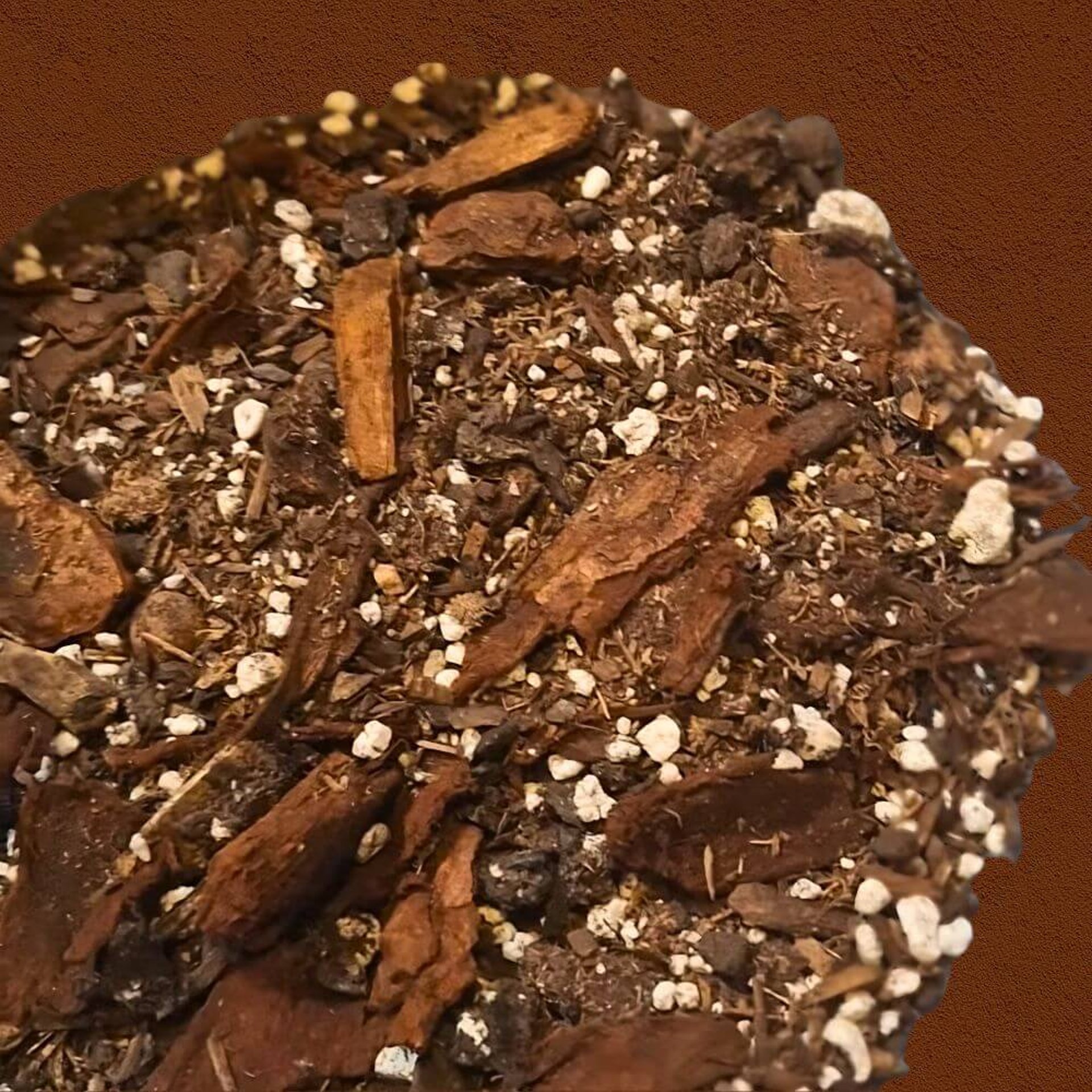
DIY Chunky Aroid Soil Mix Recipe for Monsteras, Philodendrons & Alocasias
Climbing tropical plants like Monstera, Philodendron, and many Alocasia species require a chunky, well-aerated soil mix that mimics the loose forest floor conditions of their natural habitat.
This chunky aroid soil recipe is designed to maximize drainage, oxygen flow, and root expansion while still maintaining balanced moisture retention.
Recommended Ratio:
30% Orchid Bark
25% Pumice or Horticultural Perlite
20% Buffered Coco Coir
15% High-Quality Potting Soil
5% Activated Charcoal
5% Worm Castings
This ratio creates large air pockets, structural stability, and moderate nutrient availability without compacting over time.
Get the exact ingredients used in this soil and more.
Which Aroids Thrive in Chunky Soil Mix (And Which Don't)
This mix is ideal for plants that produce aerial roots and benefit from moss pole support.
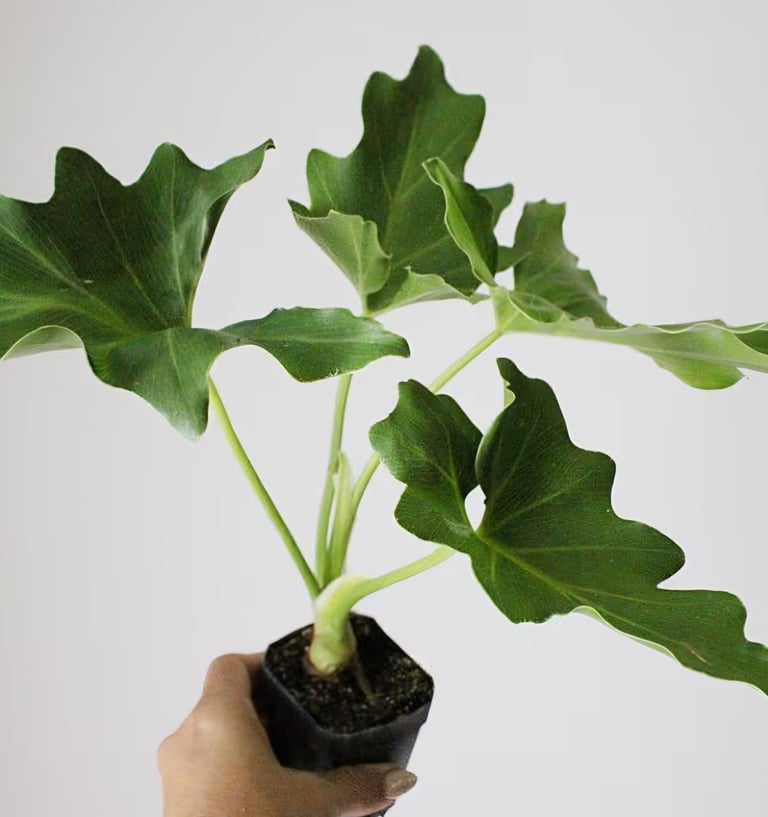
Philodendron Selloum ‘Hope’
Monstera Deliciosa
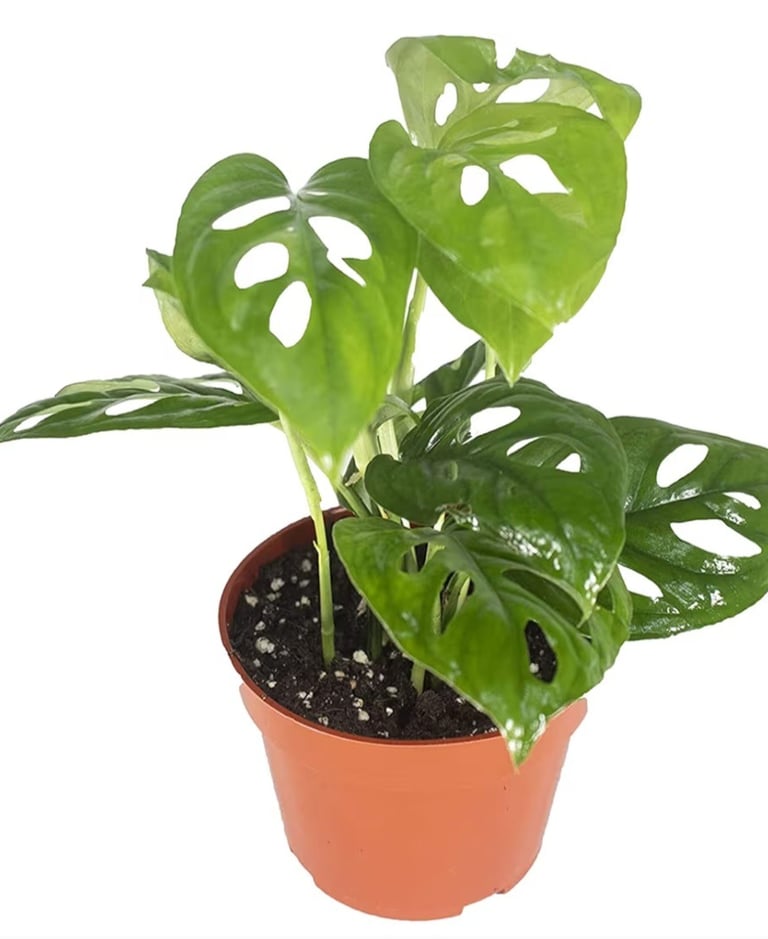
Monstera Adansonii
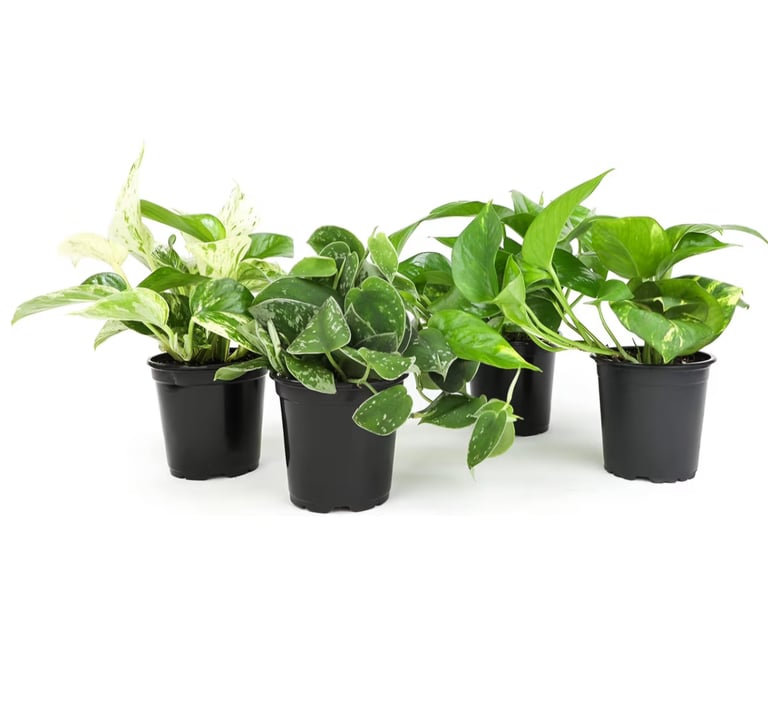
Climbing Pothos
Alocasia Regal Shield
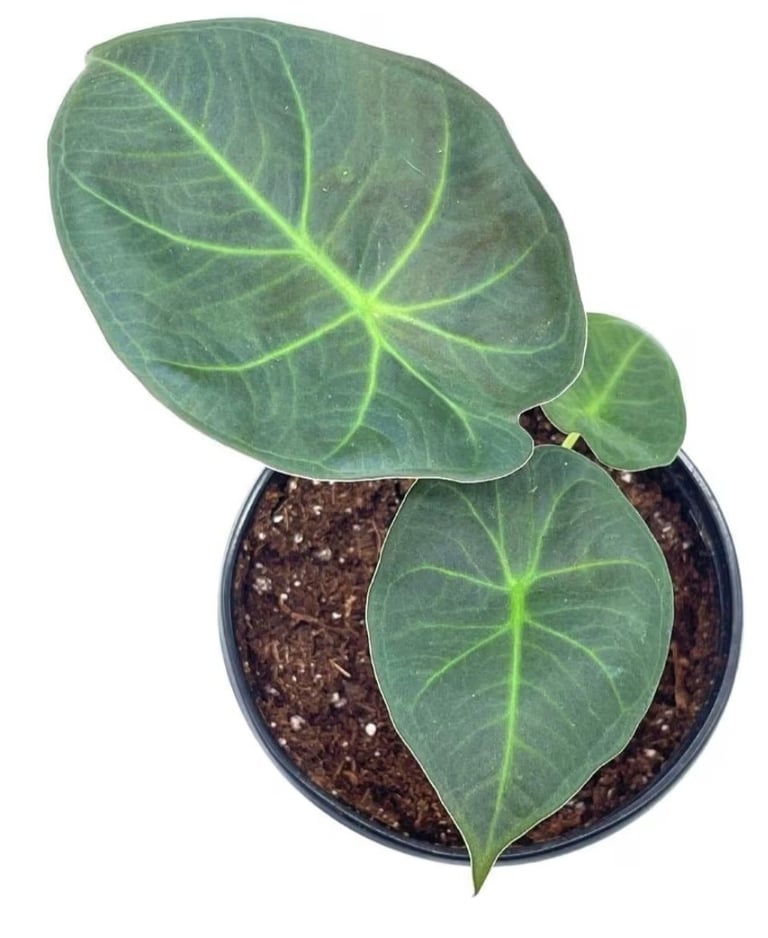
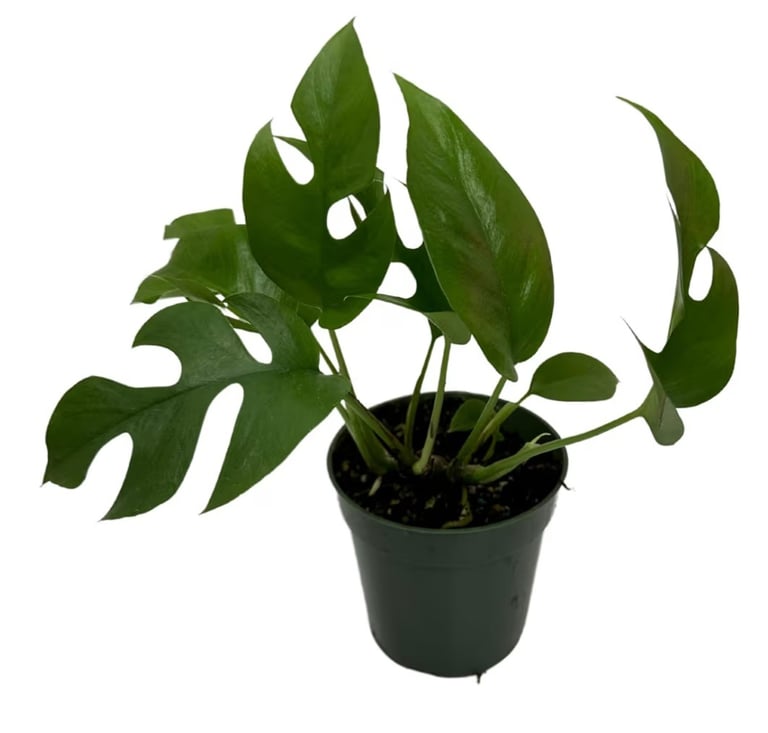
Rhaphidophora Tetrasperma (Mini Monstera)
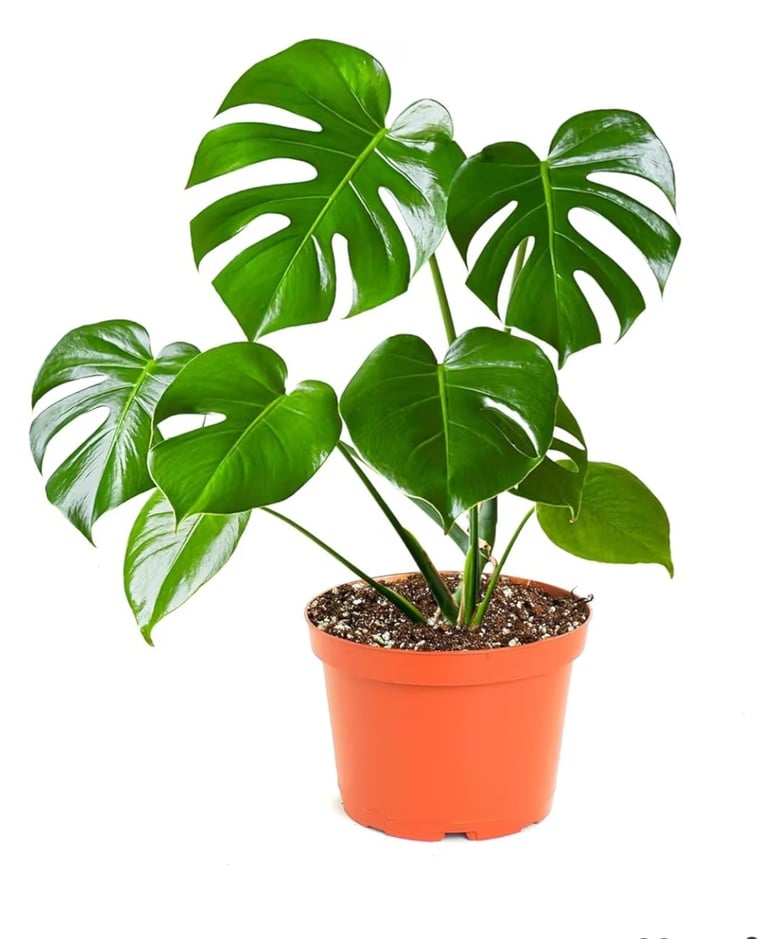
Chunky aroid mix was built for roots that need air as much as water. Monstera, Philodendron, and Alocasia are the obvious winners — but Pothos, Rhaphidophora, and Hoya also explode in a well-built chunky blend. If it grows in a tree canopy or jungle floor in the wild, it belongs in chunky mix.
Not every plant is a match. Succulents, cacti, and drought-tolerant plants need an even drier, grittier medium — chunky aroid mix still retains too much moisture for them. Peace lilies and ferns prefer a finer, more moisture-consistent soil. Using chunky mix on the wrong plant causes the same problems it solves: stressed roots, poor growth, decline.
Thrives in a chunky, aerated soil mix because its thick roots need airflow and fast drainage to prevent rot while still retaining enough moisture to support large leaf growth.
Benefits from a light, chunky mix that mimics its natural climbing environment, allowing roots to breathe while preventing soggy soil that can quickly lead to root rot.
Needs a chunky, aerated mix to support its fast-growing root system, ensuring proper drainage and preventing heavy soil from suffocating roots or holding excess water.
Does best in a loose, well-draining mix that reduces the risk of overwatering, allowing its adaptable roots to grow quickly without sitting in compacted, wet soil.
Requires excellent drainage and airflow due to its sensitivity to overwatering—chunky soil helps prevent root rot while maintaining the consistent moisture it prefers.
Thrives in a chunky mix that provides strong aeration and drainage, supporting rapid root growth while preventing the soggy conditions that can stunt development.


Here are some of the best indoor plants that thrive in a chunky, aerated indoor soil mix:
Looking for something else?
Always install moss poles and support systems during repotting to prevent root disturbance later. Allow the soil to settle naturally after watering — never compact it down.
Pro Tip
Most plant owners repot when roots escape the drainage holes. By then, the damage is already done.
Aroid soil mix breaks down over time. Bark chunks decompose, perlite sinks, and what started as a loose, oxygen-rich medium turns into a dense, compacted block that suffocates roots and holds moisture in all the wrong ways. Your Monstera, Philodendron, or Alocasia does not stop growing because of the pot — it stops growing because of the soil.
Repot or refresh your aroid mix when you see any of these:
Soil stays wet longer than 7 days after watering
The mix no longer feels loose or springy when pressed
Roots are circling the bottom or pushing out of drainage holes
You notice a musty or sour smell from the pot
Growth has stalled for a full growing season with no clear cause
It has been 12 to 18 months since the last repot
How often should you refresh aroid soil mix?
Every 12 to 18 months is the standard. Fast growers like Monstera Deliciosa and Philodendron Brasil may need it sooner. Slower growers like Alocasia can stretch to 18 months if the mix still drains and smells clean.
Refresh vs. Full Repot — What is the difference?
A refresh means replacing the top layer of soil without disturbing the root ball. A full repot means removing the plant, trimming dead roots, and rebuilding the mix from scratch. If the soil smells or the roots look brown and mushy — full repot. If the mix just looks tired — refresh first and see how the plant responds.
Your Aroid Soil Mix Has an Expiration Date — Here's When to Act
Orchid bark provides structure and airflow for thick aroid roots.
Pumice and/or perlite prevents compaction and improves drainage.
Buffered coco coir maintains moisture without becoming waterlogged.
Potting soil adds microbial activity and base nutrients.
Activated charcoal help absorb excess impurities in the soil.
Worm castings provide gentle, slow-release nutrition.
The result is a soil system that dries evenly, resists compaction, and supports aggressive root growth.
The Science Behind Chunky Aroid Soil Mix
Why Chunky Aroid Soil Mix Outperforms Every Standard Potting Mix
Standard potting soil was designed for the average houseplant. Monstera, Philodendron, and Alocasia are not average houseplants.
In their natural habitat aroids grow as epiphytes and hemi-epiphytes — clinging to trees, climbing through bark and leaf litter, sending roots into environments that are loose, fast-draining, and flooded with oxygen. Their root systems evolved to breathe. Dense moisture-holding soil does not just underperform for aroids — it actively works against them.
What chunky aroid soil mix does that standard mix cannot:
Oxygen at the root zone.
The large air pockets created by orchid bark and chunky perlite keep oxygen circulating directly around the roots. Oxygen-rich roots absorb nutrients faster, resist rot, and push new growth harder.
Drainage without dry-out.
The mix drains excess water immediately while coco coir holds just enough residual moisture to keep roots hydrated between waterings. No wet feet. No bone-dry stress.
Structural support for climbing roots.
Monstera and Philodendron produce thick aerial root systems that need something to anchor into. Chunky mix provides grip and structure that fine-particle soil cannot.
Longer soil life.
Coarse materials break down slower than standard potting mix, meaning your soil stays effective for 12 to 18 months rather than compacting within a season.
Rot prevention built in.
Horticultural charcoal in a quality chunky mix neutralizes bacteria and prevents the anaerobic conditions that cause root rot. Standard soil has no equivalent protection.
The results are not subtle. Aroids moved from standard potting mix into a quality chunky blend consistently show faster leaf production, larger fenestrations on Monstera, deeper color on Philodendron, and stronger overall growth within one growing season. This is not a trend. It is biology.

Chunky Aroid Soil Mix vs. Regular Potting Soil: There's No Comparison
If you’ve ever wondered why your plant isn’t thriving in standard potting soil, the answer usually comes down to drainage and airflow.
Chunky Aroid Soil Mix
Designed specifically for aroids like Monstera and Philodendron
Contains orchid bark, perlite, and other chunky materials
Promotes airflow around roots
Drains quickly to prevent root rot
Mimics natural growing conditions
Regular Potting Soil
Dense and moisture-retentive
Can compact over time
Holds excess water around roots
Increases risk of root rot indoors
The key difference:
Chunky aroid soil supports living, breathing roots. Regular potting soil often suffocates them.
If your goal is faster growth, healthier roots, and larger leaves, a chunky aroid mix is the better long-term investment.
There’s also something subtle here—when your soil allows space, your plant responds. Growth isn’t forced… it’s supported.
Understand exactly what goes into each mix and why it matters for your plants.

Best Pre-Made Aroid Soil Mixes
Yes, you can absolutely buy pre-made aroid soil—and for many plant owners, it’s the easiest way to get started.
Pre-made chunky aroid soil mixes are designed to include:
Orchid bark
Perlite or pumice
Coco coir or peat
Sometimes added nutrients or charcoal
These mixes are convenient, but quality can vary.
What to look for in a good pre-made aroid soil:
Visible chunky texture (not fine or compacted)
Well-balanced drainage and moisture retention
No heavy, muddy consistency
If you’re just starting out, pre-made mixes are a great entry point. But over time, many plant owners prefer making their own mix to control ratios and adjust for their environment.
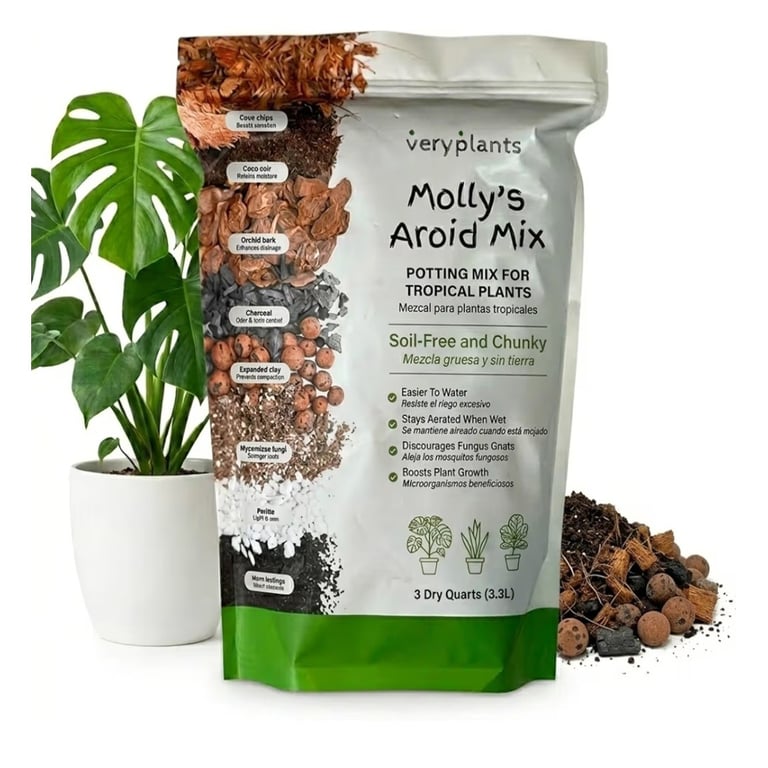
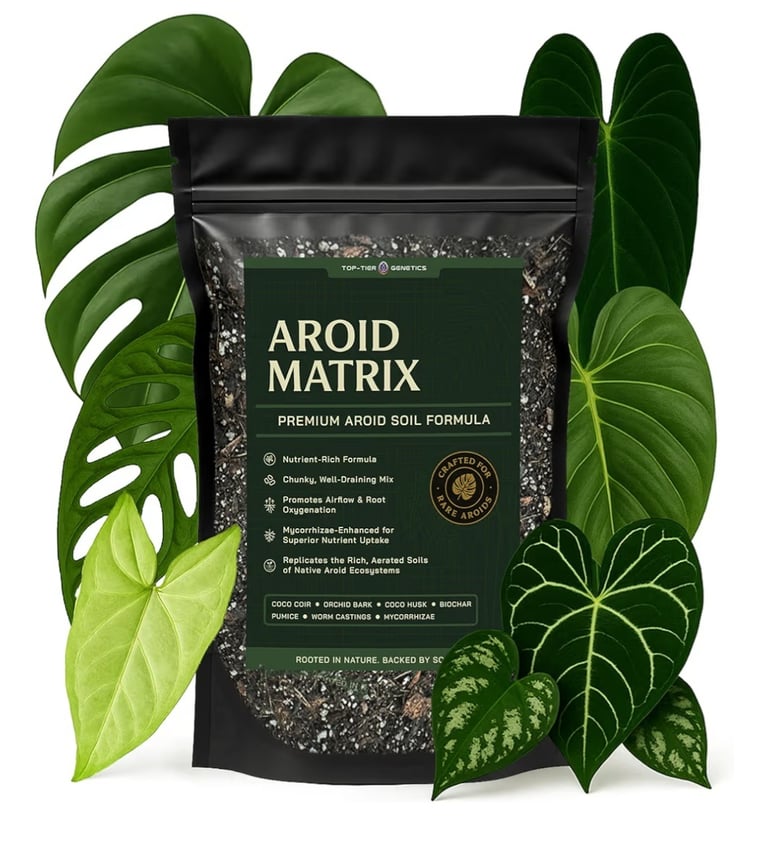
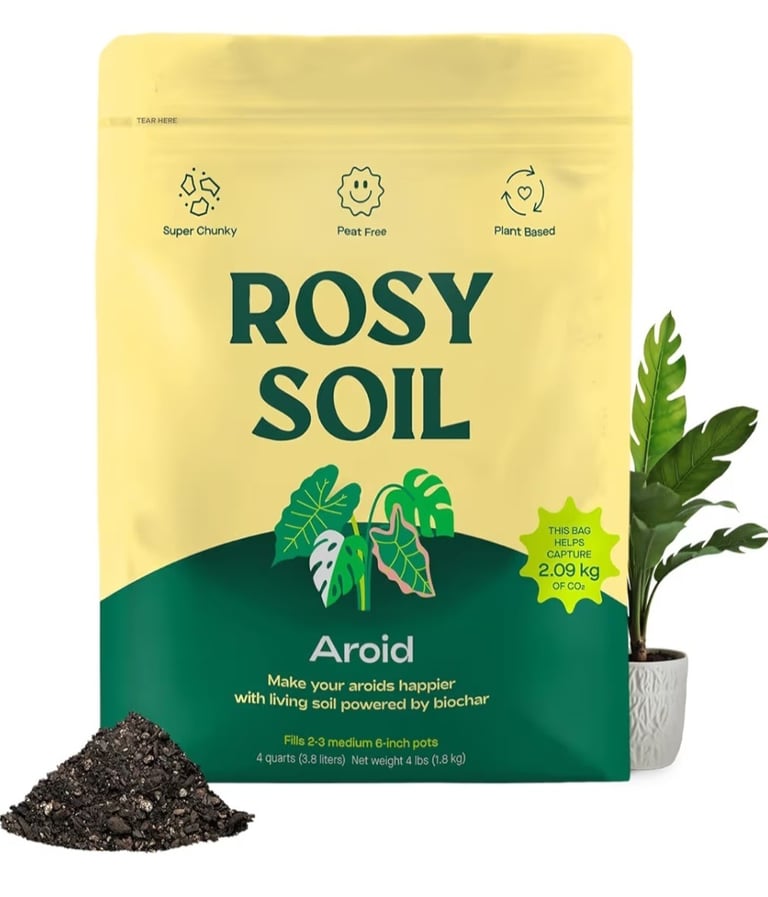
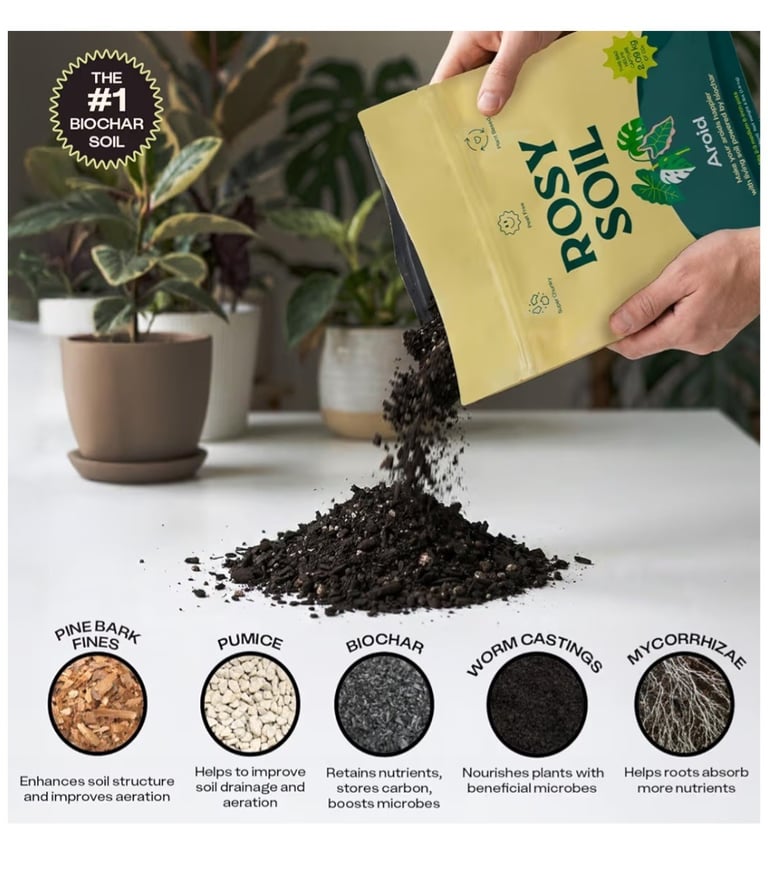
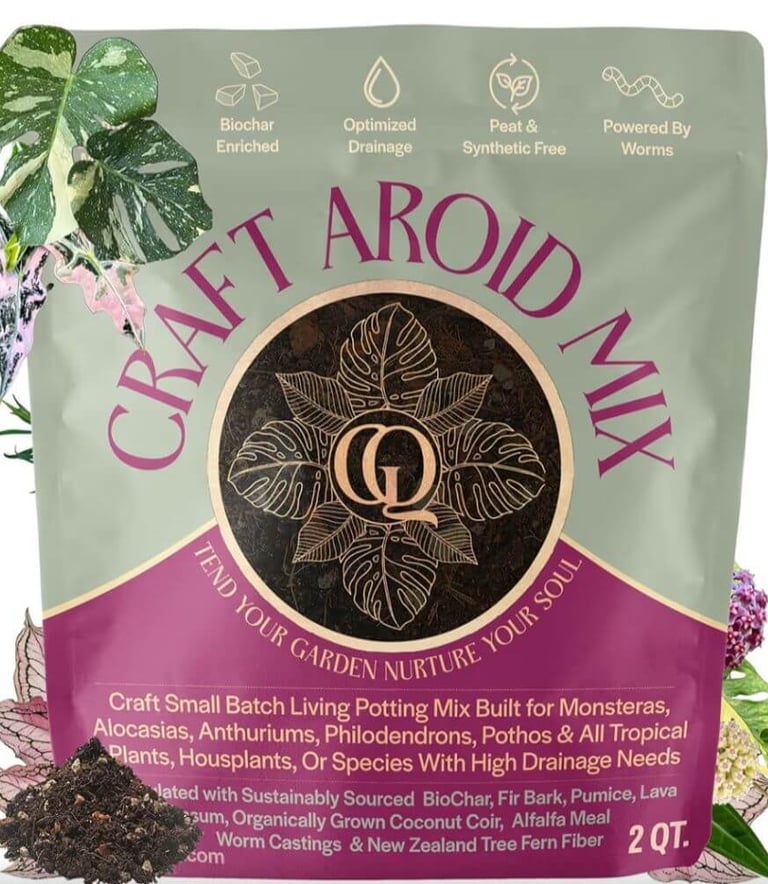
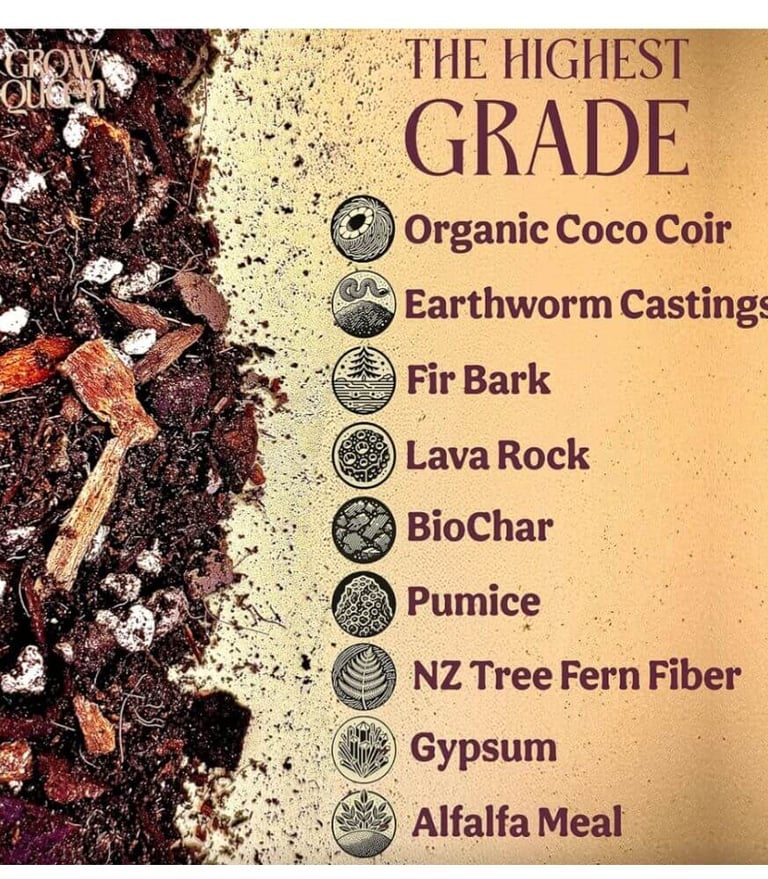
A high-quality, peat-free aroid mix designed for strong drainage and long-term root health.
This blend uses chunky components and biochar to improve aeration while supporting beneficial microbial activity, making it a great option for indoor plants like monstera, philodendron, and alocasia. Ideal if you want a ready-to-use mix that balances airflow, moisture retention, and sustainability without compacting over time.
A chunky, well-aerated aroid soil mix formulated to support fast root growth and prevent compaction.
Made with ingredients like orchid bark, coco husk, pumice, and biochar, this blend provides excellent drainage while still retaining enough moisture for healthy indoor plants.
A solid choice for those who want a balanced, ready-to-use mix that promotes both root development and overall plant growth.
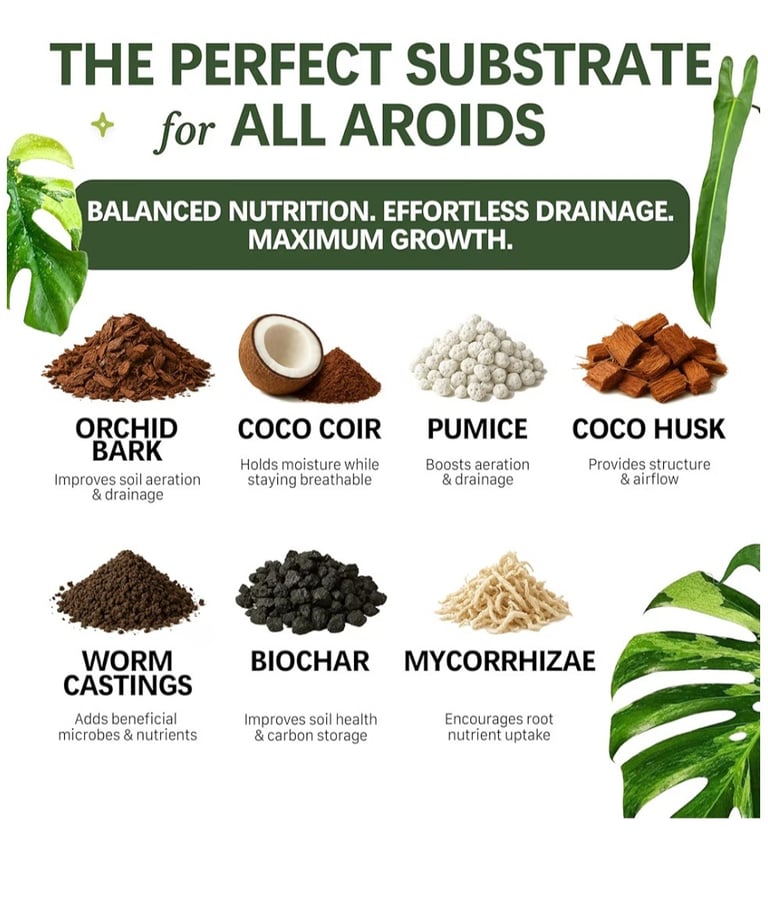
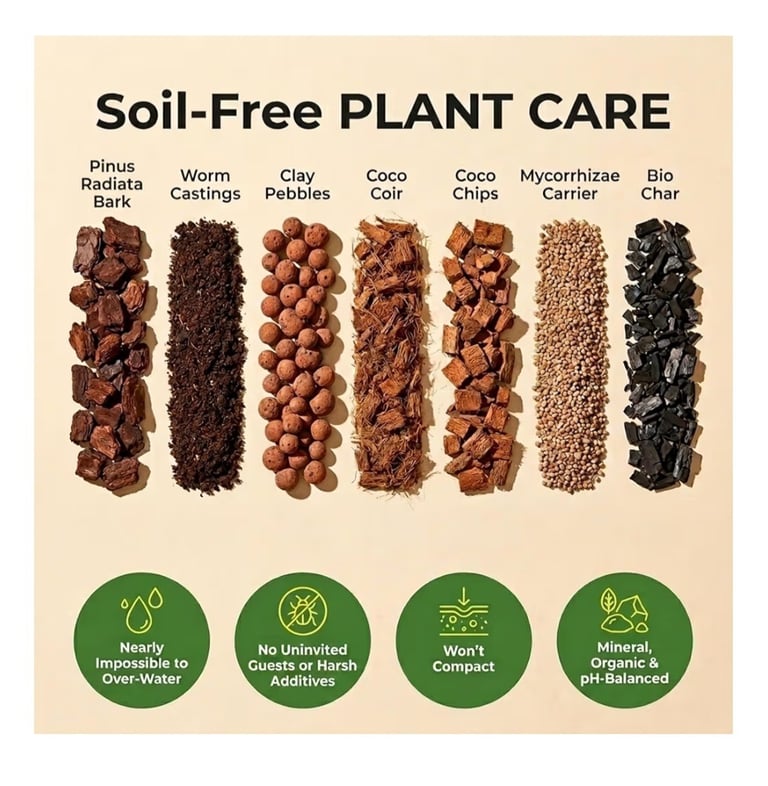
A premium soilless aroid mix designed for maximum airflow, drainage, and root health.
This chunky blend combines orchid bark, coco chips, worm castings, and mycorrhizae to support strong root growth while reducing the risk of overwatering and root rot.
Because it’s 100% soilless, it’s also less likely to attract fungus gnats, making it a cleaner option for indoor plant care.
Ready to use straight out of the bag, it’s ideal for plant owners who want a low-maintenance, high-performance mix without mixing their own ingredients.
A pre-made chunky aroid soil mix designed for plants that need strong drainage and airflow.
This blend combines bark, perlite, and organic materials to prevent root rot while supporting healthy root development. Ideal for monstera, philodendron, and alocasia, it delivers the structure and aeration these plants need to grow larger and stronger without staying waterlogged.
Not sure which mix is right for your plant? Understanding the ingredients makes all
Rosy Soil Aroid Mix
Craft Aroid Potting Mix
Molly's Aroid Mix
Aroid Matrix Mix

Plants do not send calendar reminders. They send distress signals — and most plant owners misread them as watering problems or light problems when the real issue is the soil.
Sign 1: Yellowing leaves that do not respond to watering adjustments.
You have cut back on water and the leaves are still yellowing. The problem is not how much you water — it is that compacted soil stays saturated at the root level regardless. Waterlogged roots cannot absorb nutrients even when nutrients are present.
Sign 2: Soil that stays wet for more than a week.
In a healthy chunky mix, soil dries within 4 to 7 days. If it is still wet after a week, the mix has broken down and is a direct root rot risk.
Sign 3: Roots escaping from the bottom of the pot.
Roots exit drainage holes when they are searching for oxygen they cannot find inside the pot. This is not just a size issue — it is a soil quality issue.
Sign 4: A musty or sour smell from the soil.
Healthy aroid mix smells earthy and neutral. A sour or rotten smell means anaerobic bacterial activity — the same bacteria responsible for root rot. Repot immediately.
Sign 5: Stunted or zero new growth during growing season.
Monstera, Philodendron, and Alocasia are vigorous growers from spring through early fall. No new leaf in 6 to 8 weeks during peak season despite good light and watering means the root system is struggling.
Sign 6: Soil pulling away from the edges of the pot.
When soil shrinks from the pot walls, water channels down the gap instead of absorbing through the mix. Your roots are getting far less water than you think.
What to do:
Remove the plant. Examine the roots. Trim anything brown, black, or mushy. Repot into fresh chunky aroid mix. Water thoroughly and place in bright indirect light while it recovers. The faster you act, the faster your plant bounces back.
Your Soil Mix Is Killing Your Plant — 6 Signs You Need to Repot Now
Fix your soil before it kills your plant.
Soil issues can escalate fast-here's how to get your plant back on track.
How to Fertilize Aroids in Chunky Mix Without Burning Your Roots
Chunky aroid mix gives your plants the structure and drainage they need to grow fast. Fertilizer gives them the fuel. Get this combination right and your Monstera, Philodendron, and Alocasia will grow faster than you thought possible indoors.
Why aroids in chunky mix need more frequent feeding.
Chunky mix contains little to no slow-release fertilizer. Its fast drainage means nutrients flush through quickly. This prevents salt buildup and keeps roots clean — but it means you need to feed consistently throughout the growing season.
NPK ratio:
Look for a balanced formula with roughly a 3-1-2 ratio. Nitrogen drives the large dramatic foliage aroids are known for. Potassium supports root strength and disease resistance.
Frequency:
Every 2 to 4 weeks during active growth from spring through early fall. Stop fertilizing in winter when growth slows.
Strength:
Use liquid fertilizer at half the recommended dose. Chunky mix roots are exposed to nutrients more directly than roots in dense soil — full strength doses risk tip burn and root damage.
Application:
Always fertilize into moist soil, never dry. Applying fertilizer to dry roots concentrates the solution and dramatically increases burn risk.
Flush monthly:
Once a month water heavily without fertilizer to flush accumulated salts. This keeps the root zone clean and prevents buildup that blocks nutrient absorption.
Signs you are over-fertilizing:
Brown crispy leaf tips.
White crust on the soil surface or pot rim.
Scorched leaf edges.
If you see these flush the soil immediately and cut back your feeding schedule.
Signs you are under-fertilizing:
Pale or yellowing new leaves despite healthy roots and good light.
Slow growth during growing season.
Smaller new leaves than the plant has previously produced.
The goal is consistent low-dose feeding that keeps nutrients available without overwhelming the root system. Aroids in chunky mix fed correctly are among the fastest growing houseplants you can keep indoors.
Take the Guesswork out of feeding and keep your plants growing larger, faster, and stroinger.
See how fertilizer changes based on your soil type and your plant set up.

Frequently Asked Questions About Aroid Soil Mix
Q1. What is chunky aroid soil mix and why do Monstera, Philodendron, and Alocasia need it?
Chunky aroid soil mix is a coarse, fast-draining blend designed to mimic the loose, oxygen-rich forest floor conditions aroids grow in naturally. Monstera, Philodendron, and Alocasia all have thick, fleshy roots that rot quickly in dense, moisture-retaining potting soil. A chunky mix prevents root rot, boosts oxygen to the root zone, and drives the explosive growth these plants are capable of.
Q2. What ingredients are in the best chunky soil mix for aroids?
The best chunky aroid soil mix combines orchid bark for structure and airflow, perlite for drainage, coco coir or coco chips for moisture balance, horticultural charcoal to prevent bacterial buildup, and optional worm castings for a slow-release nutrient base. This combination gives Monstera, Philodendron, and Alocasia roots the drainage, aeration, and anchor they need to thrive.
Q3. Can I use regular potting soil for Monstera, Philodendron, or Alocasia?
You can, but you will likely see slow growth, yellowing leaves, and eventual root rot. Standard potting soil compacts over time and holds far too much moisture for aroids. If you are using regular potting soil, amend it heavily with perlite and bark at a minimum. For best results and fastest growth, a purpose-built chunky aroid mix is worth the upgrade.
Q4. How often should I water Monstera, Philodendron, or Alocasia in chunky soil mix?
Chunky aroid mix dries out faster than standard soil, so check moisture every 3 to 5 days rather than watering on a fixed schedule. Water thoroughly when the top 2 inches are dry. Always water until it drains freely from the bottom. Never let aroids sit in standing water, even in a chunky mix.
Q5. Does chunky aroid soil mix need fertilizer?
Yes. Chunky mixes drain so efficiently that nutrients flush out quickly. Feed with a balanced liquid fertilizer at half strength every two to four weeks during the growing season. Look for an NPK ratio around 3-1-2, which supports both foliage growth and root development. Skip fertilizing in winter when growth slows.
Q6. Is chunky mix better in terracotta pots or plastic pots?
Terracotta pots pair extremely well with chunky aroid mix because the porous walls pull additional moisture away from the roots, accelerating drying between waterings. This combination gives Monstera, Philodendron, and Alocasia the ideal root environment. Plastic pots retain moisture longer, which can work in drier climates or for plants that prefer slightly more consistent hydration.
Q7. What are the signs my Monstera, Philodendron, or Alocasia needs to be repotted into chunky mix?
Key signs include yellowing leaves with no overwatering explanation, roots circling the bottom of the pot or escaping drainage holes, soil staying wet for more than a week, stunted or no new growth during the growing season, and a musty smell from the soil. Any of these are signals that your plant needs a fresh chunky mix repot immediately.
Q8. Can I use the same chunky mix for Monstera, Philodendron, and Alocasia?
Yes. All three are aroids with similar root systems and moisture preferences, so the same chunky mix works across all of them. Alocasia tends to appreciate slightly more moisture retention, so you can add a touch more coco coir to mixes used specifically for Alocasia if needed.
Q9. Should I buy a pre-made chunky aroid soil mix or make my own?
Both work. Making your own gives you full control over the ratio and is cost-effective if you pot multiple plants. Buying a pre-made aroid mix saves time and removes the guesswork — ideal if you are new to aroids or want consistent results immediately. Look for mixes that list orchid bark, perlite, and coco coir as primary ingredients.
Q10. How do I transition my Monstera or Philodendron from regular soil to chunky mix?
Remove the plant from its pot and gently shake or rinse away as much of the old soil as possible from the roots. Trim any brown, mushy, or dead roots before repotting. Place in fresh chunky aroid mix, water thoroughly, and keep out of direct sun for one to two weeks while the root system adjusts. Expect a short adjustment period before new growth resumes.
Your soil mix is probably the problem


most potting mixes straight from the bag aren't cutting it. grab the free recipe guide and see exactly what your plants actually need.
Create a Reliable Indoor Plant Care Foundation
If your plant care feels inconsistent, your soil is often the starting point.
A balanced indoor soil mix gives you a stable foundation so watering becomes easier, roots stay healthy, and plants grow more predictably.
Instead of constantly adjusting your care routine, start with a mix that works with your environment.
Fix your plant setup + stay consistent →
Build a reliable plant system
Not sure what mix is right for you?
Ready to build your full plant setup?
Most of my favorite things ship for free with a Prime membership. If you haven't tried it, there's a free trial available here.