DIY Indoor Plant Soil Mix Guide: Chunky Aroid, Succulent & Everyday Houseplant Recipes
Learn how to make the best DIY indoor plant soil mixes for aroids, succulents, cacti, pothos, and peace lilies. This easy soil guide covers drainage, ingredients, fertilizer tips, and signs your soil needs improvement so your houseplants stay healthy and thriving.
PLANT CARE
Valerie
2/18/202641 min read


This ultimate guide to DIY indoor plant soil recipes will help you build healthier roots, prevent root rot, and grow stronger, more resilient houseplants. Learn how to customize soil mixes for everything from pothos and monsteras, to alocasias and succulents using science-backed, drainage-focused techniques. Whether you need a chunky aroid blend or fast-draining cactus mix, this guide walks you through building thriving plants from the root system up.
As an Amazon Affiliate I may earn a small commission for the products purchased at no extra cost to you.


This ultimate guide to DIY indoor plant soil recipes will help you build healthier roots, prevent root rot, and grow stronger, more resilient houseplants. Learn how to customize soil mixes for everything from pothos and monsteras, to alocasias and succulents using science-backed, drainage-focused techniques. Whether you need a chunky aroid blend or fast-draining cactus mix, this guide walks you through building thriving plants from the root system up.
As an Amazon Affiliate I may earn a small commission for the products purchased at no extra cost to you.
Who This Guide Is For
This DIY indoor plant soil mix guide is for anyone who wants healthier roots, stronger growth, and fewer common problems like root rot, fungus gnats, and compacted soil. It’s especially helpful if you’re:
• A beginner plant owner who isn’t sure which potting soil to buy for indoor plants.
• Dealing with root rot, fungus gnats, slow growth, or constantly soggy soil.
• Repotting tropical houseplants, aroids (like Monstera and Alocasia), succulents, or cacti.
• An apartment plant parent trying to fix droopy, struggling indoor plants.
• A DIY gardener who wants simple, repeatable soil recipes that work long-term.
• An indoor plant collector aiming for stronger roots, bigger leaves, and faster, healthier growth.
If you’ve ever wondered why the same watering routine works for one plant but destroys another, your soil mix has a lot to do with it—and this guide breaks down exactly how to fix it with the right ingredients, ratios, and plant-specific recipes.
Who This Guide Is For
This DIY indoor plant soil mix guide is for anyone who wants healthier roots, stronger growth, and fewer common problems like root rot, fungus gnats, and compacted soil. It’s especially helpful if you’re:
• A beginner plant owner who isn’t sure which potting soil to buy for indoor plants.
• Dealing with root rot, fungus gnats, slow growth, or constantly soggy soil.
• Repotting tropical houseplants, aroids (like Monstera and Alocasia), succulents, or cacti.
• An apartment plant parent trying to fix droopy, struggling indoor plants.
• A DIY gardener who wants simple, repeatable soil recipes that work long-term.
• An indoor plant collector aiming for stronger roots, bigger leaves, and faster, healthier growth.
If you’ve ever wondered why the same watering routine works for one plant but destroys another, your soil mix has a lot to do with it—and this guide breaks down exactly how to fix it with the right ingredients, ratios, and plant-specific recipes.
Why Soil Mix Matters More Than You Think
Most indoor plant problems don’t start with watering—they start with the wrong soil mix.
Using dense, poorly draining potting soil can lead to root rot, fungus gnats, yellowing leaves, stalled growth, and weak root systems. Even if you water correctly, compacted soil prevents oxygen from reaching the roots, which slowly suffocates the plant over time.
Healthy roots require three things:
• Proper drainage
• Adequate aeration
• Balanced moisture retention
A well-built DIY indoor plant soil mix creates airflow pockets around the roots while still holding enough moisture and nutrients to support steady growth. Tropical plants like Monstera and Alocasia thrive in chunky, well-aerated soil blends, while succulents and cacti need fast-draining mixes that dry quickly to prevent rot.
When your soil structure matches your plant’s natural environment, everything becomes easier—watering stabilizes, pests decrease, and growth becomes stronger and more consistent.
The right soil recipe isn’t optional. It’s the foundation of long-term plant health.
Why Soil Mix Matters More Than You Think
Most indoor plant problems don’t start with watering—they start with the wrong soil mix.
Using dense, poorly draining potting soil can lead to root rot, fungus gnats, yellowing leaves, stalled growth, and weak root systems. Even if you water correctly, compacted soil prevents oxygen from reaching the roots, which slowly suffocates the plant over time.
Healthy roots require three things:
• Proper drainage
• Adequate aeration
• Balanced moisture retention
A well-built DIY indoor plant soil mix creates airflow pockets around the roots while still holding enough moisture and nutrients to support steady growth. Tropical plants like Monstera and Alocasia thrive in chunky, well-aerated soil blends, while succulents and cacti need fast-draining mixes that dry quickly to prevent rot.
When your soil structure matches your plant’s natural environment, everything becomes easier—watering stabilizes, pests decrease, and growth becomes stronger and more consistent.
The right soil recipe isn’t optional. It’s the foundation of long-term plant health.

Essential Organic Ingredients for DIY Soil Recipes
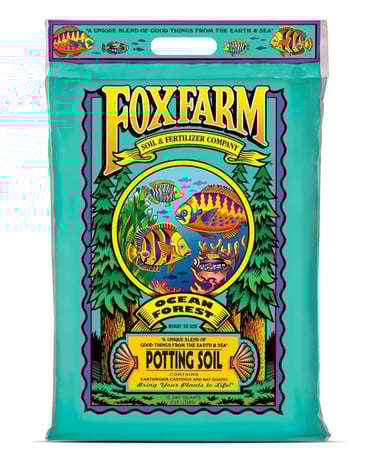
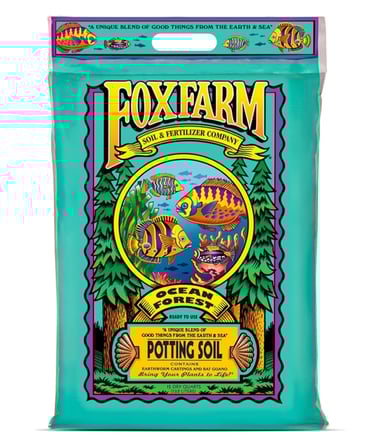
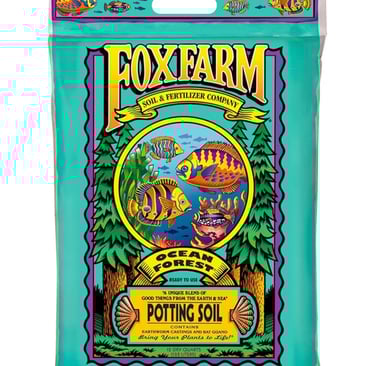
Potting Soil
(Base Layer)
Understanding what each soil ingredient does is the key to building high-performance DIY plant soil recipes. Every component plays a specific role in moisture control, aeration, nutrient availability, and long-term root health.
Below are the core organic structural ingredients used in effective indoor plant soil systems.
Provides foundational structure, moisture retention, and baseline nutrients for general indoor plant growth.
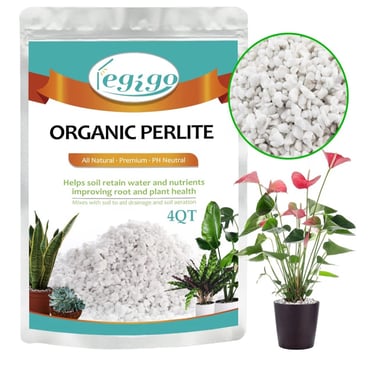
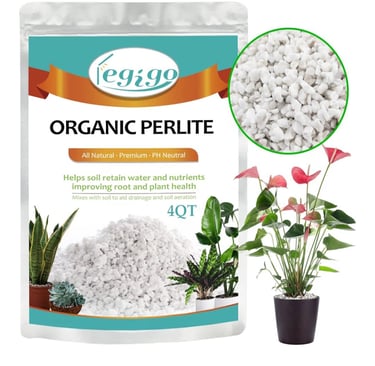
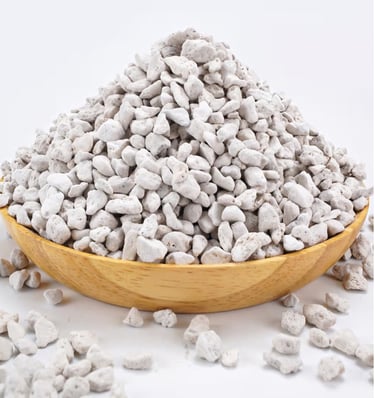
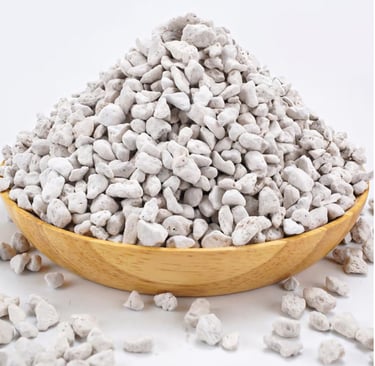
Perlite
(Horticultural Grade)
Lightweight volcanic glass that improves drainage and oxygen flow around roots.
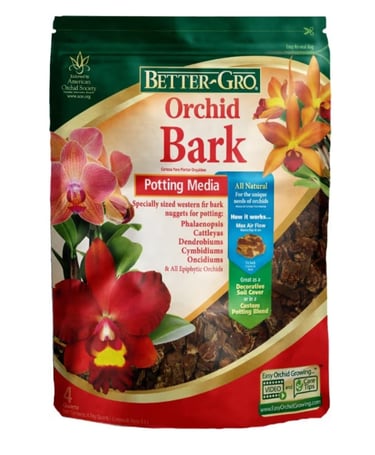
Orchid Bark
Improves rapid drainage and reduces water retention, especially important for succulent and cactus soil recipes.
Sand (Horticultural Grade)
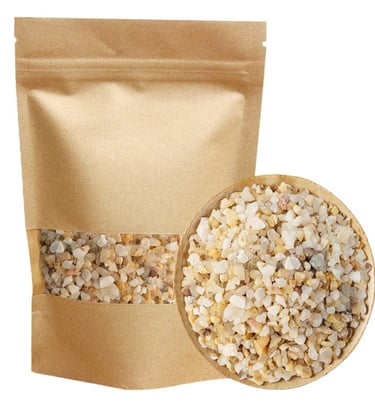
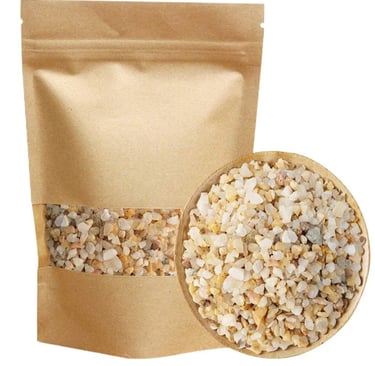
Creates chunky structure and large air pockets, ideal for aroids and tropical plants that require root airflow.
Activated Charcoal
(Horticultural Grade)
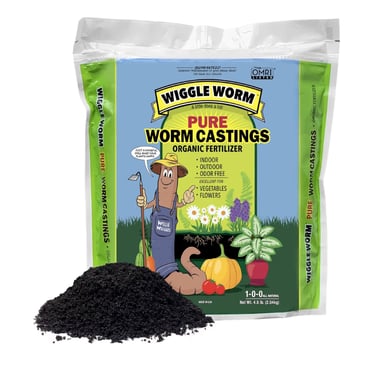
Worm Castings
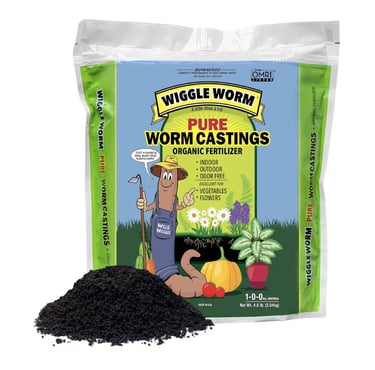
Natural organic nutrient booster that provides gentle, slow-release micronutrients without burning roots.
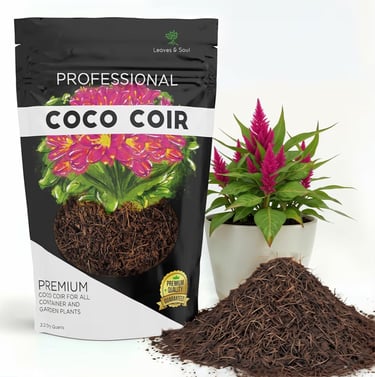
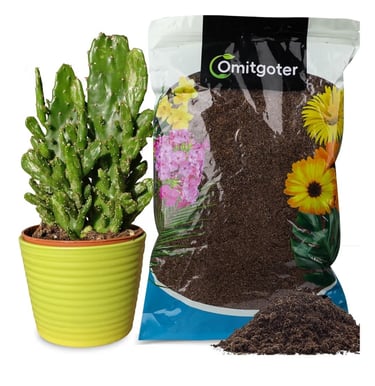
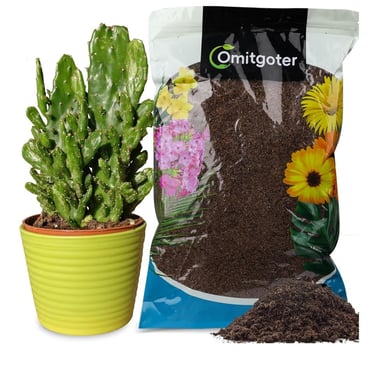
A renewable moisture-retaining base that improves texture and reduces compaction; must be pre-washed or buffered to prevent calcium and magnesium lockout.
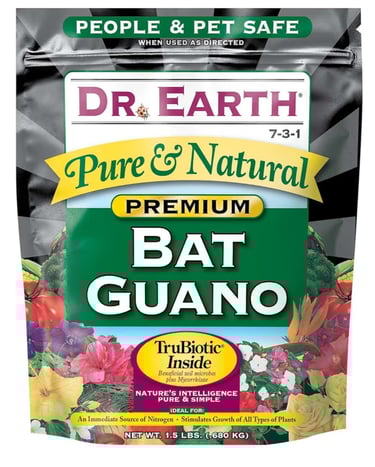
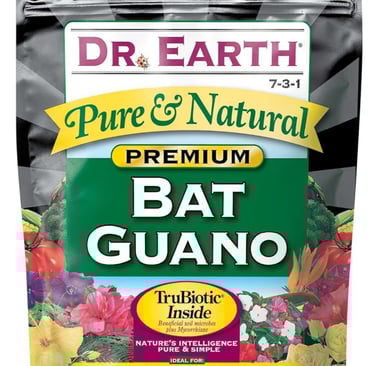
Highly concentrated organic fertilizer ingredient often brewed as a diluted tea to avoid nutrient burn in container plants.
Coco Coir (Buffered)
Bat Guano
Peat Moss
Traditional moisture-retaining base ingredient used to hold hydration, though less sustainable than coco coir.
Pumice (Horticultural Grade)
Heavier volcanic stone that enhances drainage and aeration without floating to the surface like perlite.
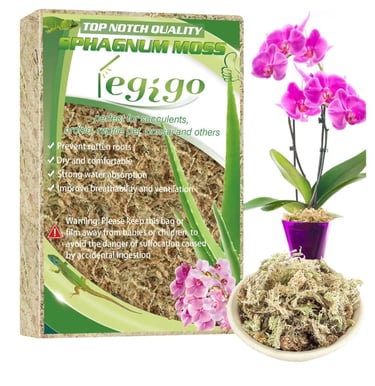
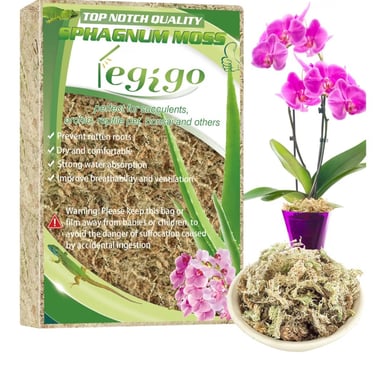
Sphagnum Moss
LECA
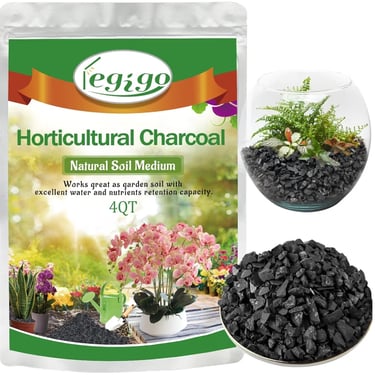
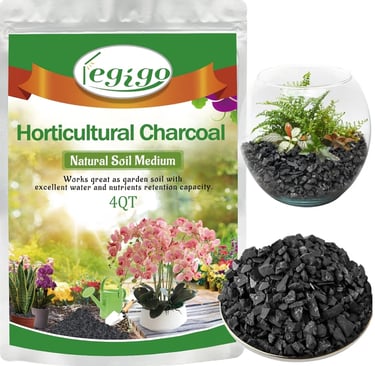

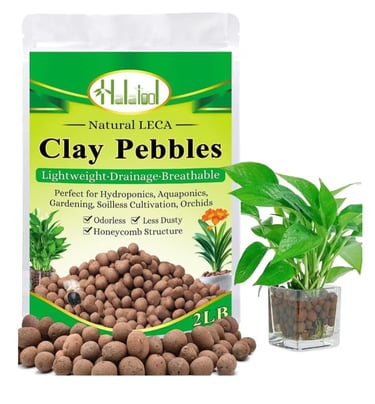
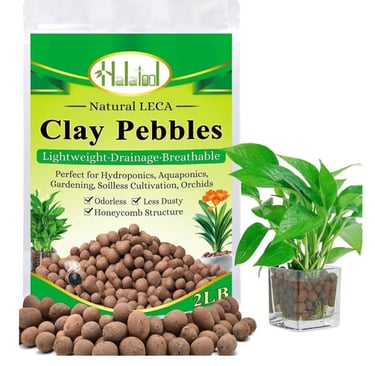
Enhances drainage while absorbing dissolved impurities and excess organic byproducts within the soil structure.
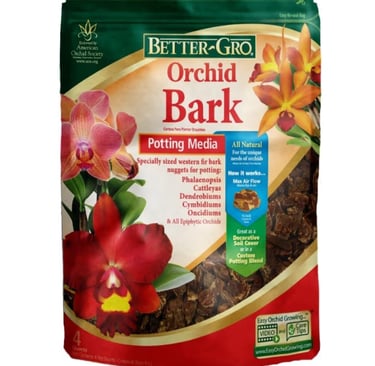
Orchid bark improves drainage and aeration by adding chunky structure to the soil.
Helps maintain consistent humidity around plant roots. It holds water while still allowing air flow when used correctly.
Essential Organic Ingredients for DIY Soil Recipes
Potting Soil (Base Layer)
Understanding what each soil ingredient does is the key to building high-performance DIY plant soil recipes. Every component plays a specific role in moisture control, aeration, nutrient availability, and long-term root health.
Below are the core organic structural ingredients used in effective indoor plant soil systems.
Provides foundational structure, moisture retention, and baseline nutrients for general indoor plant growth.
Perlite (Horticultural Grade)
Lightweight volcanic glass that improves drainage and oxygen flow around roots.
Orchid Bark
Improves rapid drainage and reduces water retention, especially important for succulent and cactus soil recipes.
Sand (Horticultural Grade)
Creates chunky structure and large air pockets, ideal for aroids and tropical plants that require root airflow.
Activated Charcoal
(Horticultural Grade)
Enhances drainage while absorbing dissolved impurities and excess organic byproducts within the soil structure.
Worm Castings
Natural organic nutrient booster that provides gentle, slow-release micronutrients without burning roots.
A renewable moisture-retaining base that improves texture and reduces compaction; must be pre-washed or buffered to prevent calcium and magnesium lockout.
Highly concentrated organic fertilizer ingredient often brewed as a diluted tea to avoid nutrient burn in container plants.
Coco Coir (Buffered)
Bat Guano
Peat Moss
Traditional moisture-retaining base ingredient used to hold hydration, though less sustainable than coco coir.
Pumice (Horticultural Grade)
Heavier volcanic stone that enhances drainage and aeration without floating to the surface like perlite.
Sphagnum Moss
Highly concentrated organic fertilizer ingredient often brewed as a diluted tea to avoid nutrient burn in container plants.
LECA
Highly concentrated organic fertilizer ingredient often brewed as a diluted tea to avoid nutrient burn in container plants.
Extra Plant Essentials: Pots, Wicks & Support Tools
A well-built DIY indoor plant soil recipe only performs as well as the container system supporting it. Drainage, airflow, moisture regulation, and structural stability all influence root health and long-term plant growth.
Below are the essential tools that complete a high-performance indoor plant setup.
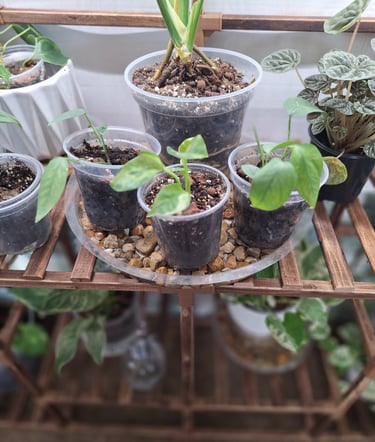
Clear Nursery Pots with Drainage Holes
Indoor plants require containers with proper drainage to prevent root rot and soil compaction. Always choose pots with drainage holes that allow excess water to escape and oxygen to circulate through the root system.
Clear nursery pots are especially helpful for monitoring:
• Soil moisture levels
• Root development
• Early signs of root rot
Using these clear inner pots is one of the simplest ways to prevent overwatering issues.
Self-Watering Wick Systems
(DIY Method)
Capillary wicks regulate moisture by drawing water from a reservoir into the soil over time. This method is ideal for tropical plants and moisture-loving species that prefer consistent hydration.
Wick thickness determines how quickly water is delivered:
Thin wicks (2–3mm): slow moisture transfer.
Medium wicks (4–6mm): moderate, balanced moisture.
Thick wicks (6–8mm+): faster water delivery.
For a DIY wick system:
Insert wick through drainage hole of a clear nursery pot.
Allow wick tail to sit in a water reservoir below the pot.
Ensure water level does not fully submerge the root ball.
Wicks are especially useful for:
• Alocasias
• Calatheas
• Carnivorous plants
• Plants in dry indoor environments
Many modern planters include built-in reservoirs and integrated wick systems. These containers automatically regulate moisture levels and reduce watering frequency.
When choosing a self-watering planter, look for:
• Removable inner pot
• Visible water level indicator
• Adjustable wick thickness
• Adequate drainage aeration
Self-watering containers are helpful for beginners and for maintaining consistent soil moisture during busy schedules.
Decorative Cache Pots
(Outer Planters)
Decorative planters without drainage holes should only be used as outer covers. Keep your plant in a functional inner drainage pot and place it inside the decorative container to maintain airflow and prevent stagnant water buildup.
This method allows you to:
• Upgrade aesthetics
• Protect surfaces
• Maintain proper drainage
Self-Watering Planters
(Built-In Systems)
Support Stakes & Root Stabilizers
Newly repotted or top-heavy plants may require structural support while roots establish. Bamboo stakes, plant ties, and support clips help prevent root disturbance and stem stress during the transition period.
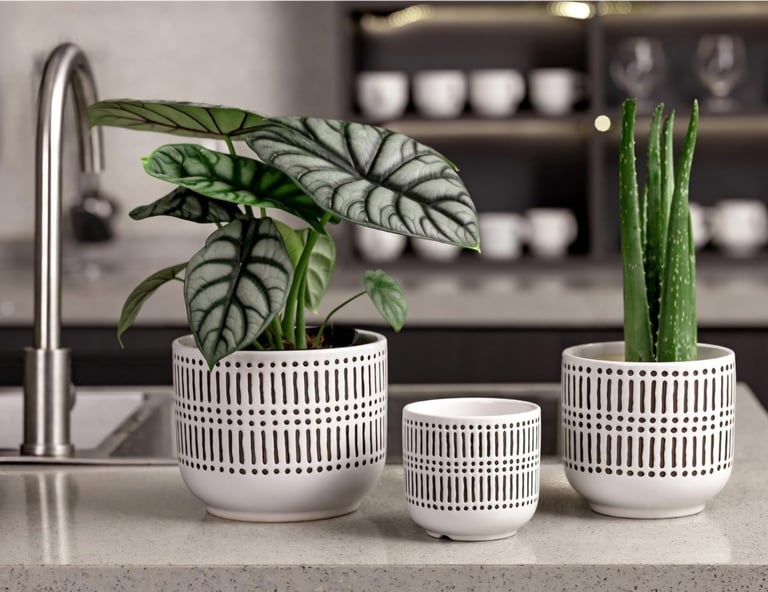
Soft neutral tones and subtle texture make this ceramic planter set an easy match for modern, cozy interiors. The drainage holes and multiple size options make them practical for everything from succulents to medium houseplants.
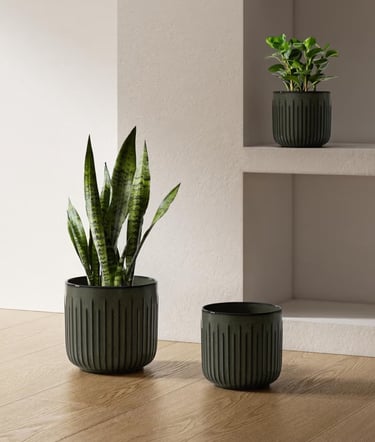
The soft vertical fluting gives these ceramic planters just enough texture to feel special without overpowering your plant. The slightly tapered shape keeps them looking balanced and intentional — especially for upright indoor plants like snake plants or ZZ plants.
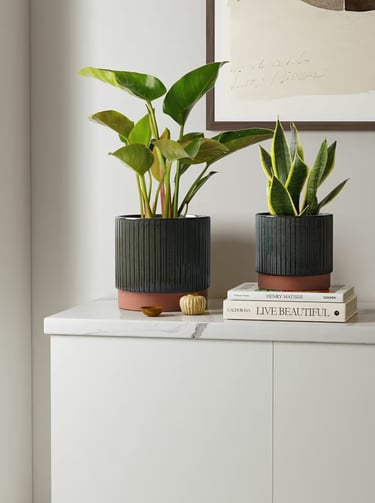
I love the way the natural wood base softens the darker ceramic glaze — it instantly warms up the whole look. With proper drainage and a sturdy feel, these indoor plant pots are practical for everyday houseplants but still feel styled and cozy.
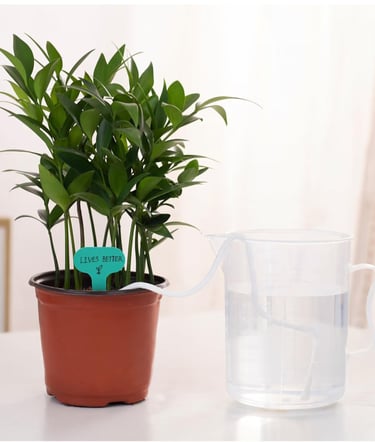
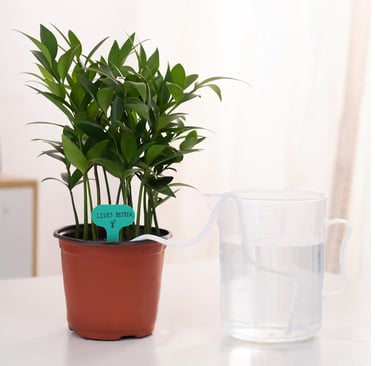
These self-watering planters take the stress out of watering — especially for larger houseplants. I love the clear water level window because you can check moisture at a glance without lifting or disturbing the plant.
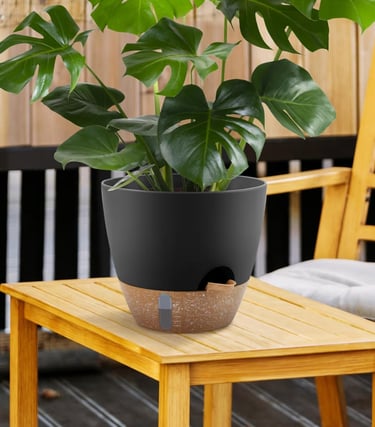
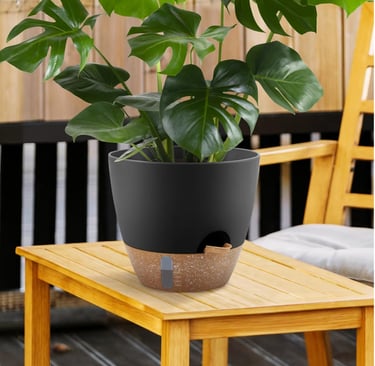
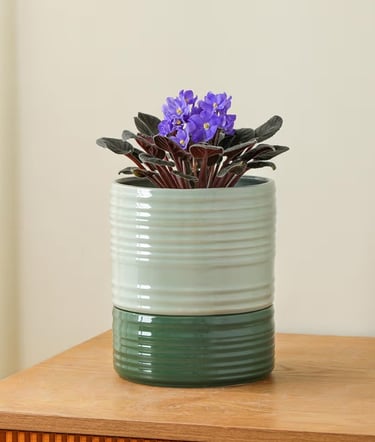
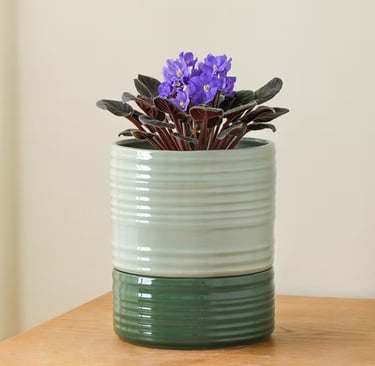
This 6-inch self-watering planter features a modern two-tone green finish that adds subtle depth while staying neutral enough for kitchens, desks, and plant shelves.
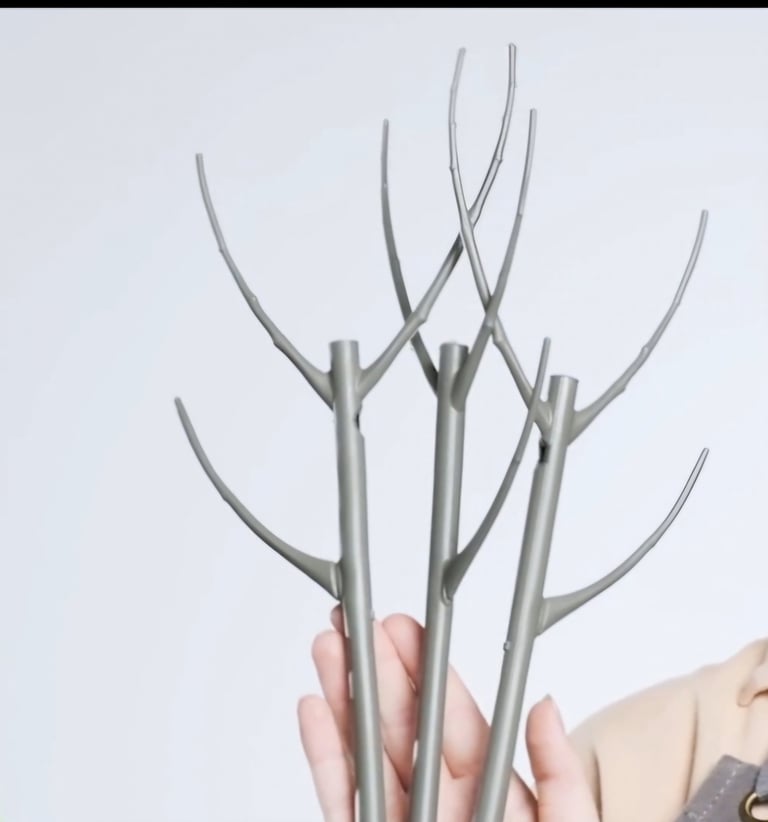
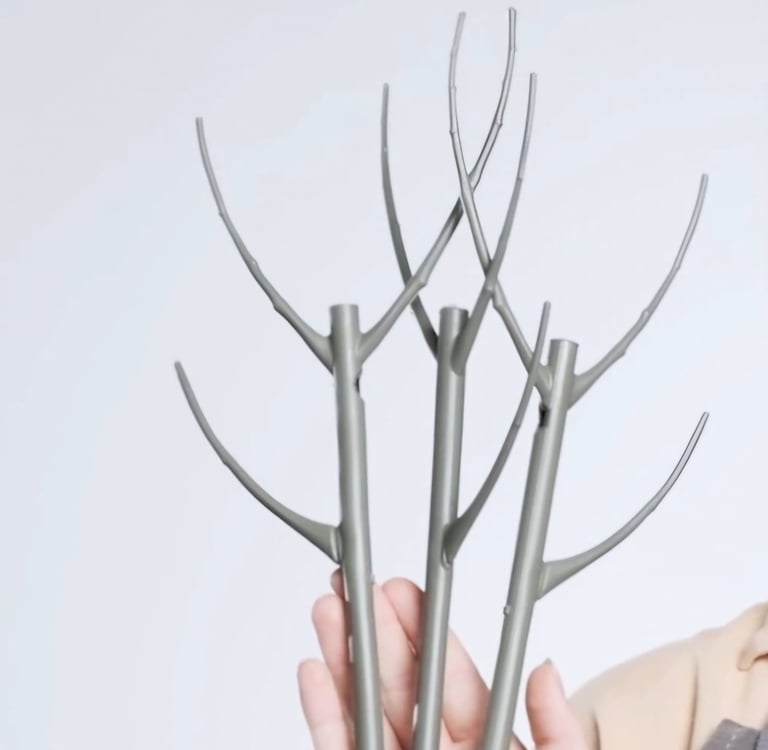
These branch-style plant support stakes provide subtle structural support while blending naturally into your plant. Perfect for top-heavy stems, new growth, or training upright houseplants without bulky cages or visible ties.
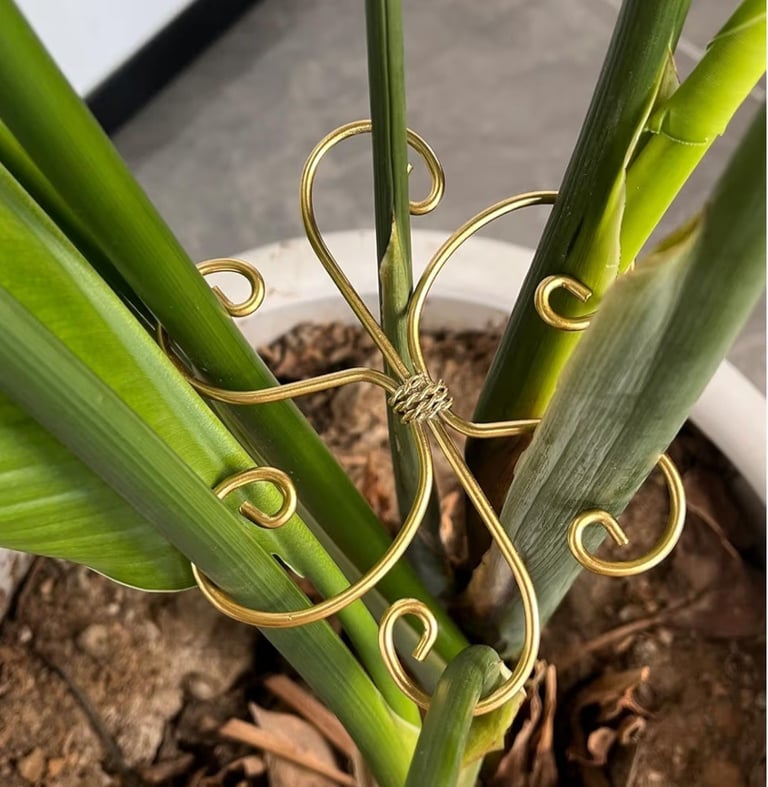
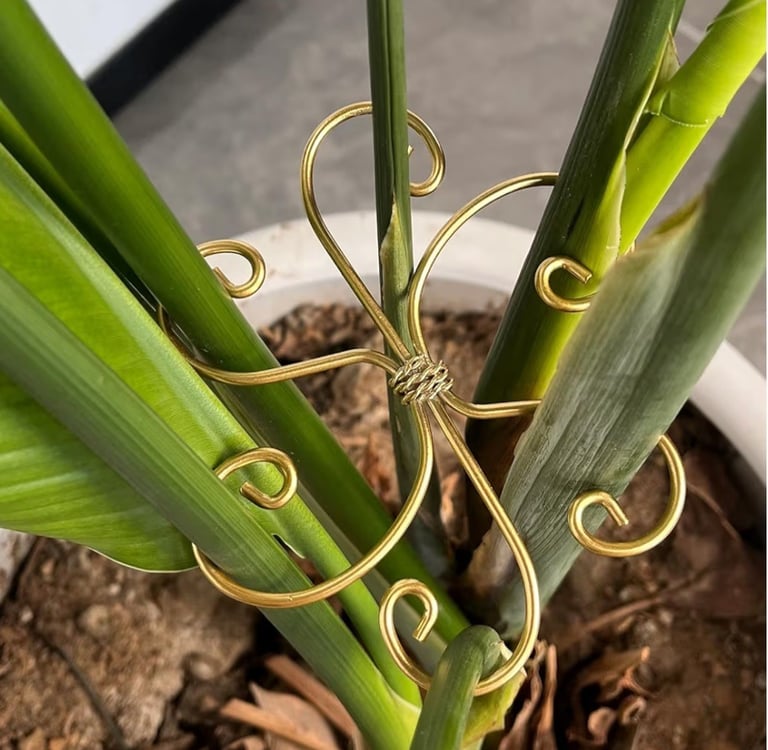
These adjustable plant support clips gently secure stems in place, helping stabilize young plants or newly repotted houseplants. Ideal for preventing leaning, improving structure, and encouraging upright growth without damaging roots.
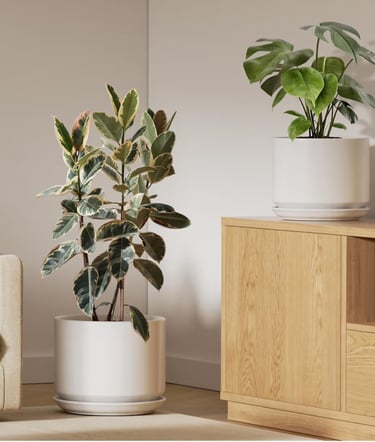
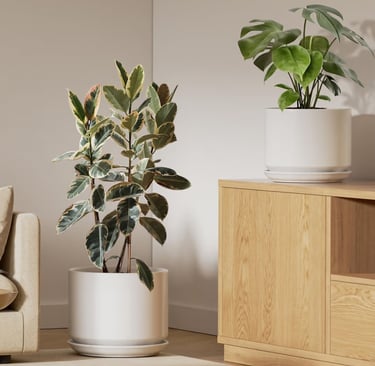
If you want a clean, minimalist look for larger indoor plants, this white ceramic set is a gorgeous upgrade. The simple silhouette complements modern home decor, and the larger sizes work well for monstera, rubber plants, and fiddle-leaf figs.
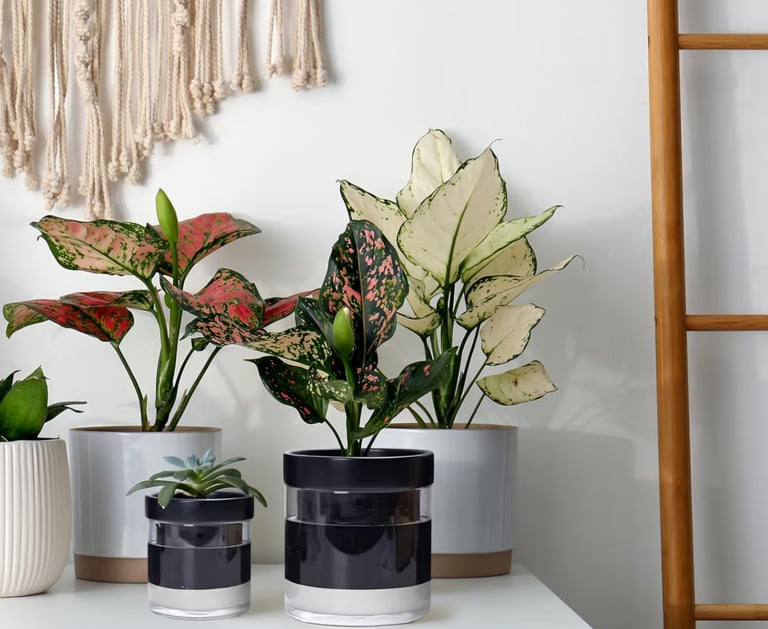
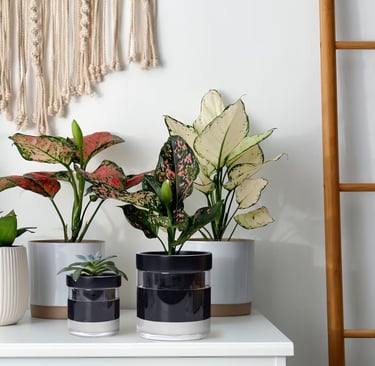
This black terracotta self-watering planter features a sleek matte upper pot paired with a transparent glass water reservoir, allowing you to monitor water levels at a glance. The terracotta interior helps regulate moisture naturally, while the reservoir base prevents over-watering.
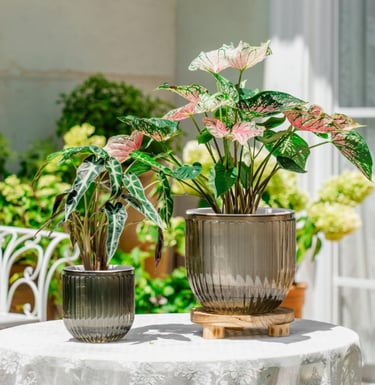
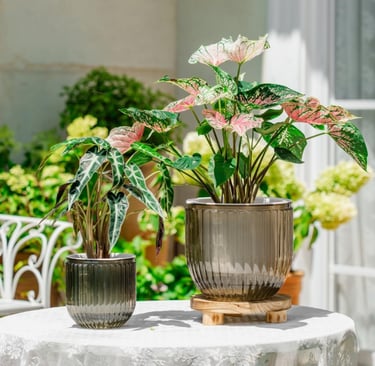
This adorable self-watering planter set includes 8.3-inch and 5.3-inch sizes, making it ideal for styling multiple indoor plants at once. Each pot features a built-in reservoir and drainage system to reduce over-watering while maintaining consistent soil moisture. The neutral light grey finish blends seamlessly into modern or minimalist interiors.
Best Budget Buy
Best Budget Buy
Best Large Minimalist Set
Best Textured
Best Modern Pick
Best Statement Size
Best Design Statement
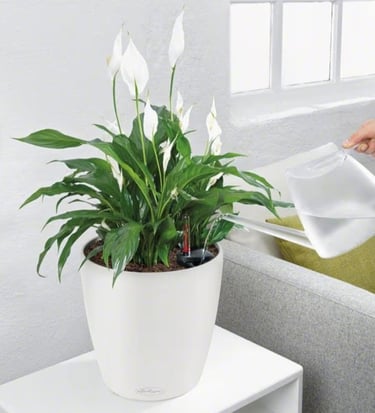
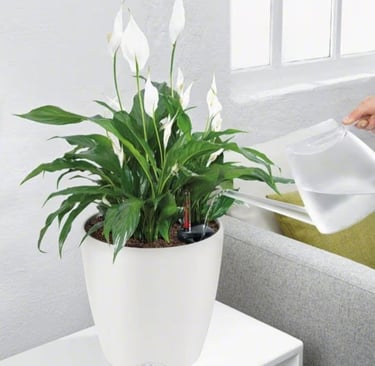
Best Minimalist Set
If you’re looking for a larger, long-term self-watering planter, this one is a solid upgrade. The removable inner liner and water level indicator make maintenance easy, and the larger reservoir is ideal for medium to bigger indoor plants that need more consistent moisture.
These 1/6th -inch (about 4mm) watering wicks fall into the medium thickness range, providing steady moisture without oversaturating the soil. This is the size I use for most indoor plants in 4-8 inch pots.
Best Modern Ceramic
When using self-watering planters, fertilizer salts can accumulate in the soil over time. Every few weeks, top-water thoroughly until excess drains out to flush the soil and prevent root stress
Pro Tip
Extra Plant Essentials: Pots, Wicks & Support Tools
A well-built DIY indoor plant soil recipe only performs as well as the container system supporting it. Drainage, airflow, moisture regulation, and structural stability all influence root health and long-term plant growth.
Below are the essential tools that complete a high-performance indoor plant setup.
Clear Nursery Pots with Drainage Holes
Indoor plants require containers with proper drainage to prevent root rot and soil compaction. Always choose pots with drainage holes that allow excess water to escape and oxygen to circulate through the root system.
Clear nursery pots are especially helpful for monitoring:
• Soil moisture levels
• Root development
• Early signs of root rot
Using these clear inner pots is one of the simplest ways to prevent overwatering issues.
Self-Watering Wick Systems
(DIY Method)
Capillary wicks regulate moisture by drawing water from a reservoir into the soil over time. This method is ideal for tropical plants and moisture-loving species that prefer consistent hydration.
Wick thickness determines how quickly water is delivered:
Thin wicks (2–3mm): slow moisture transfer.
Medium wicks (4–6mm): moderate, balanced moisture.
Thick wicks (6–8mm+): faster water delivery.
For a DIY wick system:
Insert wick through drainage hole of a clear nursery pot.
Allow wick tail to sit in a water reservoir below the pot.
Ensure water level does not fully submerge the root ball.
Wicks are especially useful for:
• Alocasias
• Calatheas
• Carnivorous plants
• Plants in dry indoor environments
Many modern planters include built-in reservoirs and integrated wick systems. These containers automatically regulate moisture levels and reduce watering frequency.
When choosing a self-watering planter, look for:
• Removable inner pot
• Visible water level indicator
• Adjustable wick thickness
• Adequate drainage aeration
Self-watering containers are helpful for beginners and for maintaining consistent soil moisture during busy schedules.
Decorative Cache Pots
(Outer Planters)
Decorative planters without drainage holes should only be used as outer covers. Keep your plant in a functional inner drainage pot and place it inside the decorative container to maintain airflow and prevent stagnant water buildup.
This method allows you to:
• Upgrade aesthetics
• Protect surfaces
• Maintain proper drainage
Self-Watering Planters
(Built-In Systems)
Support Stakes & Root Stabilizers
Newly repotted or top-heavy plants may require structural support while roots establish. Bamboo stakes, plant ties, and support clips help prevent root disturbance and stem stress during the transition period.
Soft neutral tones and subtle texture make this ceramic planter set an easy match for modern, cozy interiors. The drainage holes and multiple size options make them practical for everything from succulents to medium houseplants.
The soft vertical fluting gives these ceramic planters just enough texture to feel special without overpowering your plant. The slightly tapered shape keeps them looking balanced and intentional — especially for upright indoor plants like snake plants or ZZ plants.
I love the way the natural wood base softens the darker ceramic glaze — it instantly warms up the whole look. With proper drainage and a sturdy feel, these indoor plant pots are practical for everyday houseplants but still feel styled and cozy.
These self-watering planters take the stress out of watering — especially for larger houseplants. I love the clear water level window because you can check moisture at a glance without lifting or disturbing the plant.
This 6-inch self-watering planter features a modern two-tone green finish that adds subtle depth while staying neutral enough for kitchens, desks, and plant shelves.
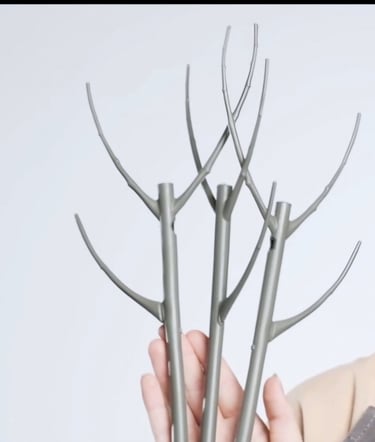
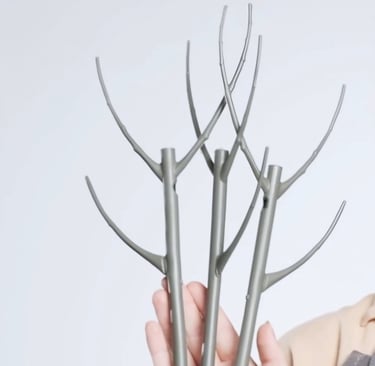
These branch-style plant support stakes provide subtle structural support while blending naturally into your plant. Perfect for top-heavy stems, new growth, or training upright houseplants without bulky cages or visible ties.
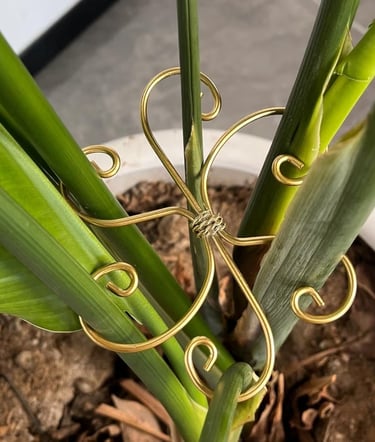
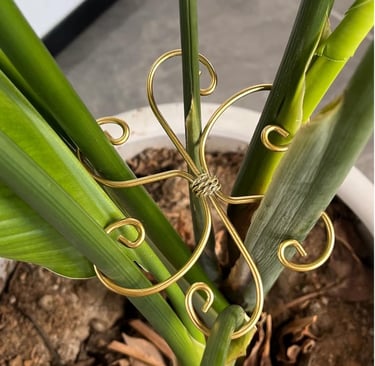
These adjustable plant support clips gently secure stems in place, helping stabilize young plants or newly repotted houseplants. Ideal for preventing leaning, improving structure, and encouraging upright growth without damaging roots.
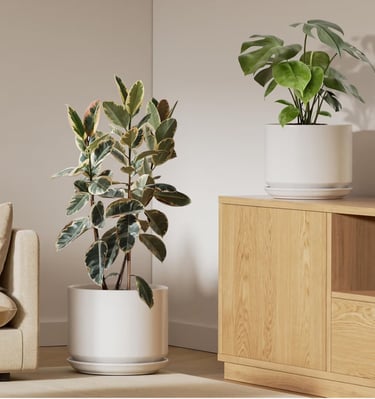
If you want a clean, minimalist look for larger indoor plants, this white ceramic set is a gorgeous upgrade. The simple silhouette complements modern home decor, and the larger sizes work well for monstera, rubber plants, and fiddle-leaf figs.
This black terracotta self-watering planter features a sleek matte upper pot paired with a transparent glass water reservoir, allowing you to monitor water levels at a glance. The terracotta interior helps regulate moisture naturally, while the reservoir base prevents over-watering.
This adorable self-watering planter set includes 8.3-inch and 5.3-inch sizes, making it ideal for styling multiple indoor plants at once. Each pot features a built-in reservoir and drainage system to reduce over-watering while maintaining consistent soil moisture. The neutral light grey finish blends seamlessly into modern or minimalist interiors.
Best Budget Buy
Best Budget Buy
Best Large Minimalist Set
Best Textured
Best Modern Pick
Best Statement Size
Best Design Statement
Best Minimalist Set
If you’re looking for a larger, long-term self-watering planter, this one is a solid upgrade. The removable inner liner and water level indicator make maintenance easy, and the larger reservoir is ideal for medium to bigger indoor plants that need more consistent moisture.
These 1/6th -inch (about 4mm) watering wicks fall into the medium thickness range, providing steady moisture without oversaturating the soil. This is the size I use for most indoor plants in 4-8 inch pots.
Best Modern Ceramic
When using self-watering planters, fertilizer salts can accumulate in the soil over time. Every few weeks, top-water thoroughly until excess drains out to flush the soil and prevent root stress
Pro Tip
How to Install a Moss Pole for Indoor Climbing Plants
Climbing tropical plants like Monstera, Philodendron, and many Alocasia species naturally grow upward by attaching aerial roots to tree bark in their native environments. Installing a moss pole mimics this natural growth pattern and encourages stronger stems, larger leaves, and more stable vertical growth.
Without structural support, climbing indoor plants often become leggy, droop outward, or produce smaller foliage over time.
Why Moss Poles Matter for Aroids
Moss poles provide:
• Vertical structural support
• Increased aerial root attachment
• Improved humidity around climbing stems
• More structured, upward growth habit
• Larger leaf development over time
When aerial roots attach to a moist support surface, plants redirect energy into upward growth instead of lateral stretching.
Types of Moss Poles
These flexible mesh poles are perfect for shaping vines and redirecting growth. Great for beginners and multi-plant setups, offering adjustable support without bulk.
Insert the pole into the pot at the time of repotting to avoid root damage.
Soak the moss pole or lose sphagnum moss for 30 minutes.
Position the pole toward the back of the root ball.
Secure stems loosely with plant ties or soft clips.
Keep sphagnum lightly moist to encourage aerial root attachment.
Rotate the plant periodically to promote even growth.
Installing a moss pole during repotting prevents disturbing established root systems later.
How to Install a Moss Pole
Moss poles are ideal for:
▪ Monstera deliciosa
▪ Monstera adansonii
▪ Philodendron varieties
▪ Climbing pothos
▪ Certain Alocasia species
They are not necessary for compact or self-heading plants that do not produce climbing growth
When to Use a Moss Pole
Re-moisten sphagnum periodically to encourage root adhesion.
Extend modular poles as the plant grows taller.
Check ties regularly to prevent stem restriction.
Properly supported climbing plants often develop thicker stems and larger, more mature leaves over time.
Pro Tips
Preparing Sphagnum Moss Before Installation
If you’re using loose sphagnum moss or filling a modular moss pole:
Submerge the dry sphagnum moss in clean water for 20–30 minutes.
Allow it to fully hydrate and expand.
Gently squeeze out excess water so it is damp, not dripping.
Pack the moss firmly into the pole or mesh structure.
Hydrated moss improves:
Aerial root attachment
Humidity retention
Stability within the pole
Installing dry moss reduces adhesion and slows aerial root development.
Pre-Filled Moss Poles (Ready-to-Use)
Many commercially available moss poles come pre-packed with sphagnum moss or coco fiber. These poles should still be lightly moistened before installation to activate moisture retention and improve aerial root attachment.
To prepare:
Lightly soak or thoroughly mist the pole for 10–20 minutes.
Allow excess water to drain.
Install during repotting for minimal root disturbance.
Even pre-filled poles benefit from hydration before use.
There are several moss pole variations suitable for indoor plant setups:
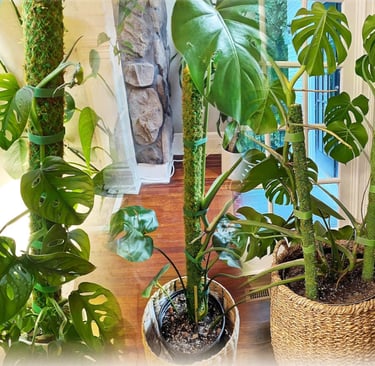
This traditional sphagnum moss pole provides moisture-retentive support for climbing plants like Monstera and Philodendron. Ideal for encouraging aerial root attachment and upright growth.
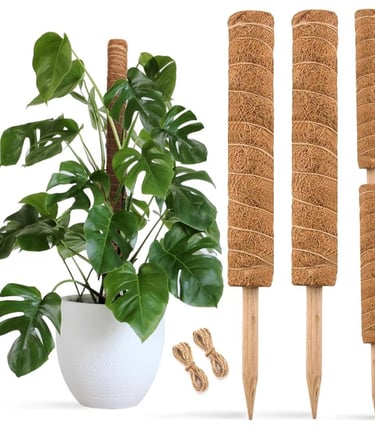
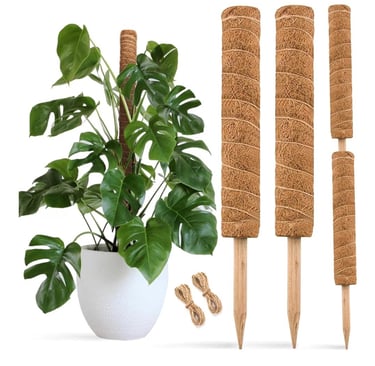
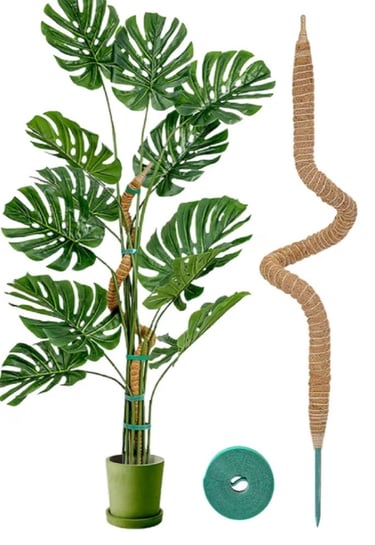
This stackable coco coir moss pole allows you to extend support as your plant grows. A low-maintenance alternative to sphagnum, perfect for steady vertical training.
Plastic Mesh or Modular Poles:
Coco Choir Poles
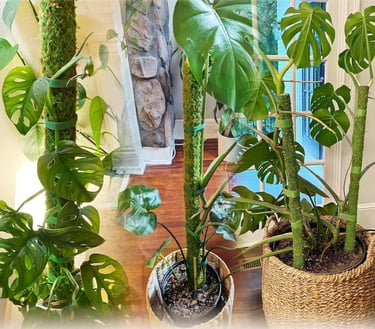
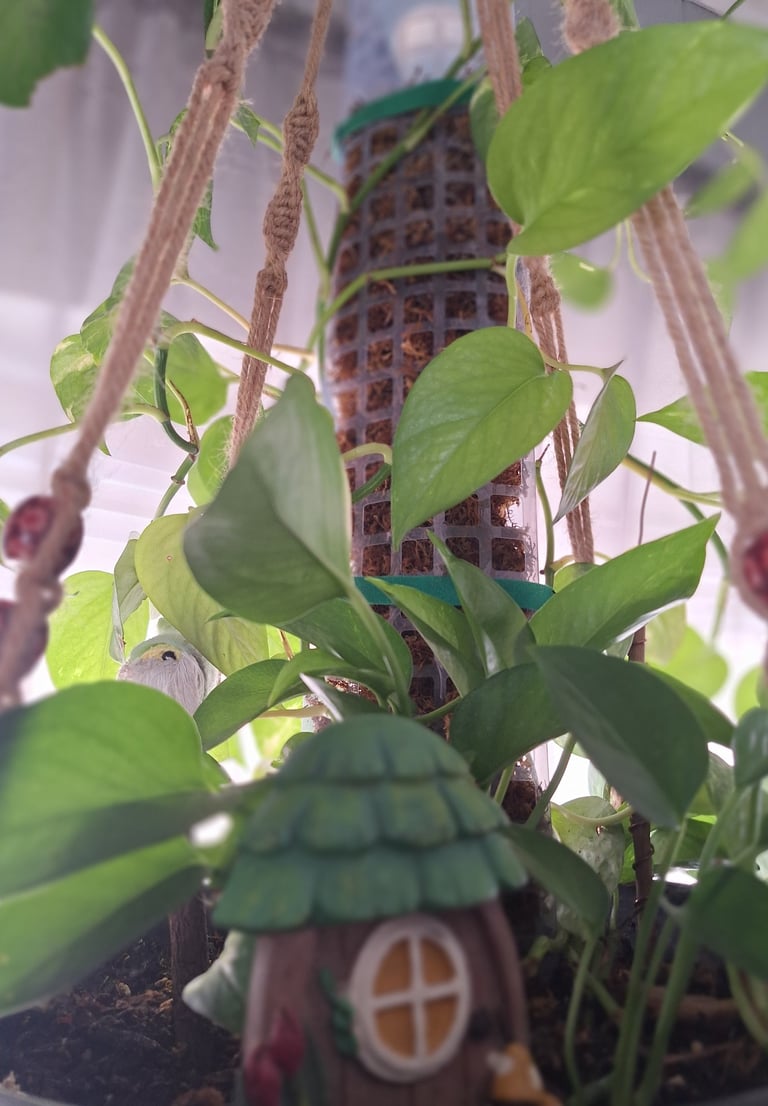
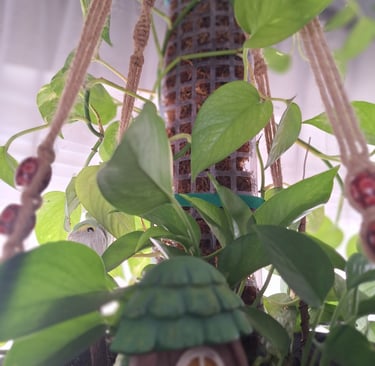
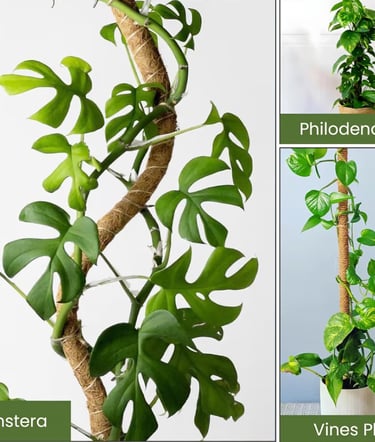
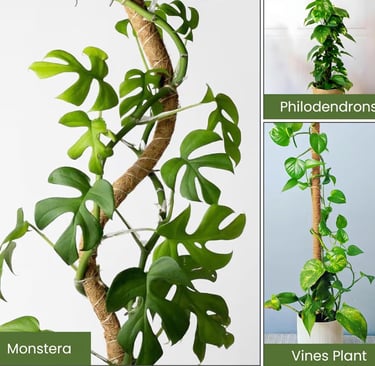
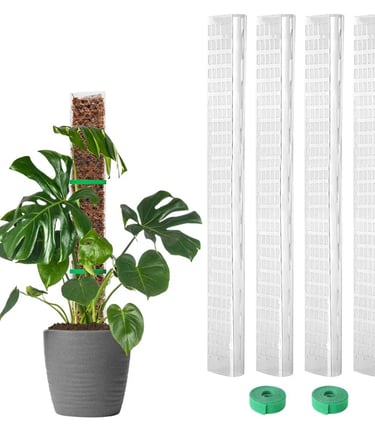
This modular mesh moss pole allows you to fill it with your own sphagnum moss for customizable moisture control. Ideal for larger climbers and long-term growth systems.
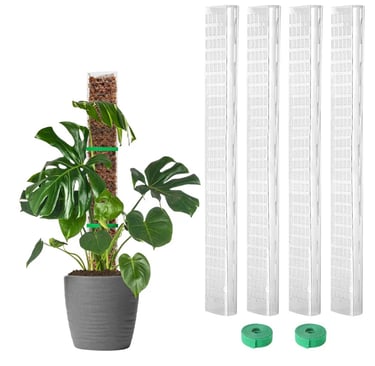
Sphagnum Moss Poles:
How to Install a Moss Pole for Indoor Climbing Plants
Climbing tropical plants like Monstera, Philodendron, and many Alocasia species naturally grow upward by attaching aerial roots to tree bark in their native environments. Installing a moss pole mimics this natural growth pattern and encourages stronger stems, larger leaves, and more stable vertical growth.
Without structural support, climbing indoor plants often become leggy, droop outward, or produce smaller foliage over time.
Why Moss Poles Matter for Aroids
Moss poles provide:
• Vertical structural support
• Increased aerial root attachment
• Improved humidity around climbing stems
• More structured, upward growth habit
• Larger leaf development over time
When aerial roots attach to a moist support surface, plants redirect energy into upward growth instead of lateral stretching.
Types of Moss Poles
These flexible mesh poles are perfect for shaping vines and redirecting growth. Great for beginners and multi-plant setups, offering adjustable support without bulk.
Insert the pole into the pot at the time of repotting to avoid root damage.
Soak the moss pole or lose sphagnum moss for 30 minutes.
Position the pole toward the back of the root ball.
Secure stems loosely with plant ties or soft clips.
Keep sphagnum lightly moist to encourage aerial root attachment.
Rotate the plant periodically to promote even growth.
Installing a moss pole during repotting prevents disturbing established root systems later.
How to Install a Moss Pole
Moss poles are ideal for:
▪ Monstera deliciosa
▪ Monstera adansonii
▪ Philodendron varieties
▪ Climbing pothos
▪ Certain Alocasia species
They are not necessary for compact or self-heading plants that do not produce climbing growth
When to Use a Moss Pole
Re-moisten sphagnum periodically to encourage root adhesion.
Extend modular poles as the plant grows taller.
Check ties regularly to prevent stem restriction.
Properly supported climbing plants often develop thicker stems and larger, more mature leaves over time.
Maintenance Tips
Preparing Sphagnum Moss Before Installation
If you’re using loose sphagnum moss or filling a modular moss pole:
Submerge the dry sphagnum moss in clean water for 20–30 minutes.
Allow it to fully hydrate and expand.
Gently squeeze out excess water so it is damp, not dripping.
Pack the moss firmly into the pole or mesh structure.
Hydrated moss improves:
Aerial root attachment
Humidity retention
Stability within the pole
Installing dry moss reduces adhesion and slows aerial root development.
Pre-Filled Moss Poles (Ready-to-Use)
Many commercially available moss poles come pre-packed with sphagnum moss or coco fiber. These poles should still be lightly moistened before installation to activate moisture retention and improve aerial root attachment.
To prepare:
Lightly soak or thoroughly mist the pole for 10–20 minutes.
Allow excess water to drain.
Install during repotting for minimal root disturbance.
Even pre-filled poles benefit from hydration before use.
There are several moss pole variations suitable for indoor plant setups:
This traditional sphagnum moss pole provides moisture-retentive support for climbing plants like Monstera and Philodendron. Ideal for encouraging aerial root attachment and upright growth.
This stackable coco coir moss pole allows you to extend support as your plant grows. A low-maintenance alternative to sphagnum, perfect for steady vertical training.
Plastic Mesh or Modular Poles:
Coco Choir Poles
This modular mesh moss pole allows you to fill it with your own sphagnum moss for customizable moisture control. Ideal for larger climbers and long-term growth systems.
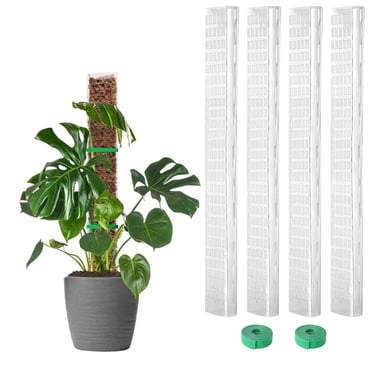
Sphagnum Moss Poles
Sphagnum moss dries much faster than potting soil because it is exposed to airflow on all sides. If the moss becomes too dry, aerial roots will not attach properly and vertical growth may stall.
Maintaining consistent moisture — not saturation — is the key to successful moss pole training
Manual Top Watering
Slowly pour water down the pole until the moss is evenly damp. Allow excess water to drain through the pot. Avoid soaking the soil below, as this can lead to overwatering.
This method works but requires frequent monitoring.
Keeping a Moss Pole Moist (Advanced Moisture Control)
Terracotta Watering Spike Insert (Controlled-Release Method)
A terracotta watering spike or porous clay insert can be placed directly inside a refillable moss pole structure. When filled with water, the terracotta gradually releases moisture into the surrounding sphagnum moss.
Because terracotta is naturally porous, it distributes water slowly and evenly, helping maintain stable moisture levels without oversaturating the potting mix below.
To use:
Soak the terracotta spike for 10–15 minutes before first installation.
Insert it into the moss column.
Refill the reservoir as needed during active growth.
This method significantly improves aerial root attachment and reduces daily watering maintenance.
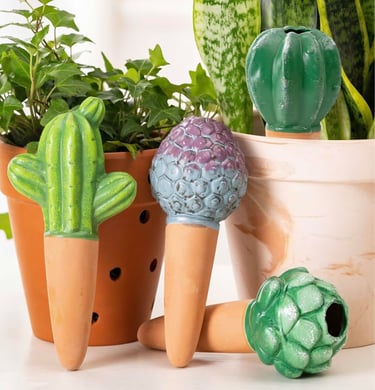
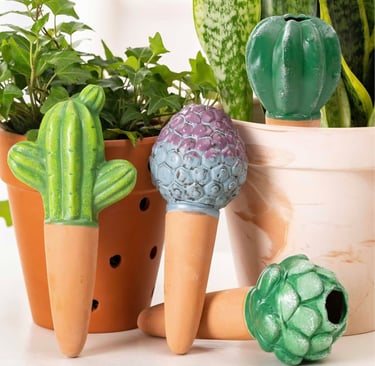
Consistent moisture and airflow are the foundation of healthy moss pole performance.
Check moss weekly to ensure it feels damp but not dripping.
Trim damaged aerial roots before encouraging reattachment.
Secure new growth loosely to allow natural climbing.
Rotate the plant periodically to maintain balanced light exposure.
If aerial roots are not attaching, the moss is likely too dry or compacted. Loosen dense areas gently and rehydrate as needed.
Over time, refresh sphagnum moss if it becomes compacted or begins to break down. Healthy moss should remain springy, not dense or muddy.
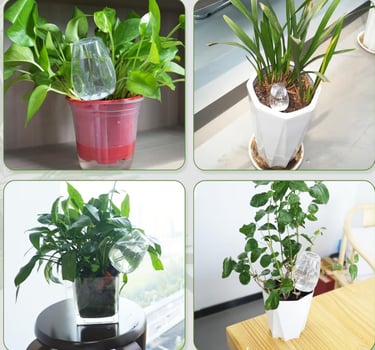
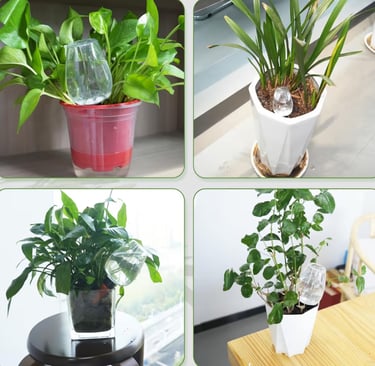
These terracotta self-watering plant spikes act as a slow-release irrigation system, delivering consistent moisture to indoor and outdoor container plants. Perfect for busy schedules or vacation plant care, the clear reservoir makes it easy to monitor water levels while preventing overwatering.
These decorative terracotta self-watering spikes function as a simple automatic plant watering system, slowly releasing moisture into the soil through natural clay diffusion. Ideal for houseplants, container plants, and vacation watering, they combine practical irrigation with charming plant decor.


Maintenance & Root Attachment Tips
Sphagnum moss dries much faster than potting soil because it is exposed to airflow on all sides. If the moss becomes too dry, aerial roots will not attach properly and vertical growth may stall.
Maintaining consistent moisture — not saturation — is the key to successful moss pole training
Manual Top Watering
Slowly pour water down the pole until the moss is evenly damp. Allow excess water to drain through the pot. Avoid soaking the soil below, as this can lead to overwatering.
This method works but requires frequent monitoring.
Keeping a Moss Pole Moist (Advanced Moisture Control)
Terracotta Watering Spike Insert (Controlled-Release Method)
A terracotta watering spike or porous clay insert can be placed directly inside a refillable moss pole structure. When filled with water, the terracotta gradually releases moisture into the surrounding sphagnum moss.
Because terracotta is naturally porous, it distributes water slowly and evenly, helping maintain stable moisture levels without oversaturating the potting mix below.
To use:
Soak the terracotta spike for 10–15 minutes before first installation.
Insert it into the moss column.
Refill the reservoir as needed during active growth.
This method significantly improves aerial root attachment and reduces daily watering maintenance.
Consistent moisture and airflow are the foundation of healthy moss pole performance.
Check moss weekly to ensure it feels damp but not dripping.
Trim damaged aerial roots before encouraging reattachment.
Secure new growth loosely to allow natural climbing.
Rotate the plant periodically to maintain balanced light exposure.
If aerial roots are not attaching, the moss is likely too dry or compacted. Loosen dense areas gently and rehydrate as needed.
Over time, refresh sphagnum moss if it becomes compacted or begins to break down. Healthy moss should remain springy, not dense or muddy.
Maintenance & Root Attachment Tips
These terracotta self-watering plant spikes act as a slow-release irrigation system, delivering consistent moisture to indoor and outdoor container plants. Perfect for busy schedules or vacation plant care, the clear reservoir makes it easy to monitor water levels while preventing overwatering.
These decorative terracotta self-watering spikes function as a simple automatic plant watering system, slowly releasing moisture into the soil through natural clay diffusion. Ideal for houseplants, container plants, and vacation watering, they combine practical irrigation with charming plant decor.


Chunky Aroid Soil Mix Recipe (Monsteras, Philodendrons, Alocasias)
Orchid bark provides structure and airflow for thick aroid roots.
Pumice and/or perlite prevents compaction and improves drainage.
Buffered coco coir maintains moisture without becoming waterlogged.
Potting soil adds microbial activity and base nutrients.
Activated charcoal help absorb excess impurities in the soil.
Worm castings provide gentle, slow-release nutrition.
The result is a soil system that dries evenly, resists compaction, and supports aggressive root growth.
Climbing tropical plants like Monstera, Philodendron, and many Alocasia species require a chunky, well-aerated soil mix that mimics the loose forest floor conditions of their natural habitat. Standard potting soil alone is often too dense and retains too much excessive moisture for these plants, leading to root rot and slow growth.
This chunky aroid soil recipe is designed to maximize drainage, oxygen flow, and root expansion while still maintaining balanced moisture retention.
Recommended Ratio:
• 30% Orchid Bark
• 25% Pumice or Horticultural Perlite
• 20% Buffered Coco Coir
• 15% High-Quality Potting Soil
• 5% Activated Charcoal
• 5% Worm Castings
This ratio creates large air pockets, structural stability, and moderate nutrient availability without compacting over time.
Why This Recipe Works
Best Plants for This Chunky Aroid Mix
This mix is ideal for plants that produce aerial roots and benefit from moss pole support.
When to Adjust the Ratio
Increase drainage (add more pumice/perlite) if:
▪ Your home has low airflow
▪ You tend to overwater
▪ Your pots are deep or oversized
▪ Increase moisture retention (add slightly more coir) if:
• Your environment is dry.
• You use terra cotta pots.
• Your plants soil dries out quickly within a day or two.
Adjustments should be made gradually and tested per plant.
Pro Tip
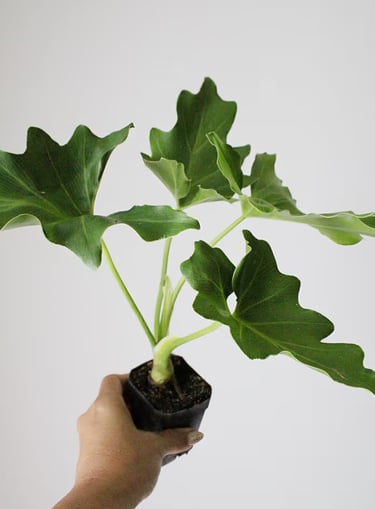
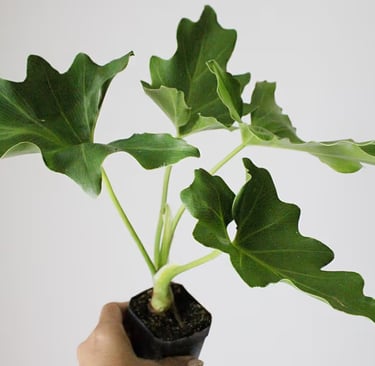
Philodendron selloum ‘Hope’
Monstera deliciosa
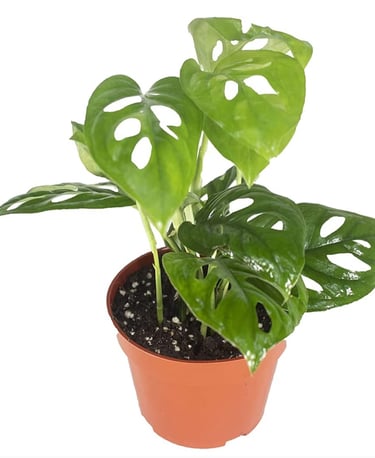
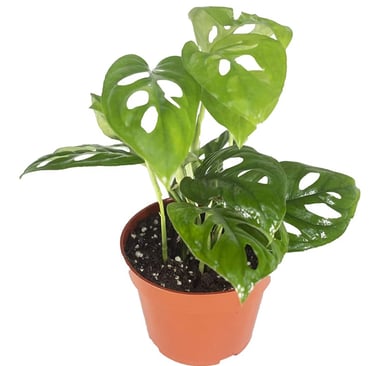
Monstera adansonii
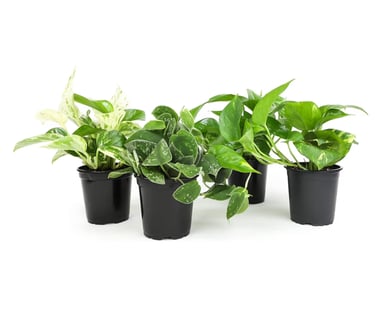
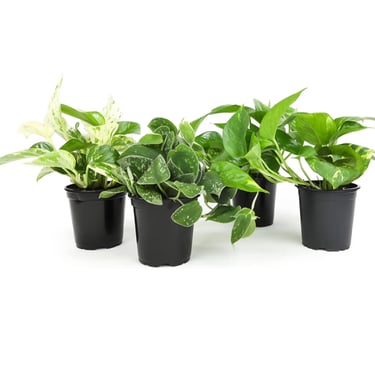
Climbing pothos
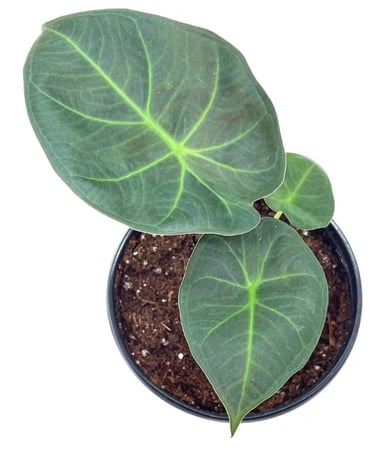
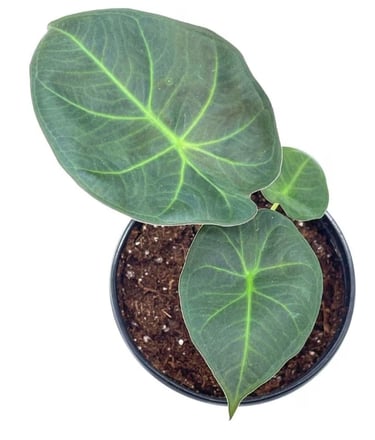
Alocasia Regal Shield
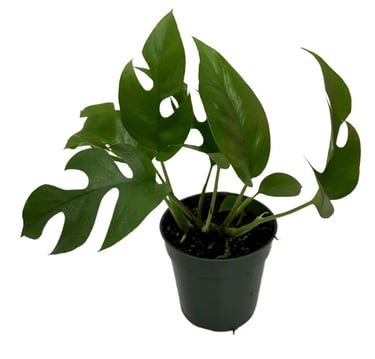
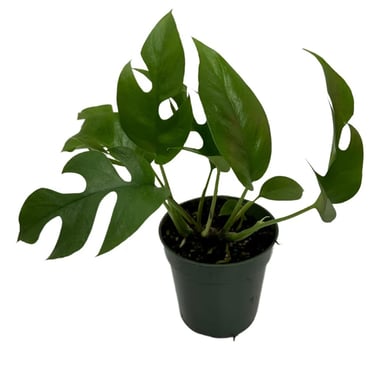
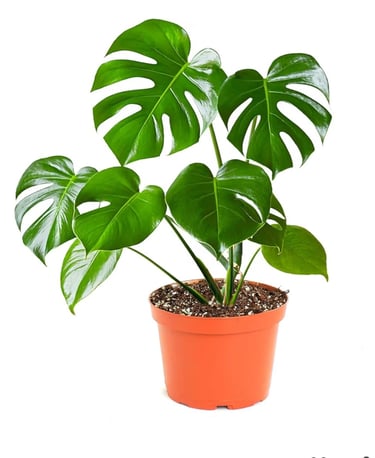
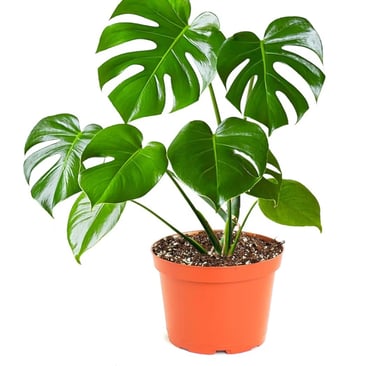
Rhaphidophora tetrasperma (Mini monstera)
Always install moss poles and support systems during repotting to prevent root disturbance later. Allow the soil to settle naturally after watering — never compact it down.
Chunky Aroid Soil Mix Recipe (Monsteras, Philodendrons, Alocasias)
Orchid bark provides structure and airflow for thick aroid roots.
Pumice and/or perlite prevents compaction and improves drainage.
Buffered coco coir maintains moisture without becoming waterlogged.
Potting soil adds microbial activity and base nutrients.
Activated charcoal help absorb excess impurities in the soil.
Worm castings provide gentle, slow-release nutrition.
The result is a soil system that dries evenly, resists compaction, and supports aggressive root growth.
Climbing tropical plants like Monstera, Philodendron, and many Alocasia species require a chunky, well-aerated soil mix that mimics the loose forest floor conditions of their natural habitat. Standard potting soil alone is often too dense and retains too much excessive moisture for these plants, leading to root rot and slow growth.
This chunky aroid soil recipe is designed to maximize drainage, oxygen flow, and root expansion while still maintaining balanced moisture retention.
Recommended Ratio:
• 30% Orchid Bark
• 25% Pumice or Horticultural Perlite
• 20% Buffered Coco Coir
• 15% High-Quality Potting Soil
• 5% Activated Charcoal
• 5% Worm Castings
This ratio creates large air pockets, structural stability, and moderate nutrient availability without compacting over time.
Why This Recipe Works
Best Plants for This Chunky Aroid Mix
This mix is ideal for plants that produce aerial roots and benefit from moss pole support.
When to Adjust the Ratio
Increase drainage (add more pumice/perlite) if:
▪ Your home has low airflow
▪ You tend to overwater
▪ Your pots are deep or oversized
▪ Increase moisture retention (add slightly more coir) if:
• Your environment is dry.
• You use terra cotta pots.
• Your plants soil dries out quickly within a day or two.
Adjustments should be made gradually and tested per plant.
Always install moss poles and support systems during repotting to prevent root disturbance later. Allow the soil to settle naturally after watering — never compact it down.
Philodendron selloum ‘Hope’
Monstera deliciosa
Monstera adansonii
Climbing pothos
Alocasia Regal Shield
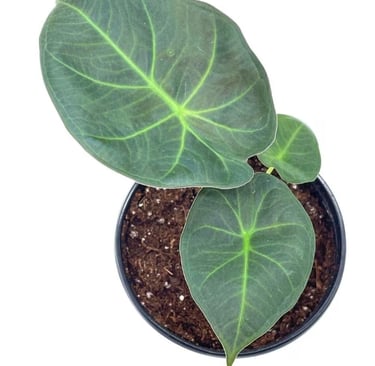
Rhaphidophora tetrasperma (Mini monstera)
Pro Tip
Succulent & Cactus Soil Mix Recipe (Fast-Draining Blend)
Succulents and cacti require a sharply draining soil mix that dries quickly and prevents prolonged moisture around delicate roots. Standard indoor potting soil alone retains too much water and is one of the main causes of rot in desert-adapted plants.
This succulent and cactus soil recipe prioritizes rapid drainage, airflow, and mineral stability to mimic arid growing conditions.
Recommended Ratio:
• 50% Horticultural Pumice or Perlite
• 25% Horticultural Sand
• 25% Cactus Potting Soil
This ratio creates a gritty, fast-drying mix that prevents root suffocation.
Why This Recipe Works
Pumice or perlite provides maximum drainage and prevents compaction.
Horticultural sand reduces water retention.
Potting soil adds organic matter for structure
The final texture should feel gritty and loose — not dense or muddy when wet.
Best Plants for this Desert Soil Mix
This mix is ideal for plants that require full drying between watering cycles.
Increase drainage (more pumice/sand) if:
• You live in a humid climate.
• Your pots lack airflow.
• Your plant is showing rot issues.
Increase slight moisture retention (a bit more coir) if:
• You live in an extremely dry environment
• Your succulents show wrinkling quickly after watering
• Avoid adding compost-heavy ingredients to desert mixes.
When to Adjust the Ratio
Pro Tip
Echeveria
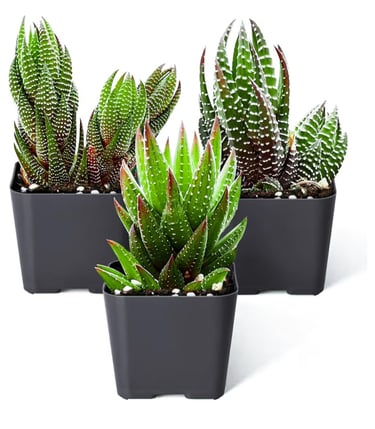
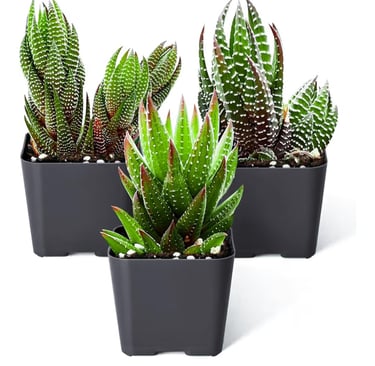
Haworthia
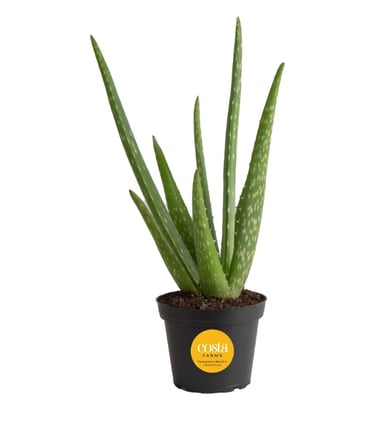
Aloe
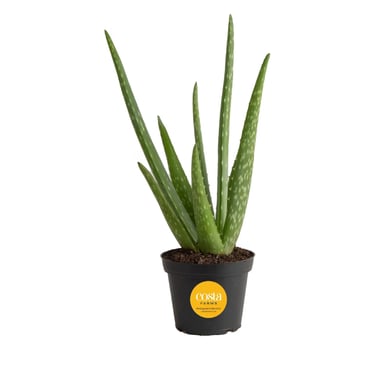
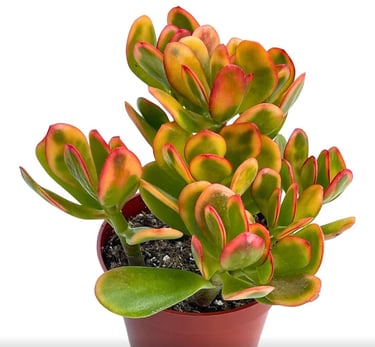
Jade plant (Crassula)
Mexican fence post cactus (Pachycerus marginatus and most cacti species
String of pearls and other trailing succulents
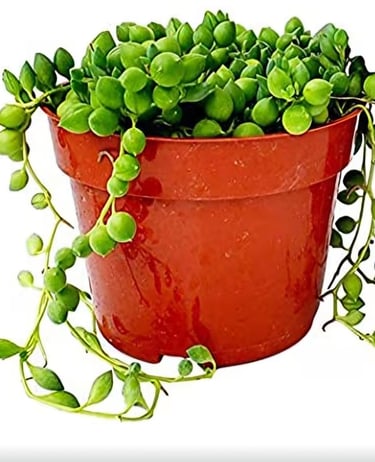
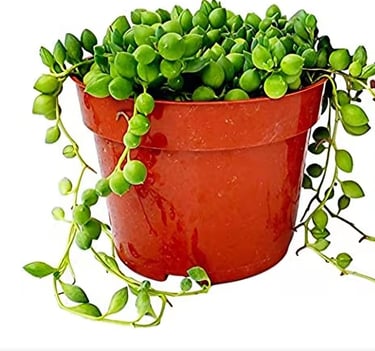
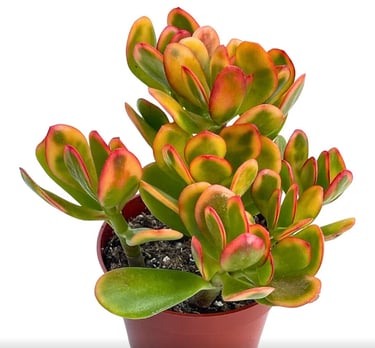
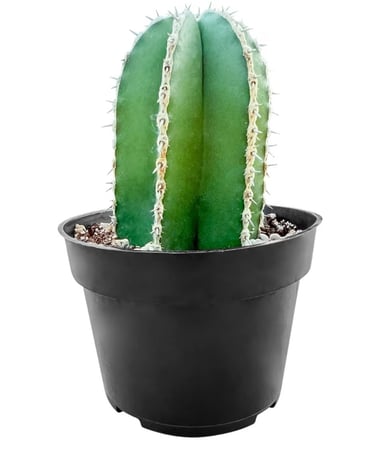
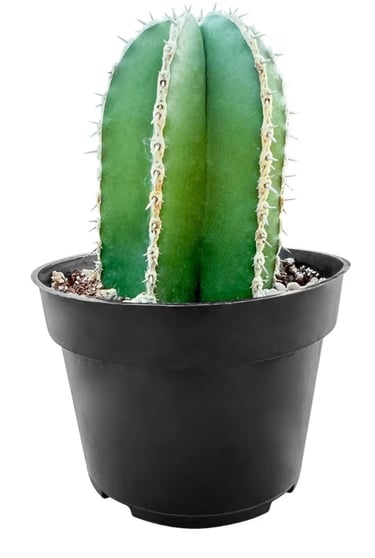
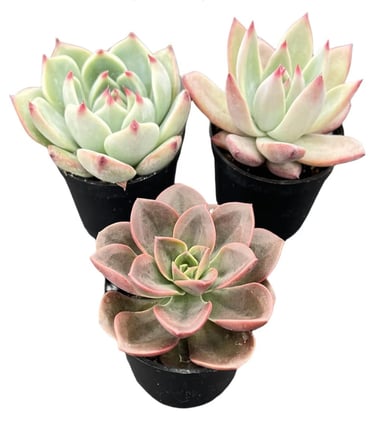
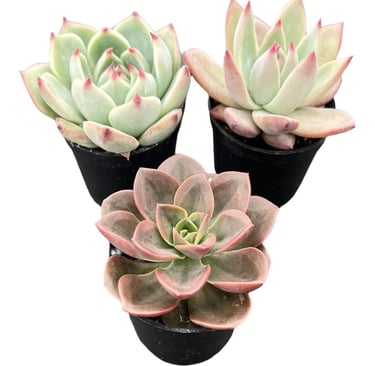
Always allow the soil to dry completely before rewatering. Succulent roots are designed for short bursts of moisture followed by extended dry periods
Succulent & Cactus Soil Mix Recipe (Fast-Draining Blend)
Succulents and cacti require a sharply draining soil mix that dries quickly and prevents prolonged moisture around delicate roots. Standard indoor potting soil alone retains too much water and is one of the main causes of rot in desert-adapted plants.
This succulent and cactus soil recipe prioritizes rapid drainage, airflow, and mineral stability to mimic arid growing conditions.
Recommended Ratio:
• 50% Horticultural Pumice or Perlite
• 25% Horticultural Sand
• 25% Cactus Potting Soil
This ratio creates a gritty, fast-drying mix that prevents root suffocation.
Why This Recipe Works
Pumice or perlite provides maximum drainage and prevents compaction.
Horticultural sand reduces water retention.
Potting soil adds organic matter for structure
The final texture should feel gritty and loose — not dense or muddy when wet.
Best Plants for this Desert Soil Mix
This mix is ideal for plants that require full drying between watering cycles.
Increase drainage (more pumice/sand) if:
• You live in a humid climate.
• Your pots lack airflow.
• Your plant is showing rot issues.
Increase slight moisture retention (a bit more coir) if:
• You live in an extremely dry environment
• Your succulents show wrinkling quickly after watering
• Avoid adding compost-heavy ingredients to desert mixes.
When to Adjust the Ratio
Pro Tip
Echeveria
Haworthia
Aloe
Jade plant (Crassula)
Mexican fence post cactus (Pachycerus marginatus and most cacti species
String of pearls and other trailing succulents
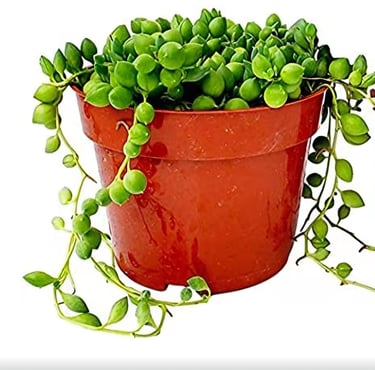
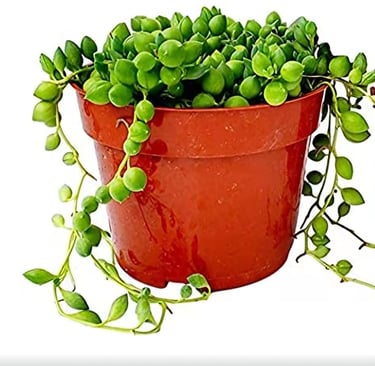
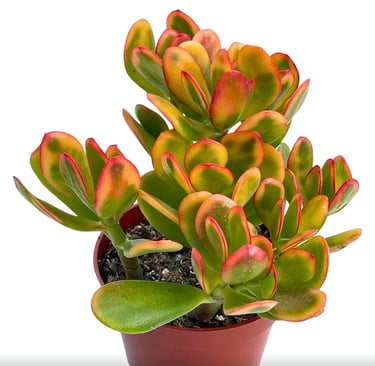
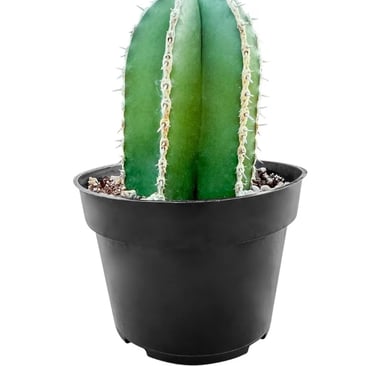
Always allow the soil to dry completely before rewatering. Succulent roots are designed for short bursts of moisture followed by extended dry periods
Everyday Indoor Plant Soil Mix Recipe (Balanced Houseplant Blend)
This mix is ideal for plants that prefer moderate moisture and do not require extreme drainage.
Why This Recipe Works
Increase drainage (more pumice/perlite) if:
• Your soil stays wet for more than 5–7 days
• Fungus gnats are present
• Lower leaves yellow frequently
Increase moisture retention (slightly more coir) if:
• Soil dries out within 2–3 days
• Leaves wilt quickly between waterings
• Your home has low humidity or strong airflow
Avoid adding heavy compost or garden soil to indoor container mixes.
Not every indoor plant requires a chunky aroid mix or a sharply draining desert blend. Many common houseplants thrive in a balanced soil recipe that retains moderate moisture while still allowing proper airflow to prevent root rot.
This everyday indoor plant soil mix recipe is designed for foliage plants that prefer consistent but not excessive hydration.
Recommended Ratio:
• 40% High-Quality Potting Soil
• 25% Buffered Coco Coir
• 20% Horticultural Pumice or Perlite
• 10% Orchid Bark (Optional, for added aeration)
• 5% Worm Castings
This creates a structured but moisture-balanced mix that supports steady root development without becoming dense or waterlogged.
Potting soil provides foundational nutrients and microbial activity.
Coco coir improves moisture retention while reducing compaction.
Pumice and/or perlite increases drainage and oxygen flow.
Orchid bark (optional) prevents long-term density in container soil.
Worm castings supply gentle, slow-release nutrients for foliage growth.
The result is a mix that dries evenly and supports stable watering cycles for most indoor plants.
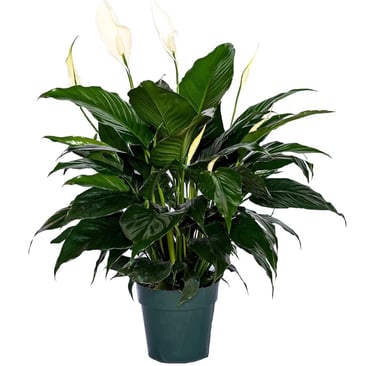
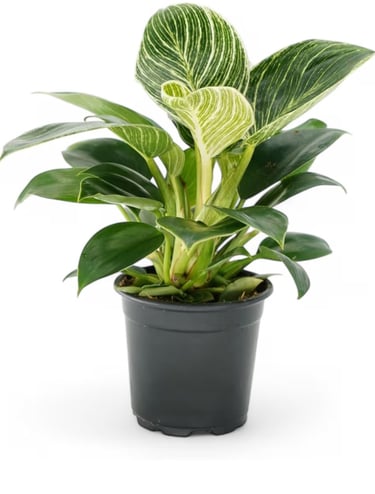
Best Plants for This Balanced Soil Mix
When to Adjust the Ratio
Pro Tip
Pothos (Epipremnum aureum)
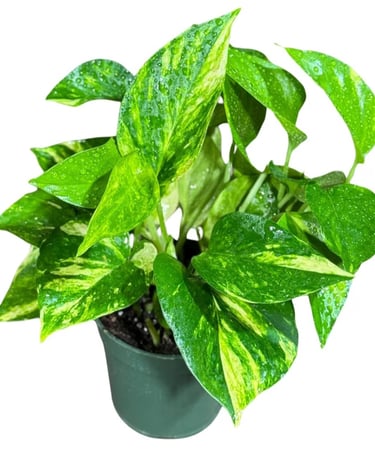
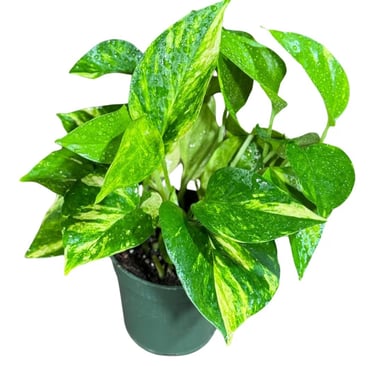
Peace lily (Spathiphyllum)
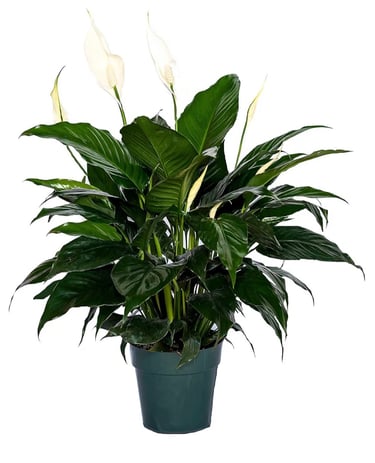
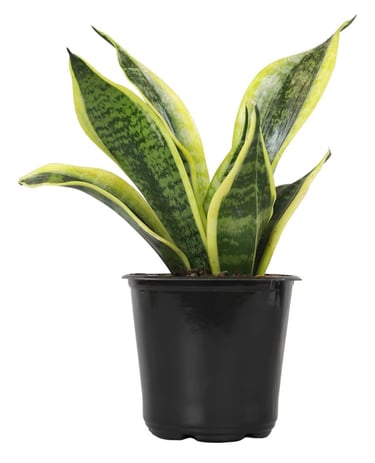
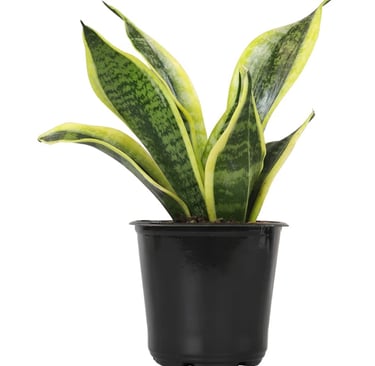
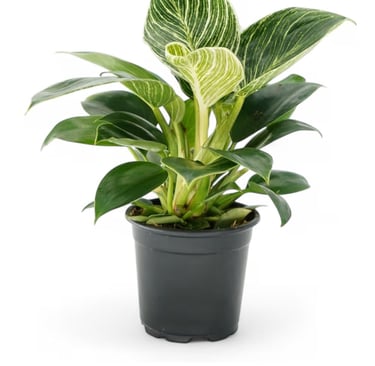
Snake plant (Sansevieria/Dracaena)
Philodendron (non-climbing varieties)
ZZ plant (Zamioculcas)
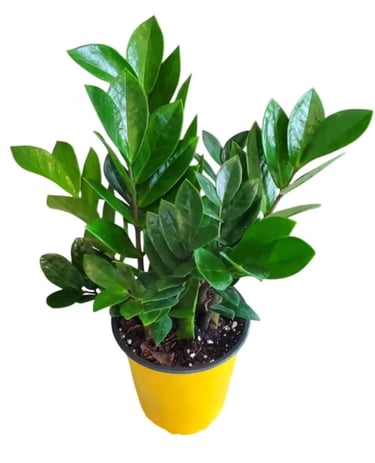
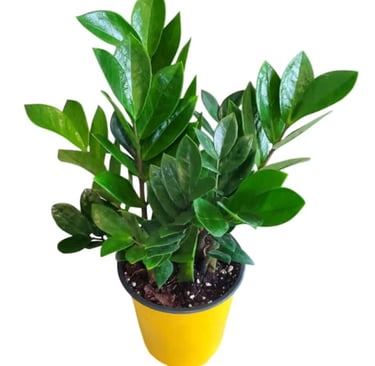
If you’re unsure which soil recipe to use, start with this balanced indoor mix. It is the most adaptable and forgiving option for common houseplants.
Everyday Indoor Plant Soil Mix Recipe (Balanced Houseplant Blend)
Most common foliage houseplants
Why This Recipe Works
Increase drainage (more pumice/perlite) if:
• Your soil stays wet for more than 5–7 days
• Fungus gnats are present
• Lower leaves yellow frequently
Increase moisture retention (slightly more coir) if:
• Soil dries out within 2–3 days
• Leaves wilt quickly between waterings
• Your home has low humidity or strong airflow
Avoid adding heavy compost or garden soil to indoor container mixes.
Not every indoor plant requires a chunky aroid mix or a sharply draining desert blend. Many common houseplants thrive in a balanced soil recipe that retains moderate moisture while still allowing proper airflow to prevent root rot.
This everyday indoor plant soil mix recipe is designed for foliage plants that prefer consistent but not excessive hydration.
Recommended Ratio:
• 40% High-Quality Potting Soil
• 25% Buffered Coco Coir
• 20% Horticultural Pumice or Perlite
• 10% Orchid Bark (Optional, for added aeration)
• 5% Worm Castings
This creates a structured but moisture-balanced mix that supports steady root development without becoming dense or waterlogged.
Potting soil provides foundational nutrients and microbial activity.
Coco coir improves moisture retention while reducing compaction.
Pumice and/or perlite increases drainage and oxygen flow.
Orchid bark (optional) prevents long-term density in container soil.
Worm castings supply gentle, slow-release nutrients for foliage growth.
The result is a mix that dries evenly and supports stable watering cycles for most indoor plants.
Best Plants for This Balanced Soil Mix
When to Adjust the Ratio
Pro Tip
Pothos (Epipremnum aureum)
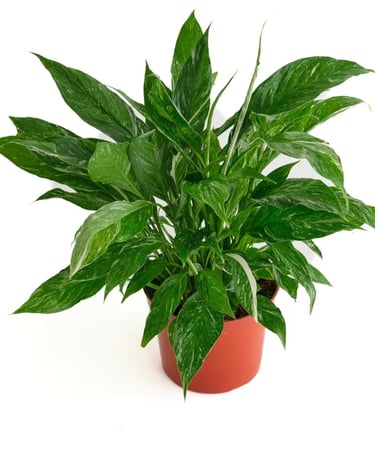
Variegated Peace lily (Spathiphyllum)
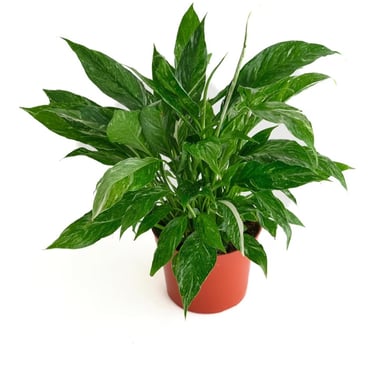
Snake plant (Sansevieria/Dracaena)
Philodendron (non-climbing varieties)
ZZ plant (Zamioculcas)
This mix is ideal for plants that prefer moderate moisture and do not require extreme drainage.
If you’re unsure which soil recipe to use, start with this balanced indoor mix. It is the most adaptable and forgiving option for common houseplants.
Sphagnum moss is not a full soil replacement for most indoor plants, but it plays an important role in propagation, root rehabilitation, and humidity-based support systems like moss poles.
Because sphagnum retains moisture while still allowing airflow between fibers, it creates a stable environment for root development — especially during recovery or transition phases.
Sphagnum Moss Mix Recipe (For Propagation, Root Recovery & Humidity Support)
For propagation or root rehab:
100% Long-Fiber Sphagnum Moss (Pre-Soaked & Squeezed Damp)
For partial soil blending (humidity boost mix):
• 50% Sphagnum Moss
• 30% Orchid Bark
• 20% Pumice or Perlite
Sphagnum should always be hydrated before use and squeezed so it is damp, not dripping.
Recommended Preparation Ratio
Why This Recipe Works
Long-fiber sphagnum retains consistent moisture without becoming compacted.
Air pockets between fibers reduce suffocation risk.
It supports aerial root attachment when used in moss poles.
It encourages new root growth during propagation.
This makes it ideal for plants recovering from root rot or transitioning from water propagation to soil.
Best Uses for Sphagnum Moss
• Root recovery after rot treatment
• Monstera and aroid propagation
• Moss pole filling
• Alocasia humidity stabilization
• Carnivorous plants (with species-specific care)
Sphagnum is especially effective when maintaining consistent but controlled moisture levels.
Important Considerations
• Never pack moss tightly; compaction reduces airflow.
• Avoid keeping sphagnum constantly saturated.
• Monitor for mold growth in low-airflow environments.
• Transition plants from pure moss to soil gradually when roots are established.
Sphagnum is a temporary support system in many cases — not a permanent growing medium for most houseplants.
Pro Tip:
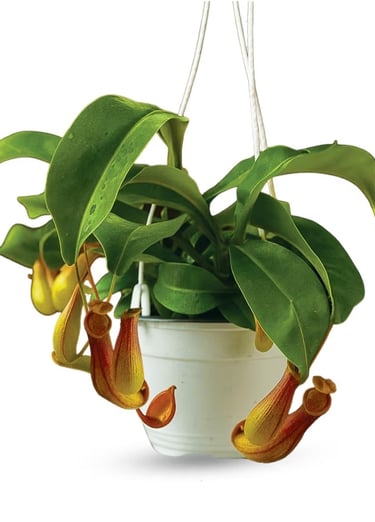
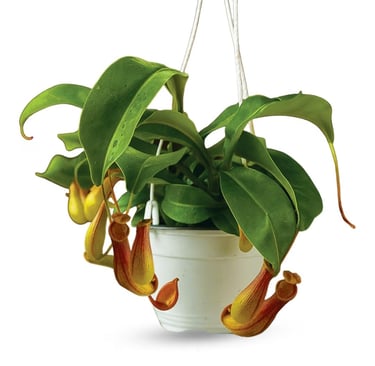
Nepenthes alata
Nepenthes alata (Tropical Pitcher Plant) thrives long-term in sphagnum-based mixes due to its natural preference for airy, acidic, low-nutrient environments. Long-fiber sphagnum moss retains moisture while allowing oxygen to reach the roots, preventing compaction and supporting healthy pitcher development. This makes it an ideal plant for sphagnum-dominant soil recipes.


Sphagnum should feel like a wrung-out sponge — evenly damp but never dripping. If water runs when you squeeze it, it’s too saturated and increases the risk of rot or mold.
Sphagnum moss is not a full soil replacement for most indoor plants, but it plays an important role in propagation, root rehabilitation, and humidity-based support systems like moss poles.
Because sphagnum retains moisture while still allowing airflow between fibers, it creates a stable environment for root development — especially during recovery or transition phases.
Sphagnum Moss Mix Recipe (For Propagation, Root Recovery & Humidity Support)
For propagation or root rehab:
100% Long-Fiber Sphagnum Moss (Pre-Soaked & Squeezed Damp)
For partial soil blending (humidity boost mix):
• 50% Sphagnum Moss
• 30% Orchid Bark
• 20% Pumice or Perlite
Sphagnum should always be hydrated before use and squeezed so it is damp, not dripping.
Recommended Preparation Ratio
Why This Recipe Works
Long-fiber sphagnum retains consistent moisture without becoming compacted.
Air pockets between fibers reduce suffocation risk.
It supports aerial root attachment when used in moss poles.
It encourages new root growth during propagation.
This makes it ideal for plants recovering from root rot or transitioning from water propagation to soil.
Best Uses for Sphagnum Moss
• Root recovery after rot treatment
• Monstera and aroid propagation
• Moss pole filling
• Alocasia humidity stabilization
• Carnivorous plants (with species-specific care)
Sphagnum is especially effective when maintaining consistent but controlled moisture levels.
Important Considerations
• Never pack moss tightly; compaction reduces airflow.
• Avoid keeping sphagnum constantly saturated.
• Monitor for mold growth in low-airflow environments.
• Transition plants from pure moss to soil gradually when roots are established.
Sphagnum is a temporary support system in many cases — not a permanent growing medium for most houseplants.
Pro Tip:
Nepenthes alata
Nepenthes alata (Tropical Pitcher Plant) thrives long-term in sphagnum-based mixes due to its natural preference for airy, acidic, low-nutrient environments. Long-fiber sphagnum moss retains moisture while allowing oxygen to reach the roots, preventing compaction and supporting healthy pitcher development. This makes it an ideal plant for sphagnum-dominant soil recipes.


Sphagnum should feel like a wrung-out sponge — evenly damp but never dripping. If water runs when you squeeze it, it’s too saturated and increases the risk of rot or mold.
LECA Semi-Hydro Setup Recipe
LECA (Lightweight Expanded Clay Aggregate) is a semi-hydro growing method that replaces traditional soil with clay pellets and a controlled water reservoir. It allows roots to access moisture through capillary action while maintaining high oxygen levels around the root system.
This system works especially well for Alocasias, Hoyas, Philodendrons, and transitioning water-propagated plants.
Basic LECA Setup Recipe:
100% Rinsed, Soaked LECA Clay Pellets (irregular size preferred for airflow)
Optional: Thin layer of activated charcoal at base
Diluted Hydroponic Nutrient Solution (¼ to ½ strength)
Preparation Steps
Rinse LECA thoroughly to remove dust.
Soak pellets in clean water for 12–24 hours before use.
Place a small layer of LECA at the bottom of a pot with drainage holes.
Position plant roots in center.
Fill around roots with LECA up to just below crown level.
Add a water reservoir so the bottom ¼–⅓ of pellets sit in nutrient solution.
Roots should not sit fully submerged. Moisture travels upward through capillary action.
Why This Recipe Works
• Clay pellets provide maximum oxygen exposure.
• The reservoir system prevents top-watering errors.
• Semi-hydro reduces fungus gnat risk.
• Controlled nutrient dosing improves consistency.
Best Plants for LECA
Monstera (during transition phase)
Use LECA if:
• You struggle with overwatering
• You want better root oxygen flow
• You prefer semi-hydro systems
• You want visible root monitoring in clear pots
Plants transitioning to LECA should have all soil gently removed from roots.
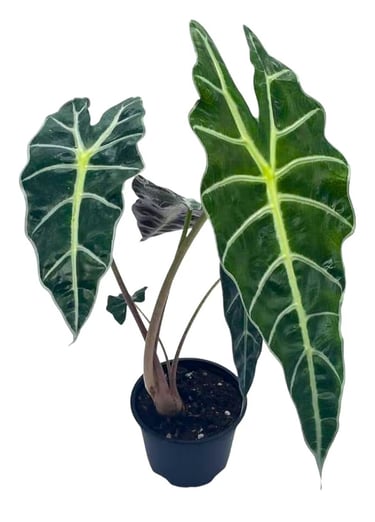
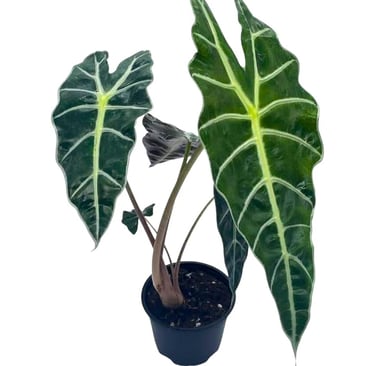
Alocasia Polly
Important Considerations
• Always flush LECA monthly to prevent salt buildup.
• Monitor reservoir levels visually in clear containers.
• Transition soil roots slowly by rinsing soil off thoroughly.
• Never allow the entire root mass to sit submerged.
Pro Tip:
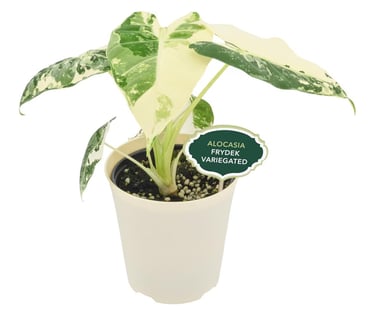
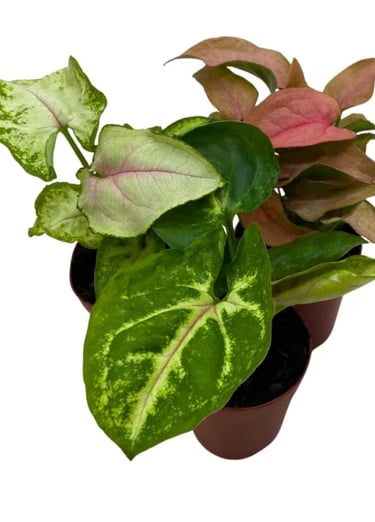
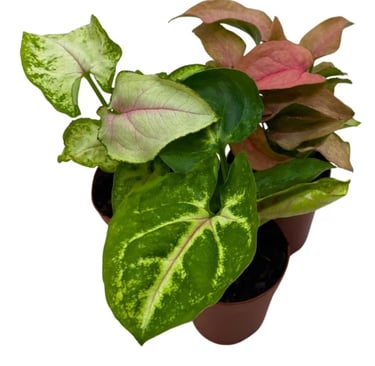
Arrowhead plant (Syngonium podophyllum)
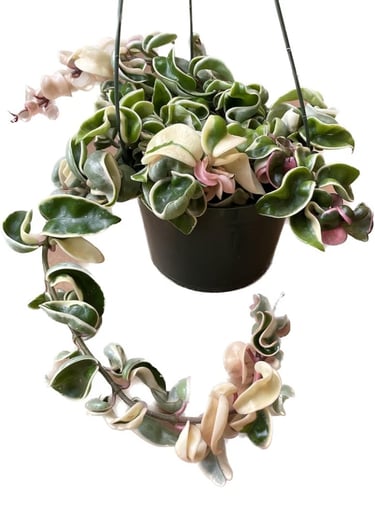
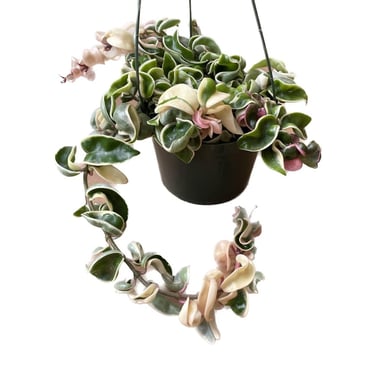
Hoya Carnosa
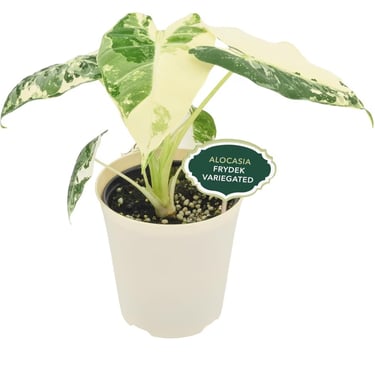
Alocasia Frydek
Clear inner pots make LECA dramatically easier. You can see root growth, water levels, and early signs of rot before problems escalate.
LECA Semi-Hydro Setup Recipe
LECA (Lightweight Expanded Clay Aggregate) is a semi-hydro growing method that replaces traditional soil with clay pellets and a controlled water reservoir. It allows roots to access moisture through capillary action while maintaining high oxygen levels around the root system.
This system works especially well for Alocasias, Hoyas, Philodendrons, and transitioning water-propagated plants.
Basic LECA Setup Recipe:
100% Rinsed, Soaked LECA Clay Pellets (irregular size preferred for airflow)
Optional: Thin layer of activated charcoal at base
Diluted Hydroponic Nutrient Solution (¼ to ½ strength)
Preparation Steps
Rinse LECA thoroughly to remove dust.
Soak pellets in clean water for 12–24 hours before use.
Place a small layer of LECA at the bottom of a pot with drainage holes.
Position plant roots in center.
Fill around roots with LECA up to just below crown level.
Add a water reservoir so the bottom ¼–⅓ of pellets sit in nutrient solution.
Roots should not sit fully submerged. Moisture travels upward through capillary action.
Why This Recipe Works
• Clay pellets provide maximum oxygen exposure.
• The reservoir system prevents top-watering errors.
• Semi-hydro reduces fungus gnat risk.
• Controlled nutrient dosing improves consistency.
Best Plants for LECA
Monstera (during transition phase)
Use LECA if:
• You struggle with overwatering
• You want better root oxygen flow
• You prefer semi-hydro systems
• You want visible root monitoring in clear pots
Plants transitioning to LECA should have all soil gently removed from roots.
Alocasia Polly
Important Considerations
• Always flush LECA monthly to prevent salt buildup.
• Monitor reservoir levels visually in clear containers.
• Transition soil roots slowly by rinsing soil off thoroughly.
• Never allow the entire root mass to sit submerged.
Pro Tip:
Arrowhead plant (Syngonium podophyllum)
Hoya Carnosa
Alocasia Frydek
Clear inner pots make LECA dramatically easier. You can see root growth, water levels, and early signs of rot before problems escalate.
Signs Your Soil Needs Improvement
Even the best DIY indoor plant soil mix needs adjustments over time. Soil isn’t static — it compacts, breaks down, and shifts in nutrient availability.
Here are clear signs your soil recipe may need refinement:
• Soil Stays Wet for Too Long.
• If the top inch remains damp for more than 5–7 days (for most houseplants), drainage may be insufficient.
Adjustment: Increase pumice, perlite, or orchid bark for better aeration.
• Soil Dries Out Extremely Fast.
• If leaves droop within 24–48 hours after watering, moisture retention may be too low.
Adjustment: Add more coco coir or organic compost to improve water-holding capacity.
• Yellowing Leaves Without Overwatering
• If growth is pale or stalled, nutrients may be depleted.
Adjustment: Supplement with diluted fertilizer or refresh soil blend.
• Compacted, Dense Soil
• If soil feels heavy and root-bound when repotting, airflow is restricted.
Adjustment: Incorporate chunkier materials like bark or pumice.
• Fungus Gnats Persist
• Overly organic, waterlogged mixes can attract gnats.
Adjustment: Improve drainage and allow top layer to dry fully between waterings.
Pro Tip:


Healthy soil should smell earthy and neutral. Sour or musty odors indicate low-oxygen conditions and possible root rot.
Signs Your Soil Needs Improvement
Even the best DIY indoor plant soil mix needs adjustments over time. Soil isn’t static — it compacts, breaks down, and shifts in nutrient availability.
Here are clear signs your soil recipe may need refinement:
• Soil Stays Wet for Too Long.
• If the top inch remains damp for more than 5–7 days (for most houseplants), drainage may be insufficient.
Adjustment: Increase pumice, perlite, or orchid bark for better aeration.
• Soil Dries Out Extremely Fast.
• If leaves droop within 24–48 hours after watering, moisture retention may be too low.
Adjustment: Add more coco coir or organic compost to improve water-holding capacity.
• Yellowing Leaves Without Overwatering
• If growth is pale or stalled, nutrients may be depleted.
Adjustment: Supplement with diluted fertilizer or refresh soil blend.
• Compacted, Dense Soil
• If soil feels heavy and root-bound when repotting, airflow is restricted.
Adjustment: Incorporate chunkier materials like bark or pumice.
• Fungus Gnats Persist
• Overly organic, waterlogged mixes can attract gnats.
Adjustment: Improve drainage and allow top layer to dry fully between waterings.
Pro Tip:

Healthy soil should smell earthy and neutral. Sour or musty odors indicate low-oxygen conditions and possible root rot.
Fertilizer Tips for DIY Soil Users
DIY soil mixes provide structure, drainage, and initial nutrients — but most indoor plants still require supplemental feeding over time.
Organic components like worm castings offer a gentle nutrient base, but active growers such as monsteras, alocasias, and pothos typically benefit from additional feeding during the growing season.
Choosing the right fertilizer depends on plant type, soil composition, and watering method. I’ll be sharing a detailed breakdown of fertilizer options and feeding schedules soon.
Fertilizer Tips for DIY Soil Users
DIY soil mixes provide structure, drainage, and initial nutrients — but most indoor plants still require supplemental feeding over time.
Organic components like worm castings offer a gentle nutrient base, but active growers such as monsteras, alocasias, and pothos typically benefit from additional feeding during the growing season.
Choosing the right fertilizer depends on plant type, soil composition, and watering method. I’ll be sharing a detailed breakdown of fertilizer options and feeding schedules soon.
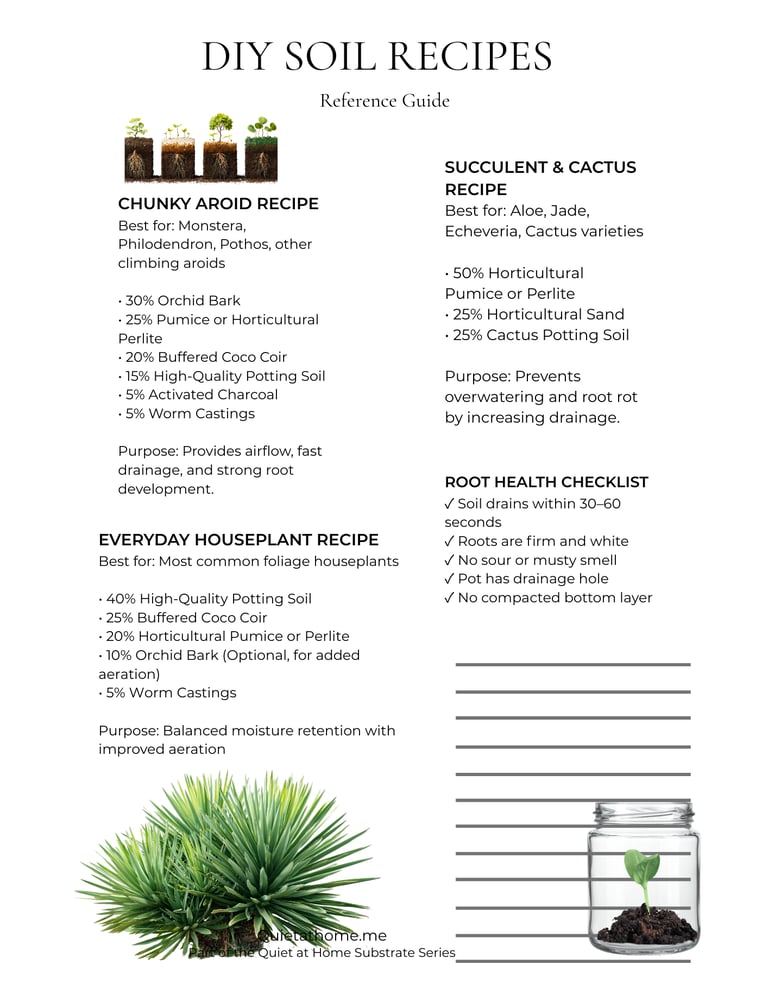
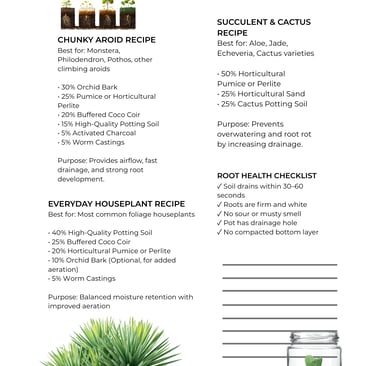
Download this free page from the DIY Soil Recipe Substrate Guide, part of the Quiet at Home Plant Care Reference Collection - a growing series of structured printable guides designed to help you build your own personalized plant care binder with confidence.
PLANT CARE PRINTABLE: DIY SOIL RECIPE GUIDE
FREE PRINTABLE
PLANT CARE PRINTABLE: DIY SOIL RECIPE GUIDE
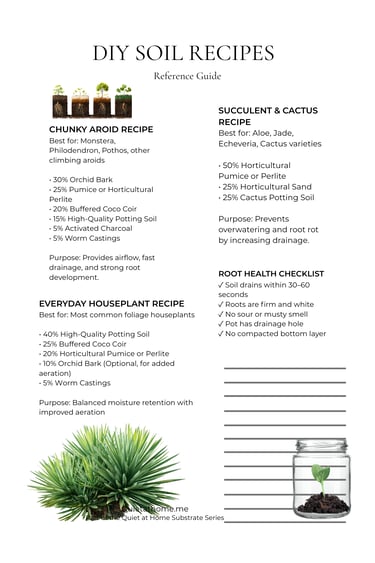
Download this free page from the DIY Soil Recipe Substrate Guide, part of the Quiet at Home Plant Care Reference Collection - a growing series of structured printable guides designed to help you build your own personalized plant care binder with confidence.
FREE PRINTABLE
Frequently Asked Questions
Can I use garden soil indoors?
No. Outdoor soil is too dense and often contains pests, pathogens, and weed seeds. Always use controlled, sterile components for indoor plant soil recipes.
Is coco coir better than peat moss?
Coco coir is renewable and more environmentally friendly. Peat moss retains moisture longer but compacts over time. Both can work when balanced properly.
Do I need charcoal in every mix?
No. Activated charcoal is optional. It supports filtration and airflow but is not mandatory for healthy roots.
Can I grow everything in LECA?
Not every plant thrives in semi-hydro. Some species prefer organic soil structure. Transition slowly and monitor root response.
How often should I repot plants with DIY soil?
Most houseplants benefit from refreshing soil every 12–18 months, or sooner if breakdown and compaction occur
Frequently Asked Questions
Can I use garden soil indoors?
No. Outdoor soil is too dense and often contains pests, pathogens, and weed seeds. Always use controlled, sterile components for indoor plant soil recipes.
Is coco coir better than peat moss?
Coco coir is renewable and more environmentally friendly. Peat moss retains moisture longer but compacts over time. Both can work when balanced properly.
Do I need charcoal in every mix?
No. Activated charcoal is optional. It supports filtration and airflow but is not mandatory for healthy roots.
Can I grow everything in LECA?
Not every plant thrives in semi-hydro. Some species prefer organic soil structure. Transition slowly and monitor root response.
How often should I repot plants with DIY soil?
Most houseplants benefit from refreshing soil every 12–18 months, or sooner if breakdown and compaction occur
Final Thoughts
Healthy plants begin below the surface.
When you understand how each ingredient functions — from drainage materials to organic nutrient sources — you gain control over root health, growth rate, and long-term stability.
This DIY indoor plant soil mix guide gives you structured recipes, scientific reasoning, and practical adjustments so you can confidently build customized soil for aroids, succulents, tropical plants, and semi-hydro setups.
Strong roots. Balanced moisture. Controlled nutrition.
Everything grows from there
Final Thoughts
Healthy plants begin below the surface.
When you understand how each ingredient functions — from drainage materials to organic nutrient sources — you gain control over root health, growth rate, and long-term stability.
This DIY indoor plant soil mix guide gives you structured recipes, scientific reasoning, and practical adjustments so you can confidently build customized soil for aroids, succulents, tropical plants, and semi-hydro setups.
Strong roots. Balanced moisture. Controlled nutrition.
Everything grows from there
Most of my favorite things ship for free with a Prime membership. If you haven't tried it, there's a free trial available here.
Most of my favorite things ship for free with a Prime membership. If you haven't tried it, there's a free trial available here.