

Succulent & Cactus Soil Mix: Fix Root Rot with Fast-Draining Soil
Valerie
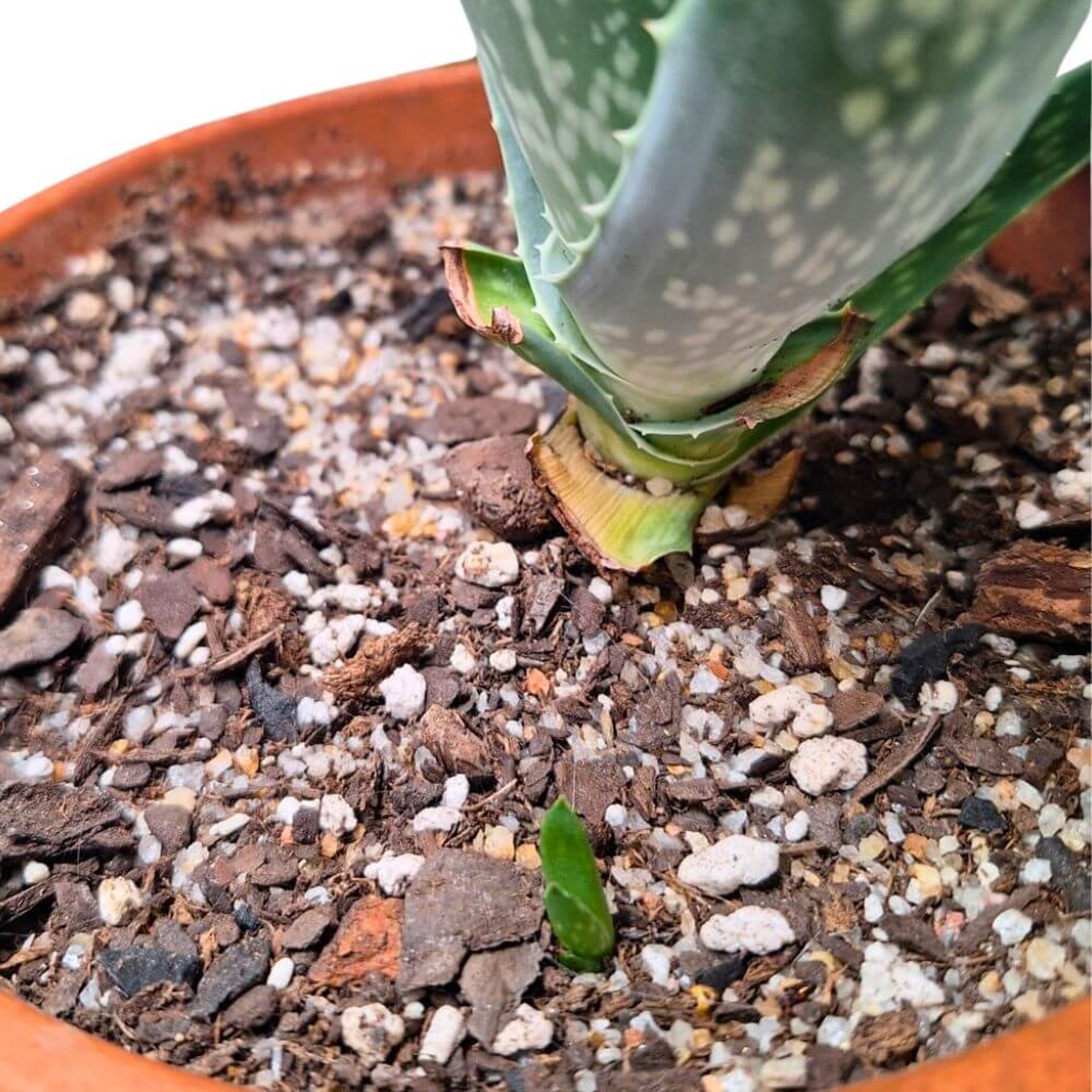

Succulents don’t fail because they’re difficult—they fail because they’re planted in soil that stays wet too long.
When soil holds too much water:
roots begin to rot below the surface
leaves turn soft, yellow, or translucent
plants collapse without warning
A proper succulent soil mix:
drains quickly after watering
allows oxygen to reach the roots
prevents overwatering—even if your watering isn’t perfect
If your soil isn’t right, no watering schedule will fix the problem.
Why Succulent Soil Mix Makes or Breaks Your Plant's Health
Most succulent problems aren't watering issues-they're soil problems you can't see.
Fast-Draining Succulent & Cactus Soil Mix Recipe
This succulent and cactus soil recipe prioritizes rapid drainage, airflow, and mineral stability to mimic arid growing conditions.
Recommended Ratio:
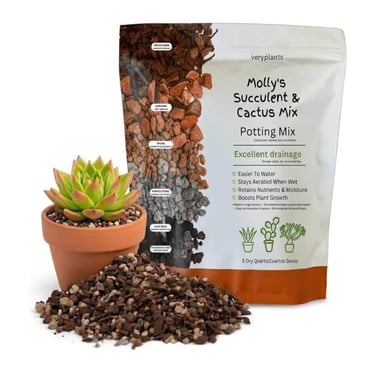
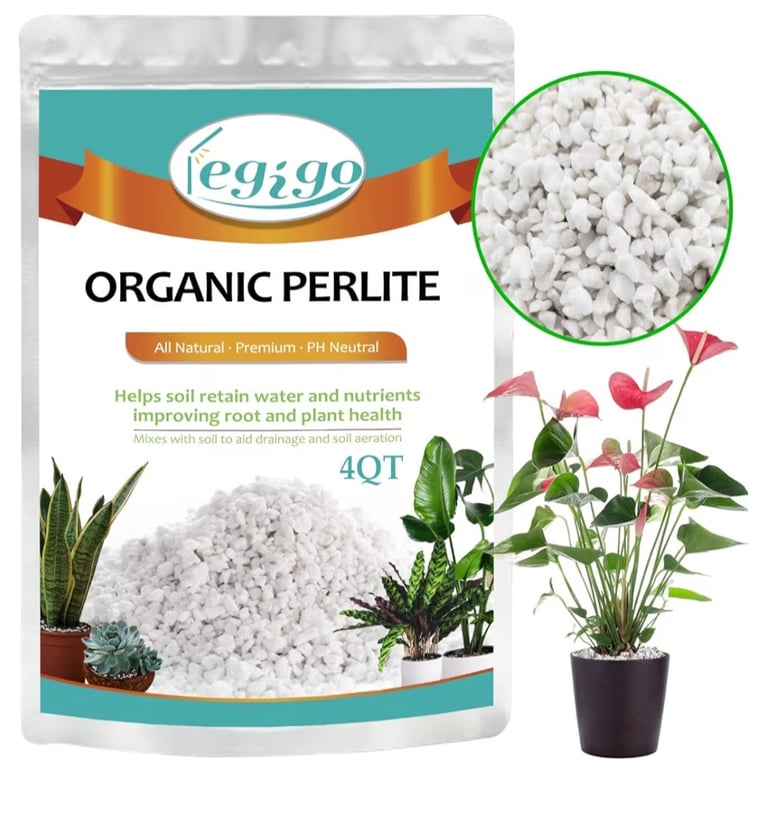
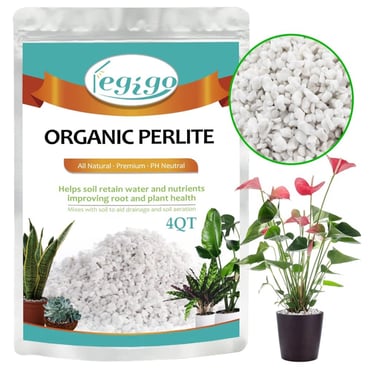
50% Horticultural Pumice or Perlite
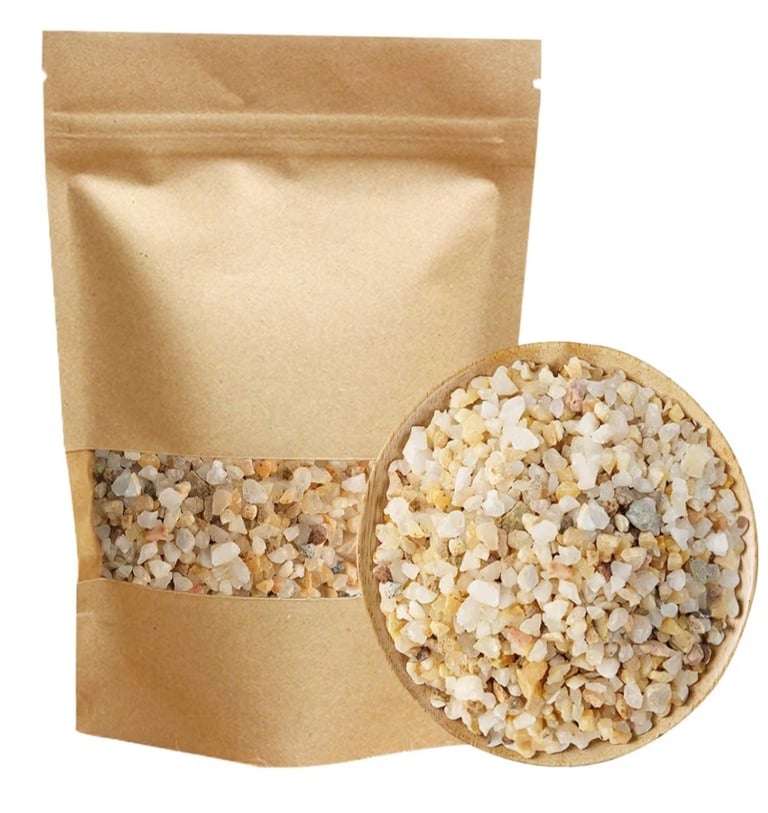
25% Horticultural Sand
25% Cactus Potting Soil
This ratio creates a gritty, fast-drying mix that prevents root suffocation.
Want exact measurements and ingredient ratios you can reuse? This printable soil guide makes it easy to build the right mix every time.
Pumice or perlite provides maximum drainage and prevents compaction.
Horticultural sand reduces water retention.
Potting soil adds organic matter for structure
The final texture should feel gritty and loose — not dense or muddy when wet.
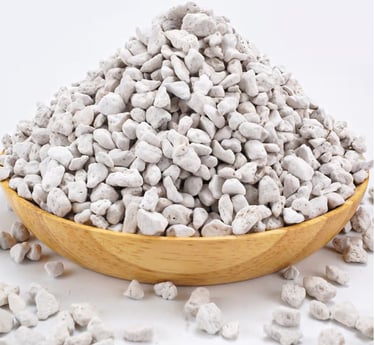
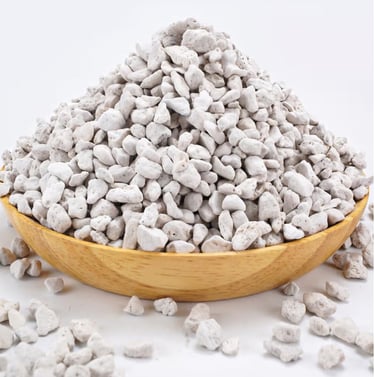
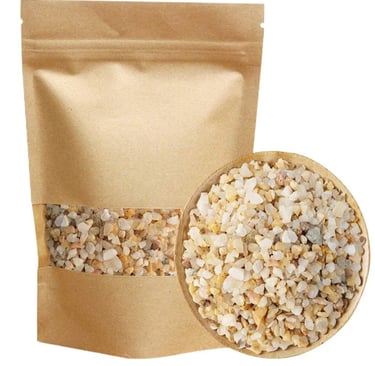
Why this mix works?

An ultra-gritty cactus soil mix built for maximum drainage and dry conditions. Ideal for cacti and drought-tolerant plants that need fast-drying soil to prevent rot and stress.
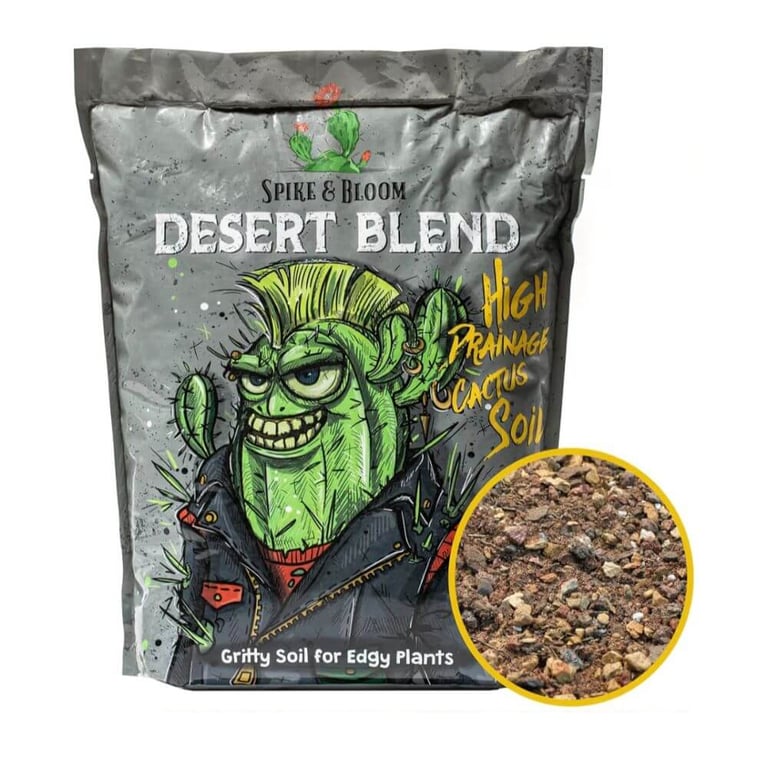
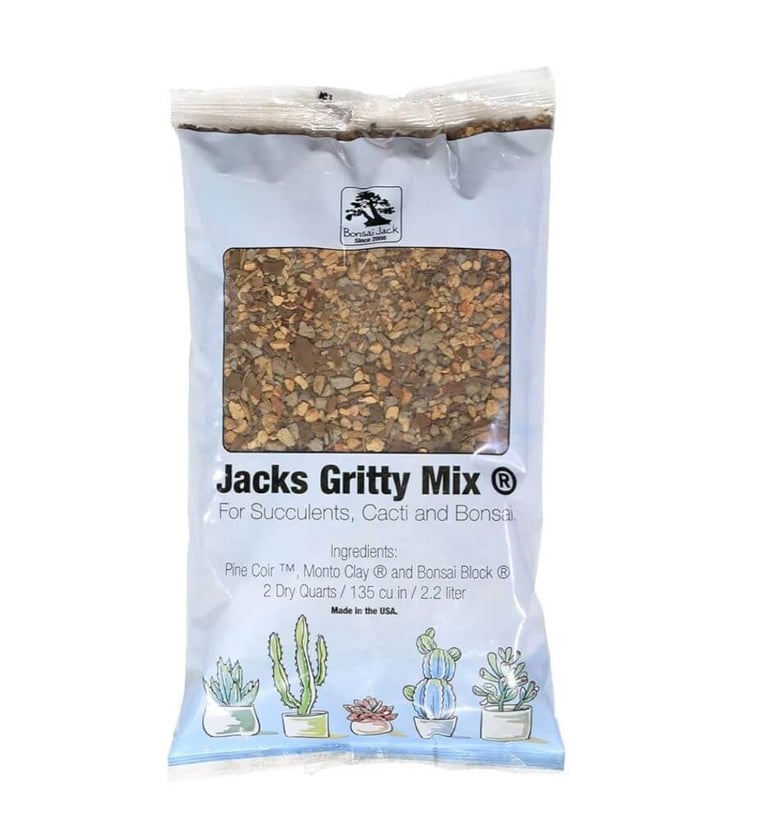
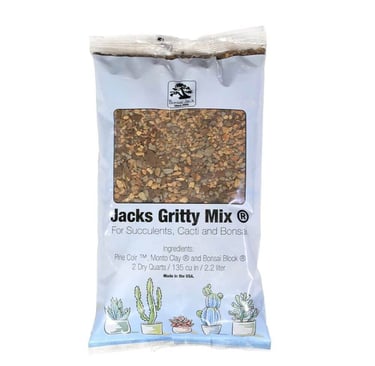
A premium gritty mix built for maximum drainage and airflow. Perfect for preventing overwatering and keeping succulents thriving in controlled indoor environments.
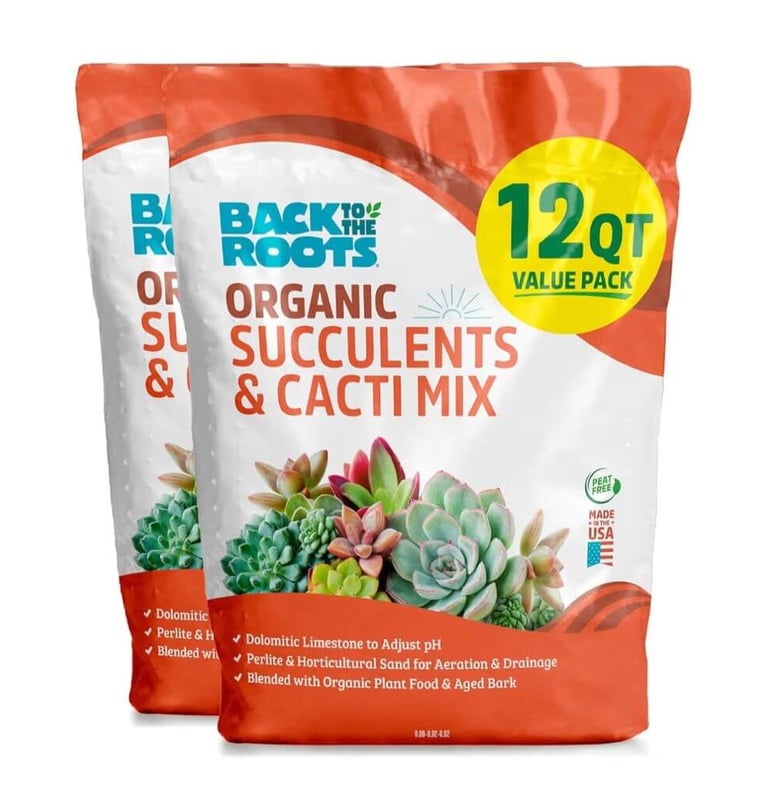
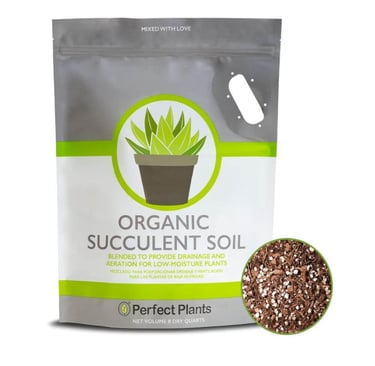
An easy-to-use organic mix designed for everyday succulent care. Provides a balance of drainage and moisture retention for stable, low-maintenance growth.
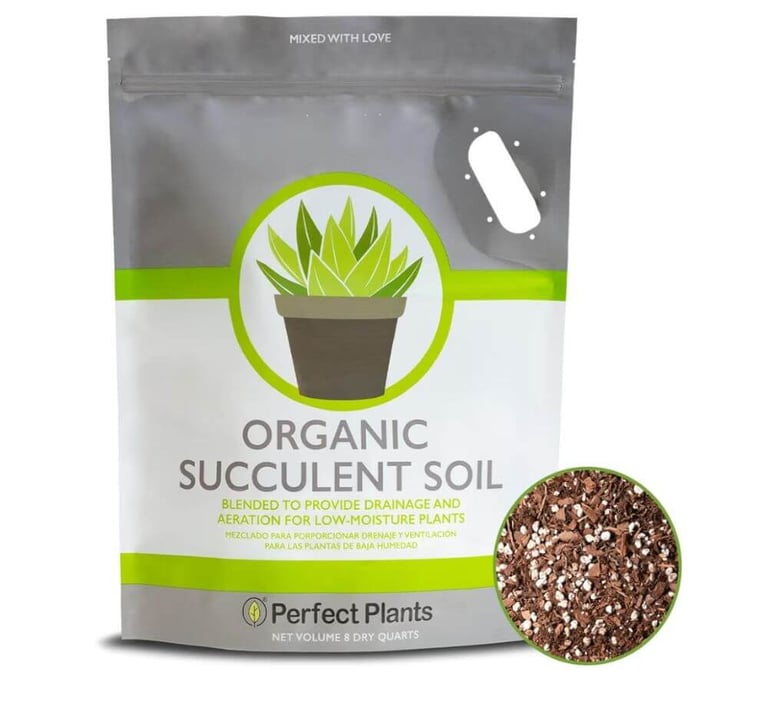
A balanced organic succulent soil blend with added aeration to support healthy root systems. Great for beginners looking for a reliable, ready-to-use mix.
Bonsai Jack Gritty Mix
Perfect Plants Organic Succulent Soil
Back to the Roots Organic Succulent Mix
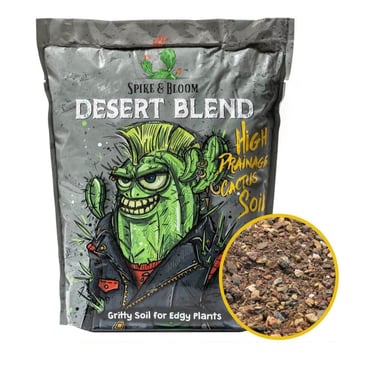
Spike & Bloom Desert Blend
Spike and Bloom Succulent Blend
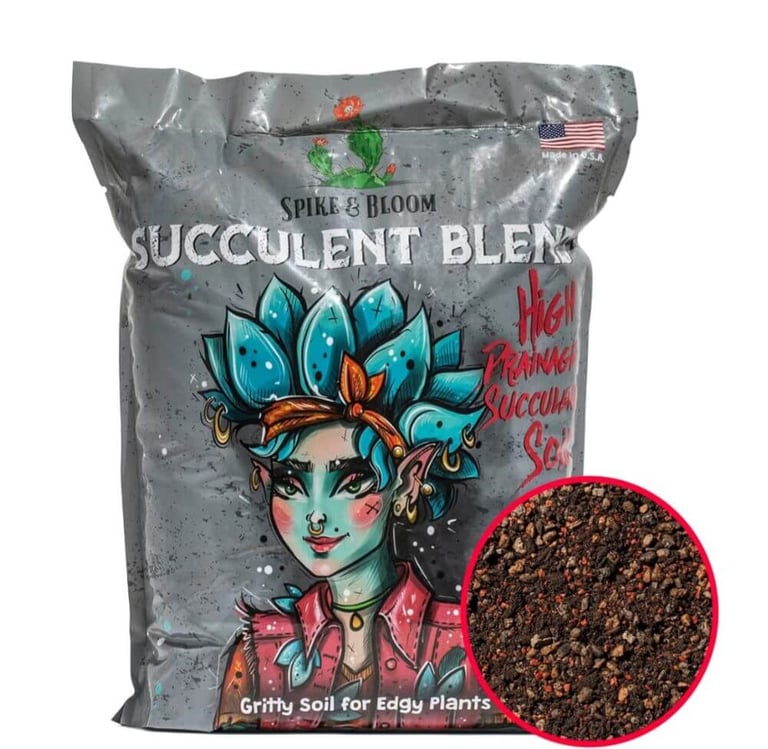
A high-drainage succulent blend designed to reduce overwatering risk and keep roots healthy. Best for indoor succulent setups where airflow and fast drying are critical.
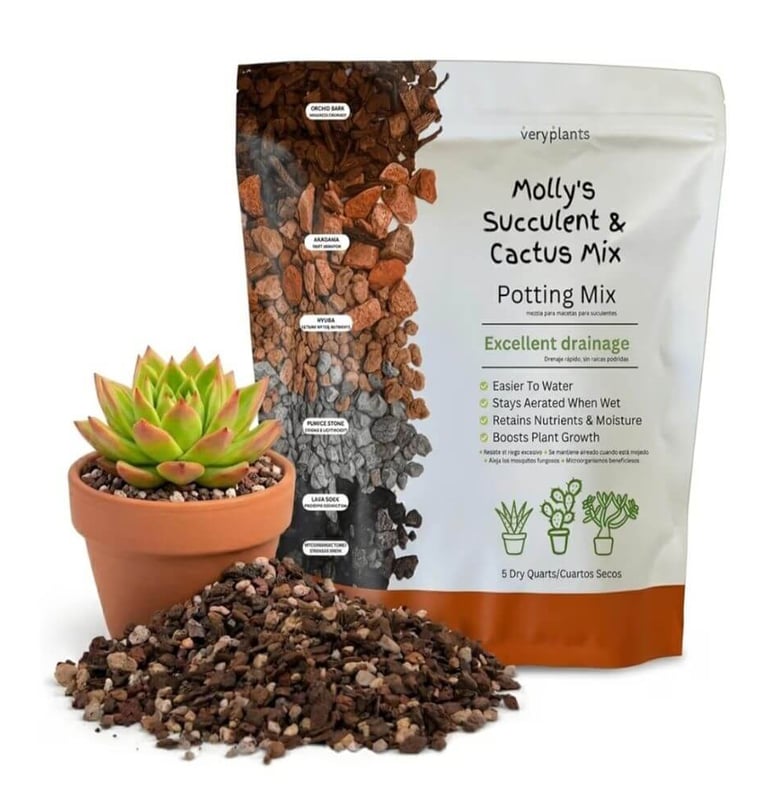
Not ready to mix your own soil yet? These premixed options are solid picks that drain well straight out of the bag. They won't be as customized as the recipe above, but they'll get your succulents and cacti in the right soil fast. Want better drainage long term? Grab my fast-draining recipe above and build it yourself.
Best Premixed Succulent & Cactus Soils (No DIY Required)

Best Succulents & Cacti for This Soil Mix
This cactus thrives in a gritty, fast-draining soil mix that mimics its natural desert environment. Proper aeration prevents moisture buildup and supports strong, upright growth.
Echeveria
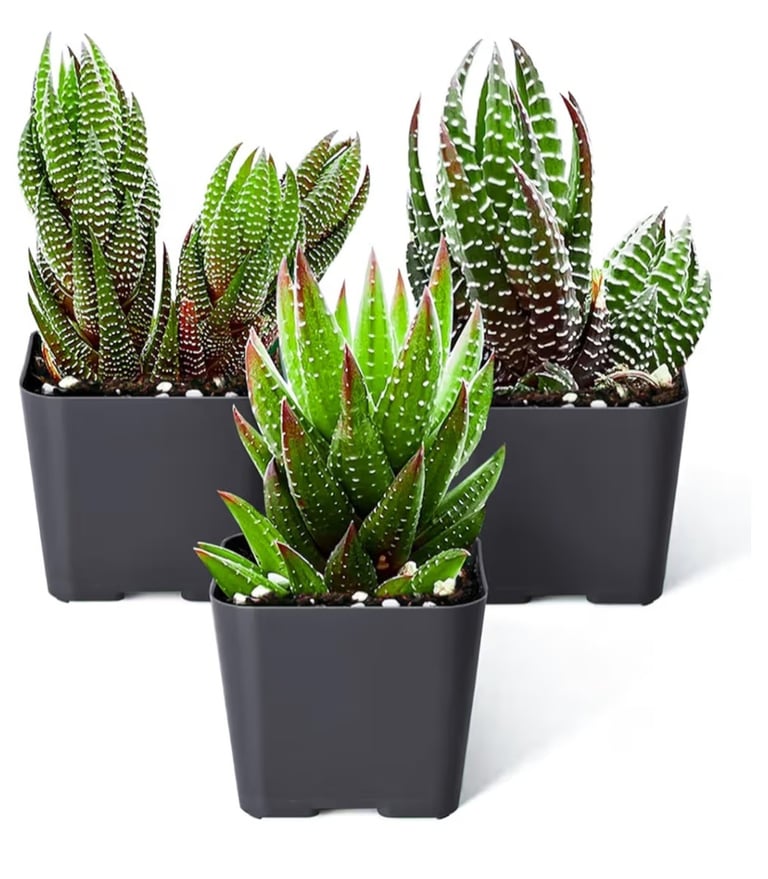
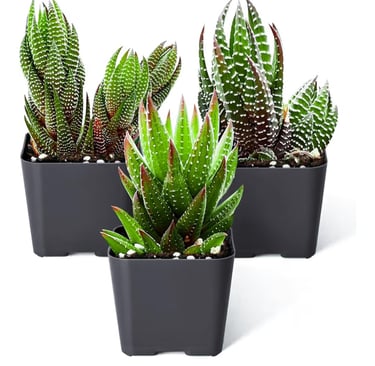
Haworthia
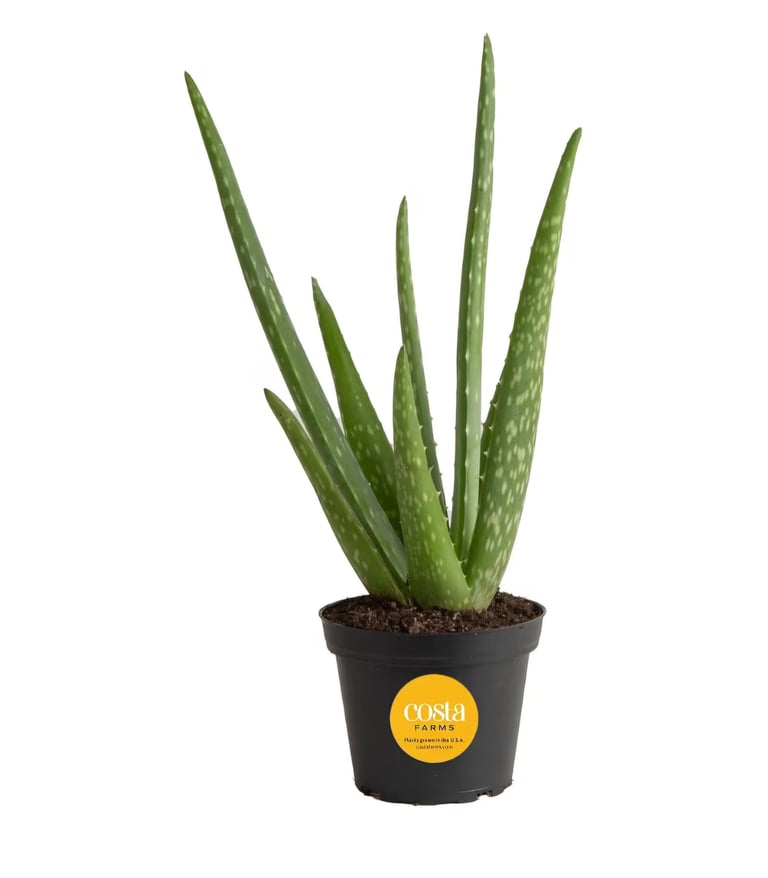
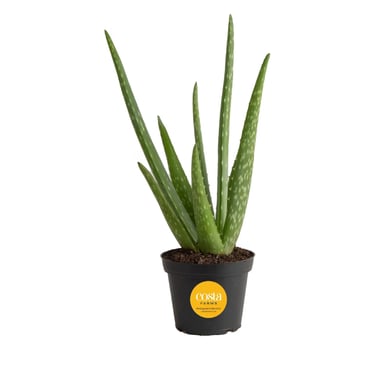
Aloe
Jade plant (Crassula)
Mexican fence post cactus (Pachycerus marginatus and most cacti species
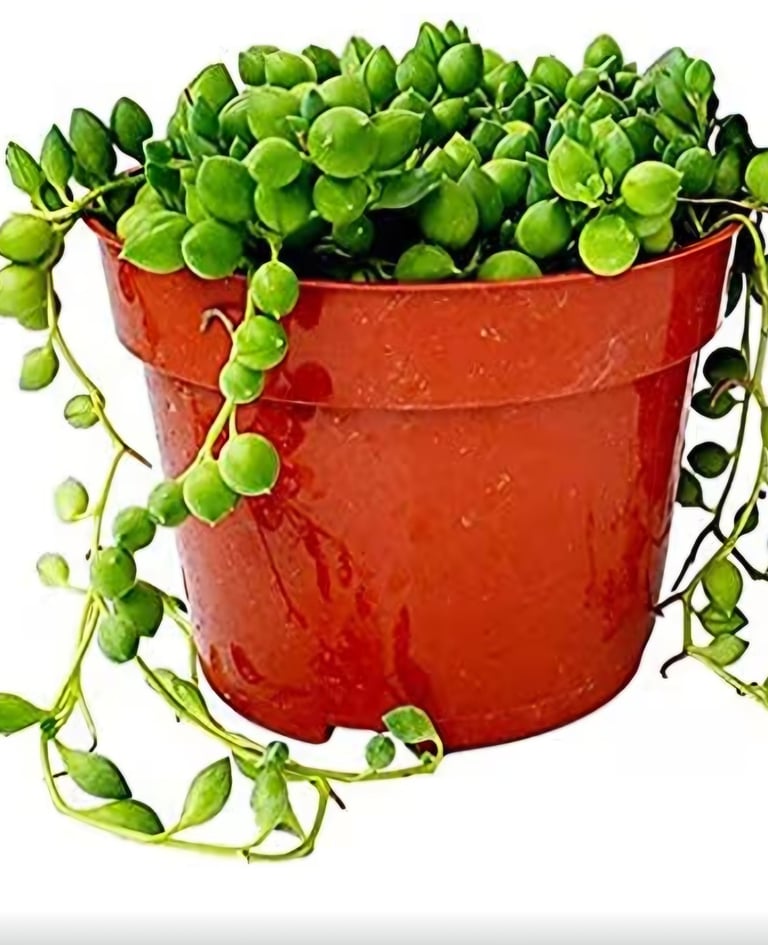
String of pearls
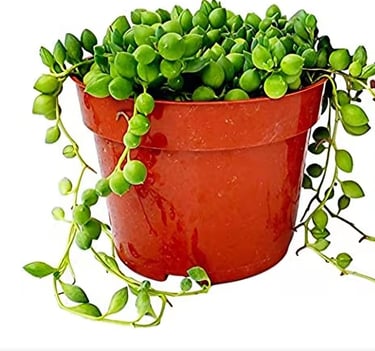
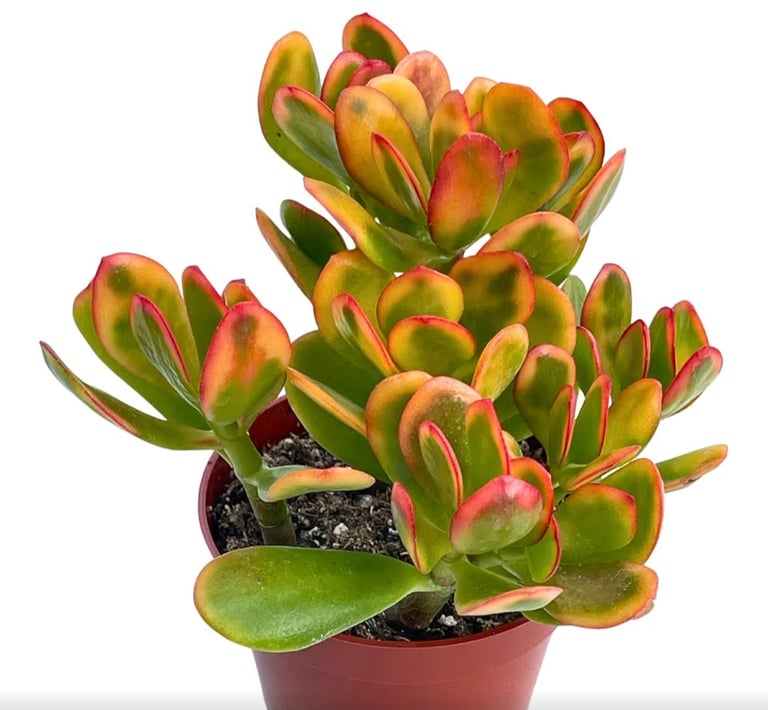
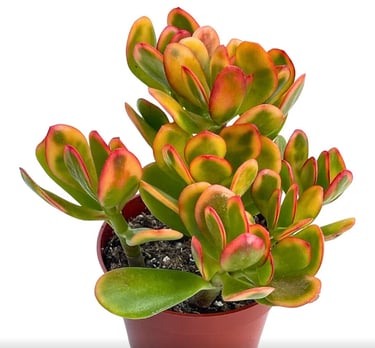
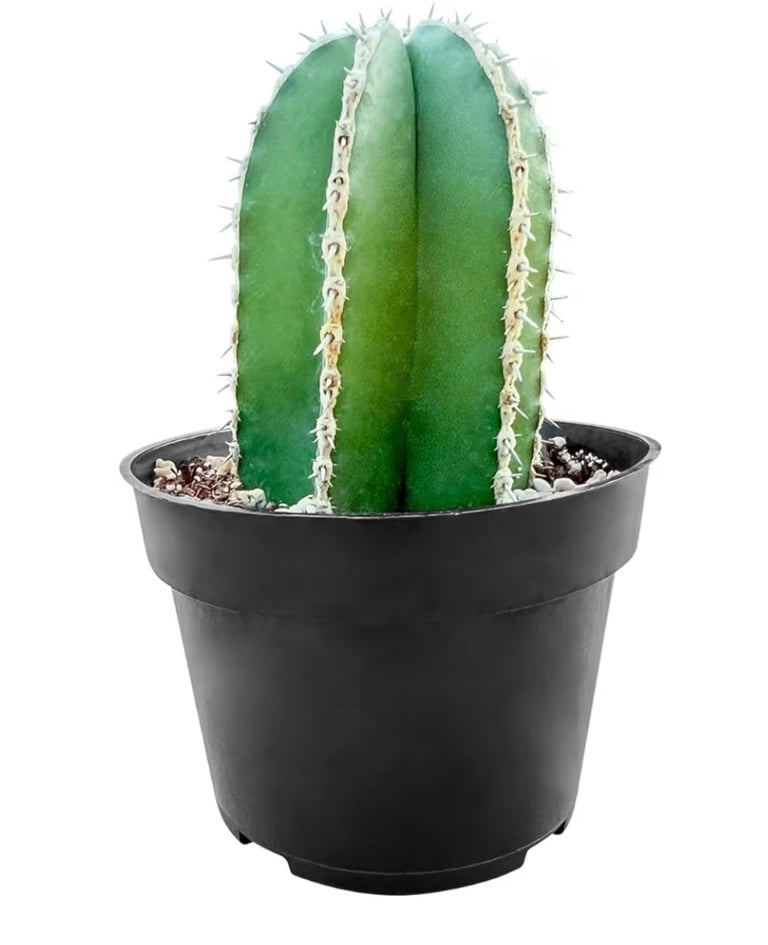
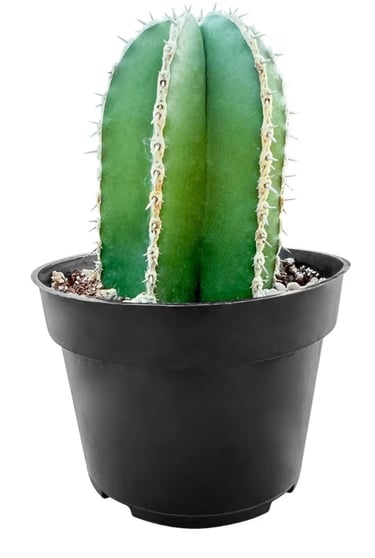
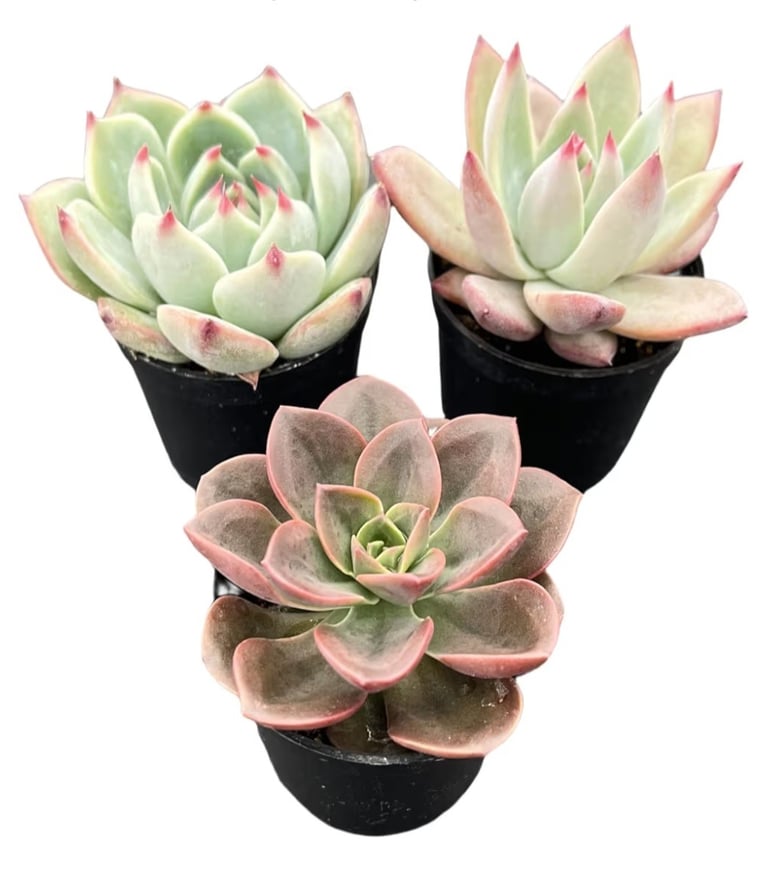
Succulents and cacti thrive in a fast-draining soil mix that prevents excess moisture from sitting around the roots. These plants are adapted to dry conditions and need a gritty, well-aerated blend to avoid root rot while supporting steady, healthy growth.
Echeveria thrives in a gritty, fast-draining soil mix that keeps moisture away from its delicate rosette roots. Proper drainage is key to preventing rot and maintaining its compact, healthy shape.
Haworthia prefers a well-draining soil mix that allows roots to dry out between waterings. Its compact root system is especially sensitive to excess moisture, making aeration essential.
Aloe plants need a sandy, fast-draining soil mix to prevent water from sitting at the roots. Proper drainage supports healthy growth and helps avoid the common issue of root rot.
Jade plants do best in a gritty soil mix that dries quickly and prevents overwatering. Their thick leaves store moisture, so excess water in the soil can quickly lead to root issues.
String of Pearls requires a very well-draining soil mix to prevent its shallow roots from staying wet. A chunky, aerated blend helps maintain the balance between moisture and airflow.
This mix is ideal for plants that require full drying between watering cycles.
Want to find the right plant for your setup?

Increase drainage (more pumice/sand) if:
You live in a humid climate.
Your pots lack airflow.
Your plant is showing rot issues.
Increase slight moisture retention (a bit more coir) if:
You live in an extremely dry environment
Your succulents show wrinkling quickly after watering
Avoid adding compost-heavy ingredients to desert mixes.
When to Adjust Your Succulent Soil Mix Ratio
Pro Tip
Always allow the soil to dry completely before rewatering. Succulent roots are designed for short bursts of moisture followed by extended dry periods
Signs Your Succulent Soil is Wrong (And How to Fix It)
If your succulents aren’t thriving, your soil is often the hidden issue.
Watch for these signs:
Leaves turning soft, mushy, or translucent
Yellowing leaves at the base
Soil staying wet for several days after watering
A musty or sour smell from the pot
Slow growth or sudden collapse
Stretching (etiolation) combined with weak roots
Healthy succulent soil should dry out quickly.
If it stays damp, compacted, or dense, it’s time to switch to a faster-draining mix.
Fix your plant step-by-step today.

How to Fertilize Succulents in Fast-Draining Soil
Get More Fertilizer Tips by Soil & Plant Type Here
Fast-draining soil flushes nutrients out faster than dense mixes, so fertilizing correctly actually matters more here, not less.
When to fertilize
Fertilize only during active growth — spring through early summer. Once growth slows in late summer, stop. Skip fall and winter completely.
What to use
Use a balanced fertilizer diluted to half strength, or one specifically formulated for succulents and cacti.
How to apply
Water your plant lightly first, then apply fertilizer to slightly moist — not dry, not soaked — soil. Applying to bone dry soil causes fertilizer burn.
Signs you're overfertilizing
Soft, leggy growth, pale color, and stretching are all signs of too much nitrogen. If you see this, flush the soil with plain water and skip the next two feeding cycles.
Succulents need a different fertilizing approach-timing and dilution matter.

How to Build a Better Succulent Soil Setup
A fast-draining succulent soil mix creates a stable foundation so your plants can thrive with less guesswork and fewer setbacks.
If you want to stay consistent with your plant care and avoid repeating the same issues, using simple tracking and care references can make a noticeable difference.
Keep all your plant care in one place—track watering, feeding, and growth so nothing gets missed.

Q: What is the best soil mix for succulents to prevent root rot?
A: The best succulent soil mix is 50% pumice or perlite, 25% horticultural sand, and 25% cactus potting mix. This fast-draining blend stops water from sitting around roots, which is the main cause of root rot in succulents and cacti.
Q: How do I know if my succulent soil is draining fast enough?
A: After watering, your succulent soil should dry out completely within 1-2 days. If it stays damp longer than that, your mix is too dense and needs more perlite or pumice to improve drainage.
Q: Can I use regular potting soil for succulents?
A: Regular potting soil holds too much moisture for succulents and cacti. It compacts over time and creates the wet conditions that cause root rot. Always use a fast-draining succulent-specific mix or amend regular soil heavily with perlite or pumice.
Q: How often should I fertilize succulents in a fast-draining soil mix?
A: Fertilize once a month during spring and early summer using a balanced fertilizer diluted to half strength. Stop fertilizing in late summer and skip fall and winter completely when succulents go dormant.
Q: Why are my succulent leaves turning soft and mushy?
A: Soft mushy leaves are the most common sign of an overwatered succulent. It usually means your soil isn't draining fast enough and roots are beginning to rot. Repot immediately into a fast-draining succulent soil mix and trim any black or mushy roots before replanting.
Q: Can I fix overwatered succulents or is it too late?
A: You can usually save an overwatered succulent if you catch it early. Unpot the plant, remove all old wet soil, trim rotted roots, and let the roots air dry for 24-48 hours. Then repot into a fresh fast-draining mix and wait a full week before watering again.
Q: What is the difference between pumice and perlite for succulent soil?
A: Both pumice and perlite improve drainage and aeration in succulent soil, but pumice is heavier and more stable long-term while perlite is lighter and can float to the surface over time. Either works well in this recipe — use whichever you can source easily.
Q: Should succulent soil be wet or dry when fertilizing?
A: Neither. Always fertilize succulents when the soil is slightly moist — not bone dry and not soaked. Fertilizing dry soil concentrates nutrients directly at the roots and causes fertilizer burn, especially in a porous fast-draining mix.
Succulent Soil Mix FAQs
Your soil mix is probably the problem


most potting mixes straight from the bag aren't cutting it. grab the free recipe guide and see exactly what your plants actually need.
Create a Reliable Indoor Plant Care Foundation
If your plant care feels inconsistent, your soil is often the starting point.
A balanced indoor soil mix gives you a stable foundation so watering becomes easier, roots stay healthy, and plants grow more predictably.
Instead of constantly adjusting your care routine, start with a mix that works with your environment.
Fix your plant setup + stay consistent →
Build a reliable plant system
Not sure what mix is right for you?
Ready to build your full plant setup?
Most of my favorite things ship for free with a Prime membership. If you haven't tried it, there's a free trial available here.