
The Best Indoor Plant Soil Mix Recipe | DIY Houseplant Guide
Valerie
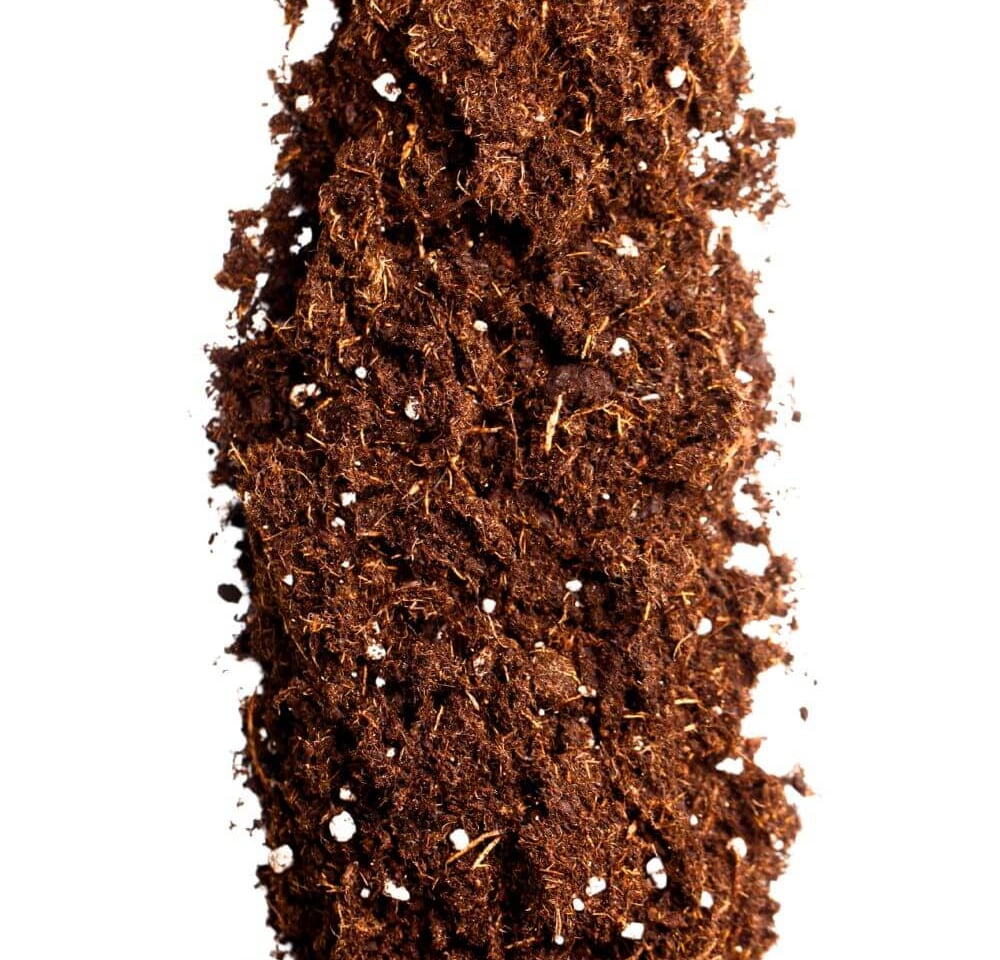
Why Most Indoor Plants Struggle in Regular Potting Soil
Standard potting soil is designed for outdoor containers and nursery production — not for pots that sit inside your home for years at a time. The problem isn't that it's "bad" soil. The problem is that it's wrong for the conditions indoor plants actually live in.
Here's what goes wrong:
It stays too wet, too long. Indoor pots have no rain, no wind, no sun baking the top layer dry. Without those forces, regular potting soil holds moisture for days — sometimes weeks — and roots sit in that wet environment until they rot.
It compacts over time. After six to twelve months, the peat or coir base in most bagged mixes breaks down into a dense, airless mass. Water starts channeling around the root ball instead of through it. The soil pulls away from the pot edges. Roots suffocate.
It doesn't drain consistently. One week the soil seems fine. The next, water pools on the surface and drains in thirty seconds, bypassing the roots completely. This is compaction and hydrophobic peat at work — not user error.
The result: Yellowing leaves, slow decline, root rot, and frustrated plant owners who blame themselves when the real issue was the soil from the start.

This recipe was built around one principle: indoor conditions are not outdoor conditions, and the soil has to match where the plant actually lives.
Every ingredient in this mix has a specific job:
High-quality potting soil
-provides the nutritional base and microbial life plants need to grow — but it's diluted enough here that it can't hold excess water on its own.
Buffered coco coir
-holds just enough moisture for roots to drink from, then releases it. It doesn't compact like peat, and buffering removes the salts that damage roots over time.
Horticultural pumice or perlite
-creates permanent air pockets in the mix. These don't break down. They keep the structure open and drainage fast no matter how old the soil gets.
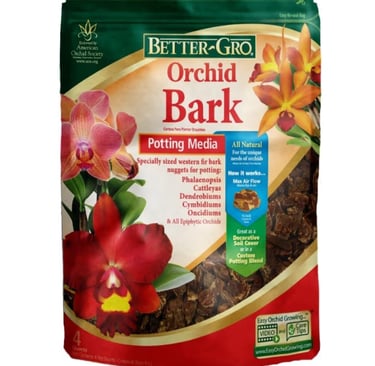
Orchid bark
-chunky aeration and mimics the naturalistic environment most tropical houseplants evolved in — open, fast-draining, with room for roots to breathe.
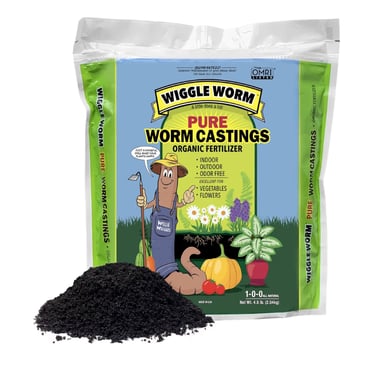
Worm castings
-a slow-release, gentle fertilizer that also improves soil structure and microbial activity. They feed your plants without the risk of burning roots.
Together, these five ingredients create a mix that drains fast, holds just enough moisture, stays loose over time, and keeps roots in the airy, breathable environment they thrive in.
Why This Indoor Soil Mix Works
Stop guessing with your plant care and build a system that actually works.

Everyday Indoor Plant Soil Mix Recipe (Balanced Houseplant Blend)
This is the baseline mix that works for the vast majority of common indoor houseplants — from pothos and monsteras to peace lilies and snake plants.
Recommended Ratio:
40% High-Quality Potting Soil
25% Buffered Coco Coir
20% Horticultural Pumice or Perlite
10% Orchid Bark (Optional, for added aeration)
5% Worm Castings
This creates a structured but moisture-balanced mix that supports steady root development without becoming dense or waterlogged.
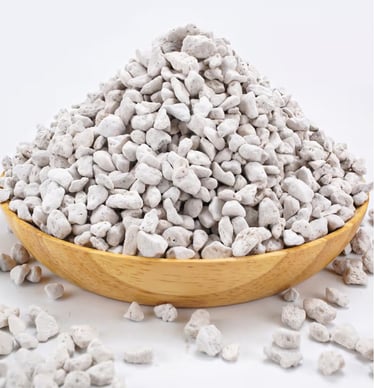
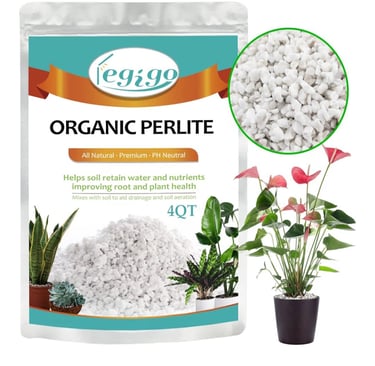
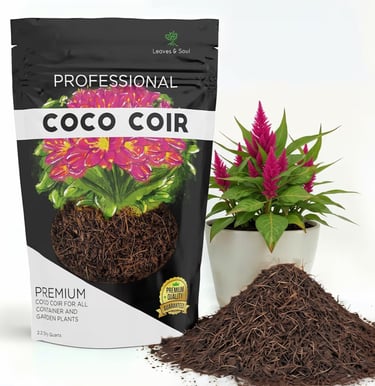
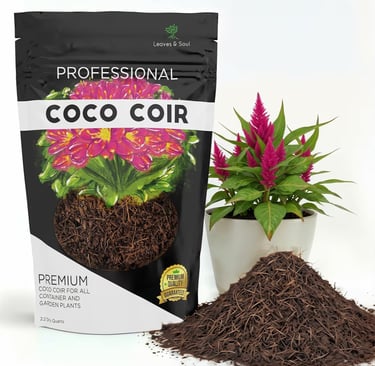
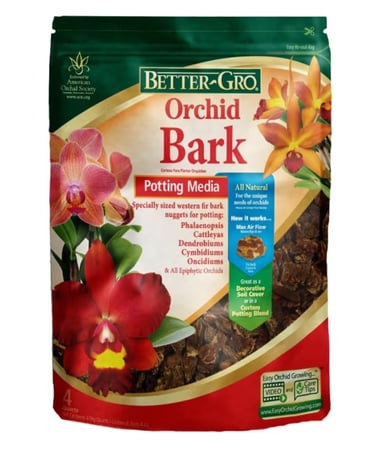
Pumice is a natural volcanic stone that improves drainage and airflow without breaking down over time. It keeps soil light and structured, making it ideal for preventing root rot in indoor plant mixes.
Orchid bark adds chunkiness to the mix, improving airflow and mimicking the loose, natural environments many indoor plants prefer. It’s especially important for plants that hate compact soil.
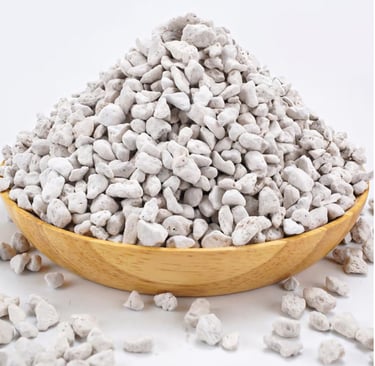
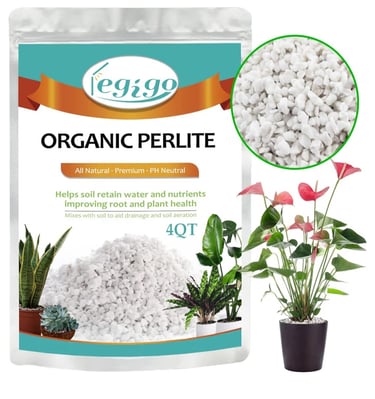
Perlite is a lightweight soil additive that boosts drainage and keeps roots from sitting in excess moisture. It helps prevent compacted soil, but breaks down over time, so it’s best used in mixes that are refreshed regularly.
Coco coir holds moisture without becoming heavy or compacted, helping your plants stay hydrated between waterings. It balances out the drainage materials so your soil doesn’t dry out too quickly.
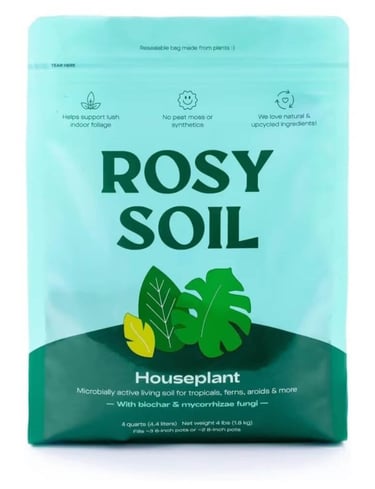
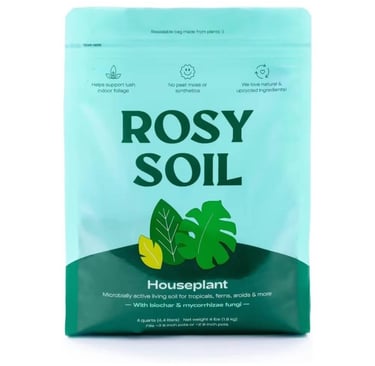
A balanced indoor potting mix designed for everyday houseplants. Provides consistent moisture with enough aeration to support healthy root growth without the overly chunky structure of specialty mixes.
Worm castings provide gentle, slow-release nutrients that support steady growth without overwhelming your plants. They enhance soil health and reduce the need for frequent fertilizing early on.
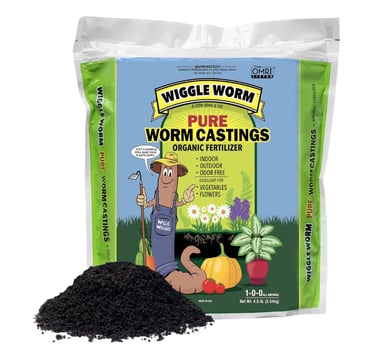
Organic Worm Castings
Orchid Bark
Horticultural Pumice
Horticultural Perlite
High-Quality Coco Coir
Rosy Soil Potting Soil
How to Mix
Start with your potting soil in a large bucket or tub.
Add coco coir that has been fully hydrated and wrung out to damp (not soggy).
Add pumice or perlite and work it evenly through the mix.
Break up any large orchid bark chunks and fold them in.
Add worm castings last and mix until distributed throughout.
The finished mix should feel loose and slightly springy, not dense or wet. Water should drain through within a few seconds.
Pro tip: Mix in batches and store extra in a sealed container for up to 6 months. Label it with the date.
This balanced blend works well for:
Beginner houseplants — Spider plant, snake plant (sansevieria), rubber tree, Chinese evergreen
Herbs grown indoors — Basil, mint, parsley (note: herbs may need slightly more frequent watering)
Ferns and humidity lovers — Boston fern, bird's nest fern, calathea, prayer plant
Want to explore more essential soil ingredients and upgrades?
This mix is ideal for plants that need balanced moisture, consistent drainage, and steady root support without drying out too quickly.
Best Plants for This Indoor Soil Mix
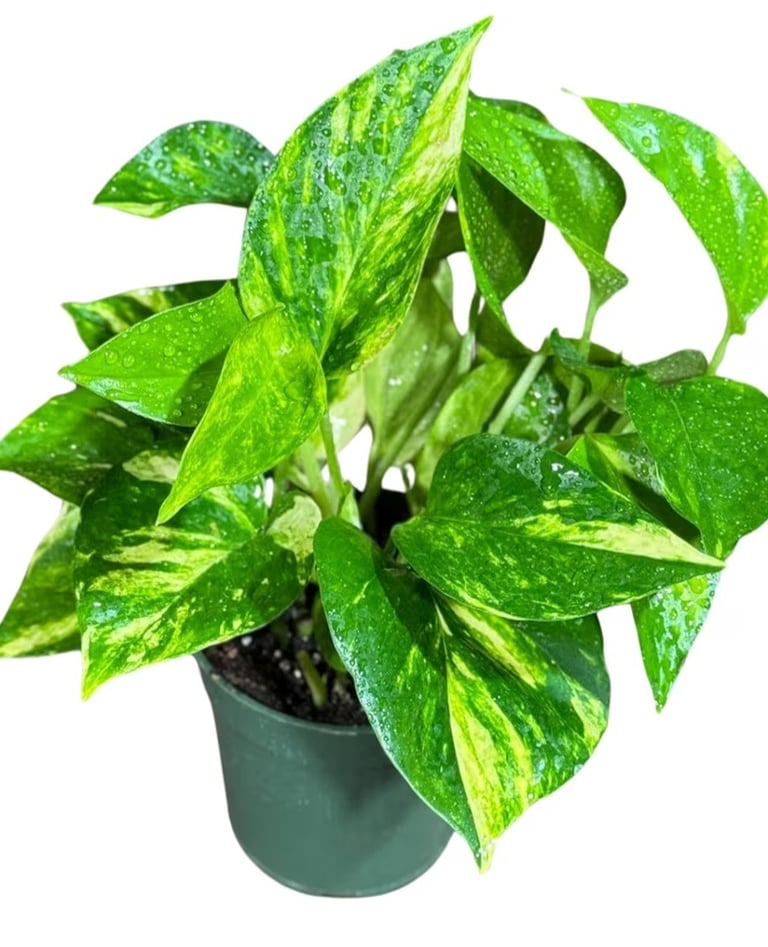
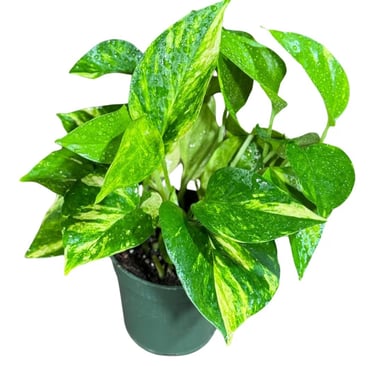
Pothos (Epipremnum Aureum)
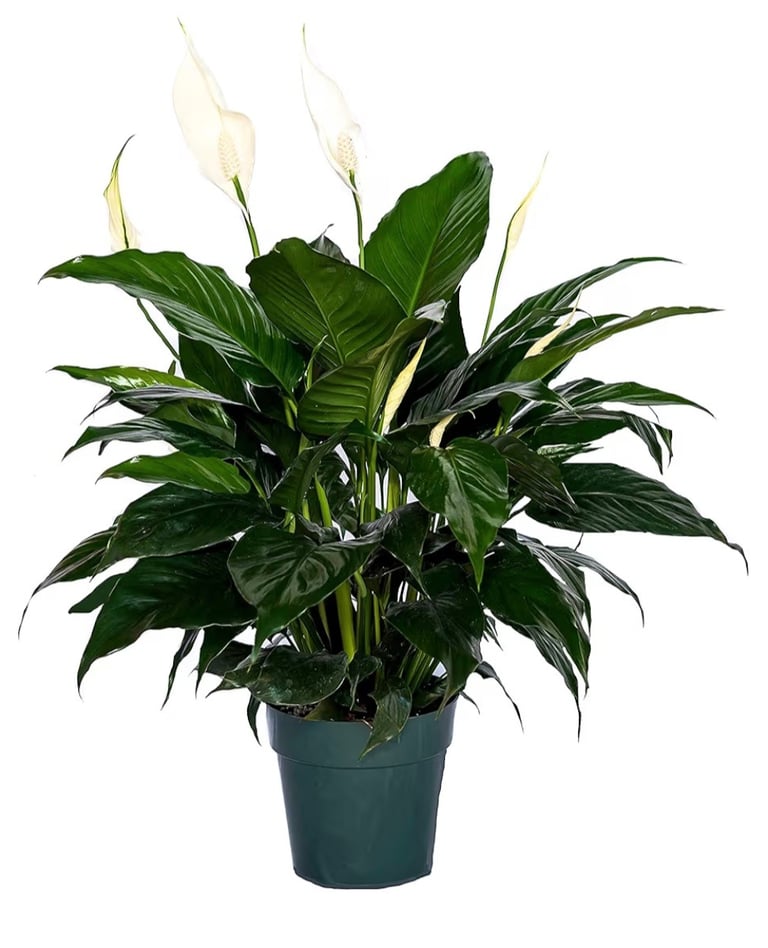
Peace Lily (Spathiphyllum)
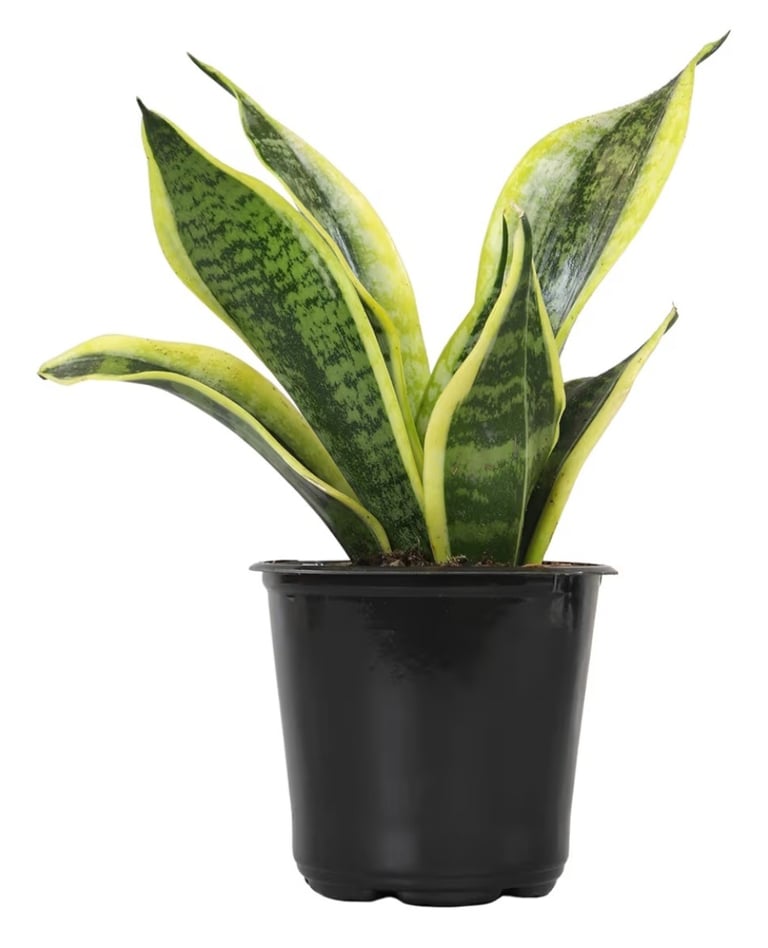
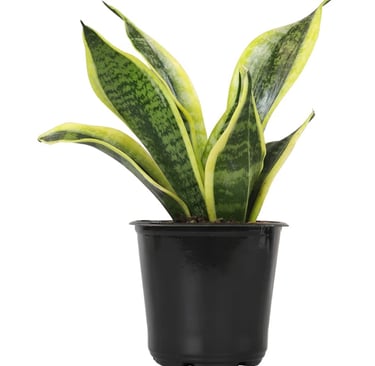
Snake Plant (Sansevieria/Dracaena)
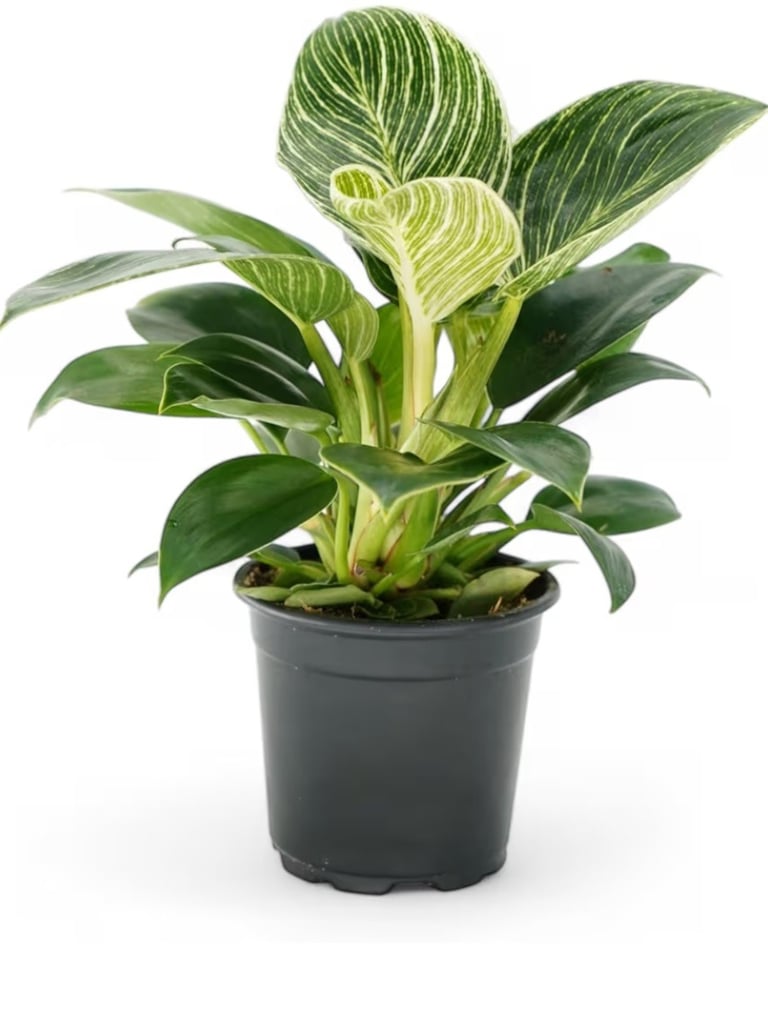
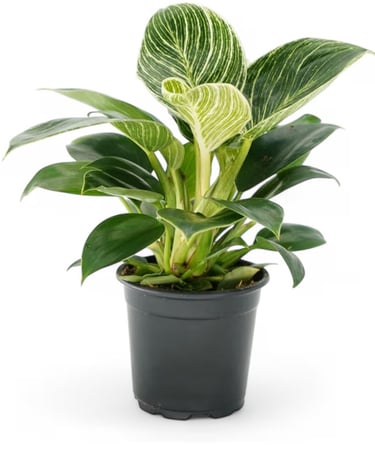
Philodendron Birkin
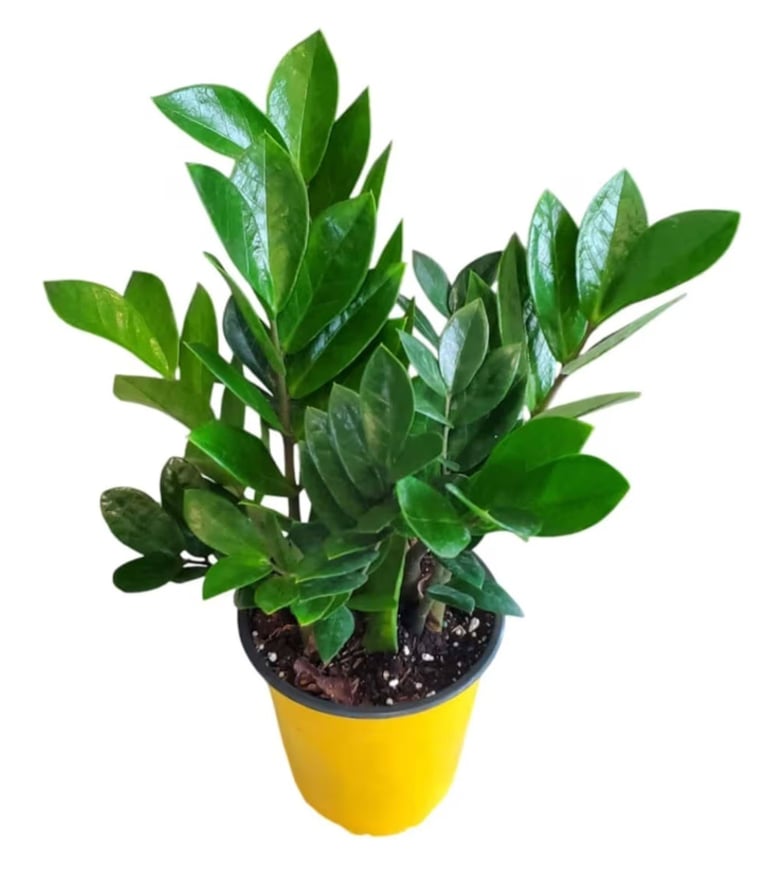
ZZ Plant (Zamioculcas)
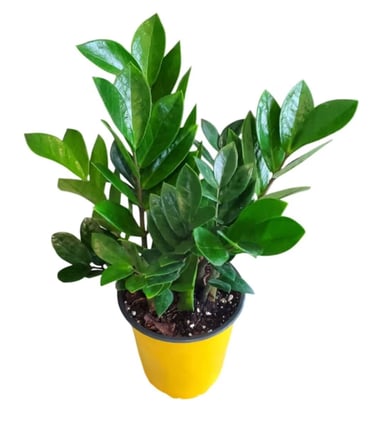
This balanced soil mix works best for plants that prefer consistent moisture without staying overly wet. It supports steady growth, stable roots, and low-maintenance care for some of the most reliable indoor plants.
Pothos thrives in a chunky, well-aerated soil mix because it prefers consistent moisture without sitting in soggy soil. The added airflow helps prevent root rot while supporting fast, trailing growth.
Snake plants need excellent drainage, and a chunky soil mix helps prevent excess moisture from sitting around the roots. This reduces the risk of root rot and supports their naturally drought-tolerant growth style.
Peace lilies benefit from a balanced, aerated mix that holds enough moisture while still draining well. A chunky soil helps prevent compaction and keeps roots healthy, especially since they’re sensitive to overwatering.
Philodendron Birkin does best in a light, airy soil mix that allows roots to breathe while maintaining steady moisture. A chunky blend supports healthy root development and helps prevent the dense, wet conditions that can slow growth.
ZZ plants thrive in a fast-draining, aerated soil mix that prevents water from sitting around their rhizomes. A chunky mix helps reduce overwatering issues while supporting steady, low-maintenance growth.
Find the right plants for your setup and avoid common mistakes from the start.
Thriving plants only happen when your care stays consistent.
The right setup makes plant care easier and gives better results.

When to Adjust Your Soil Mix
You may need to modify your mix depending on your environment or plant type.
Adjust if:
soil dries too quickly → add moisture-retentive components
soil stays wet too long → increase drainage
your home has low light or low airflow
you’re working with humidity-sensitive plants
Small adjustments improve long-term plant health.

Best Fertilizer for Indoor Plants — What to Use With Your Soil Mix
Your soil mix is working. Now you're leaving money on the table if you're not feeding it right Even a perfectly built DIY blend burns through its nutrients in 4–6 weeks. After that, your plants are running on empty — and no amount of good soil structure compensates for zero nutrition. Here's the exact fertilizer system that works with this mix, not against it.
Step 1 — Build Slow-Release Nutrition Into Every Batch (Worm Castings)
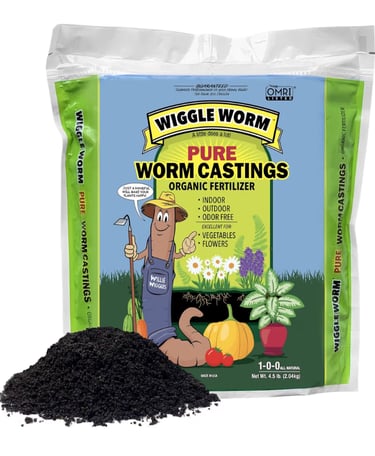
Worm castings are the only amendment worth adding directly to your mix. They release nutrients steadily for 2–3 months, never burn roots, and work on every plant from pothos to monsteras to fiddle leaf figs. Add 10% by volume to every batch — this is your baseline nutrition that requires zero maintenance once it's in the mix.
Ships Prime. Most arrive tomorrow
Add a Liquid Fertilizer During Growing Season (Spring–Early Fall)
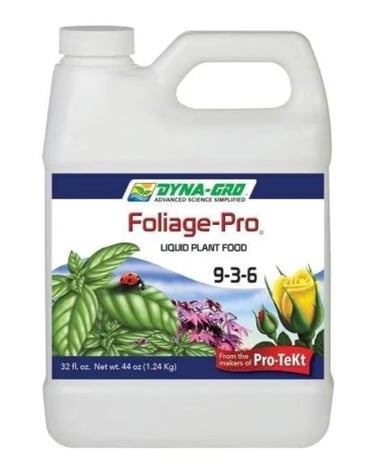
Liquid fertilizer is your growth accelerator. Use a balanced formula (NPK ratio 3-1-2 is ideal for most houseplants) every 2–4 weeks from spring through early fall. Half the recommended strength every time —more is not better, it's just salt buildup waiting to happen. Flush with plain water once a month to keep the root zone clean.
Ships Prime. In stock now.
Slow-release pellet fertilizers in indoor soil release too fast at room temperature, burn roots, and spike pH over time. They're made for outdoor beds. Skip them entirely for container houseplants — the two-step system above does everything they're supposed to do, without the damage.
What to Skip (And Why It Costs You Plants)
Your Fertilizer Schedule — Copy and Save This
Spring through Summer:
Liquid feed with Dyna-Gro every 2 to 4 weeks at half strength. This is your most important window. Every skipped feeding during this period is growth your plant will never recover.
Early Fall:
One final feed then stop completely.
Winter:
Zero fertilizer. Your plants are resting. Feeding them now causes damage not growth.
Year Round:
Worm castings in your mix handle baseline nutrition on autopilot.
If your houseplants keep struggling no matter what you do, you do not have a watering problem, a light problem, or a plant problem. You have a soil problem. These six signs are your plant telling you the mix has failed. Each one has a direct fix and none of them require expensive tools or complicated adjustments. Just better soil — and you can have it delivered by tomorrow.
Sign 1 — Water Pools on the Surface Before Absorbing
Your soil has compacted into a near solid mass. Water cannot penetrate it, roots cannot expand through it, and oxygen cannot reach the root zone. This does not get better on its own. It gets worse every single watering cycle.
Fix it now:
Repot into fresh mix with 30 percent perlite. Do not try to amend compacted soil in place. It will not work. Get the exact ingredients here — in stock, ships Prime.
Sign 2 — Soil Still Wet 7 to 10 Days After Watering
This is the exact condition root rot needs to take hold. Healthy soil approaches dryness within a week. If yours does not, your roots are sitting in stagnant wet soil with zero oxygen. This is how you lose plants silently over weeks without ever knowing why.
Fix it now:
Check the roots immediately. Trim any mushy brown ones with clean scissors. Repot into a mix with 30 to 40 percent drainage amendment today, not next week. Get the drainage ingredients here — ships Prime, arrives in 1 to 2 days.
Sign 3 — Watering Correctly and Still Getting Root Rot
Root rot is almost never caused by overwatering. It is caused by soil that will not drain. If you have adjusted your watering schedule and are still losing plants, stop adjusting your watering. The dense mix is the problem every single time.
Fix it now:
Repot into the recipe on this page. Problem solved at the source.
Sign 4 — Roots Circling the Pot or Coming Out the Bottom
Your plant has exhausted every usable inch of soil and the existing mix is too depleted and too dense to support any more growth. This does not fix itself.
Fix it now:
Go up one pot size with fresh mix. One size only — going larger creates excess moisture retention and trades one problem for another. See the best pots guide here for exactly what to repot into.
Sign 5 — Zero New Growth During Spring or Summer
No new leaves for 6 or more weeks during active growing season is not normal. If your light and temperature are fine the bottleneck is almost always soil — depleted nutrients, compaction blocking roots, or salt buildup from tap water and fertilizer choking nutrient uptake.
Fix it now:
Flush the soil with filtered water. Still no growth after 2 weeks? Repot into fresh mix with worm castings worked in. Your plant is not broken. It just needs a better environment. Get worm castings here — ships Prime.
Sign 6 — Soil Shrinks Away From the Pot Walls When Dry
This is a silent plant killer. When soil pulls away from the pot edges every watering runs straight down that gap and out the drainage hole, completely bypassing the roots. Your plant gets zero benefit from watering. It is starving for moisture while you water it regularly.
Short term fix:
Bottom water. Set the pot in 2 inches of water for 20 minutes and let the mix absorb from below.
Permanent fix:
Repot into a coco coir based mix. Coco rewets easily every time. Peat heavy mixes go hydrophobic and never recover. Get the coco coir mix recipe and ingredients here.
Every Single One of These Has the Same Solution
Better soil. Better drainage. Better structure. The recipe on this page fixes all six.
The ingredients ship Prime and most arrive in 1 to 2 days. You can have healthier plants by this time next week.
Fix the soil today. See the difference within two weeks.
Root Rot, Dying Houseplants, Soggy Soil — It Is All the Same Problem

Frequently Asked Questions — Indoor Plant Soil Mix
What is the best soil mix for indoor plants?
The best indoor plant soil mix combines a quality base with amendments for drainage and aeration. The winning recipe is 40 percent potting mix, 25 percent coco coir, 20 percent pumice or perlite, 10 percent orchid bark, and 5 percent worm castings. This ratio works for the vast majority of everyday houseplants and eliminates the two biggest killers — compaction and overwatering. You can get all five ingredients on Amazon with Prime shipping and mix a batch today for less than three bags of store bought mix.
Can I make my own indoor potting soil at home?
Yes and in most cases DIY potting mix outperforms anything you can buy off a shelf. Store bought mixes are made to appeal to everyone which means they are optimized for nothing. When you make your own you control exactly what goes in, you get better drainage, better aeration, and better results. The five ingredient recipe on this page costs less upfront and makes enough mix for 20 to 30 pots. Get the ingredients here — ships Prime.
Can I use garden soil for indoor plants?
No. This is one of the most expensive mistakes houseplant owners make. Garden soil compacts in containers, drains poorly, suffocates roots, and introduces pests, fungus gnats, and disease into your home. It seems like a money saver. It is not. You will lose the plant and then buy more soil anyway. Always use a proper potting mix or make the recipe on this page.
What is the difference between potting soil and potting mix?
Potting soil contains actual mineral soil particles. Potting mix is soilless — made from coco coir, peat, bark, and perlite. For indoor container plants always use potting mix, never potting soil. Soil compacts in enclosed pots and cuts off the oxygen roots need to survive. If you can squeeze water out of it by hand it is already too dense for most houseplants.
Why does my indoor plant soil stay wet for weeks?
This is a soil structure problem not a watering problem and it is the leading cause of root rot in houseplants. Dense or compacted mix traps water with nowhere to go. The fix is to repot immediately into a well draining mix with at least 20 percent pumice or perlite. While you are at it check the roots — trim any mushy brown ones with clean scissors before replanting. Your plant can recover but it needs better soil first. Get the drainage ingredients here — in stock, ships Prime.
Is perlite or pumice better for indoor plant soil?
Both work. Perlite is lighter, cheaper, and more widely available making it a great default. Pumice is heavier which helps anchor top heavy plants and it does not float to the top of the mix over time. For everyday houseplants either works perfectly. The recipe on this page calls for either one so use whichever you can get your hands on first.
How often should I replace my houseplant soil?
Every one to two years or when you see roots escaping drainage holes, water running straight through without absorbing, or growth stalling completely. Potting mix breaks down over time and loses its structure. The good news is that a DIY mix made with quality ingredients holds its structure longer than commercial bagged mixes. One batch can easily last you 12 to 18 months across multiple plants.
Is DIY potting mix actually cheaper than buying it pre-made?
Yes — significantly. A bag of decent pre-made mix runs 15 to 25 dollars and covers maybe three to four repottings. The same 60 to 80 dollars in DIY ingredients makes enough mix for 20 to 30 or more pots and lasts 12 to 18 months. The cost per pot drops by 60 to 70 percent once you are buying in bulk. For anyone with more than six houseplants making your own mix pays for itself within the first season. Get the full ingredient list here — everything ships Prime.

Create a Reliable Indoor Plant Care Foundation
If your plant care feels inconsistent, your soil is often the starting point.
A balanced indoor soil mix gives you a stable foundation so watering becomes easier, roots stay healthy, and plants grow more predictably.
Instead of constantly adjusting your care routine, start with a mix that works with your environment.
Fix your plant setup + stay consistent →
Build a reliable plant system
Not sure what mix is right for you?
Ready to build your full plant setup?
Your soil mix is probably the problem


most potting mixes straight from the bag aren't cutting it. grab the free recipe guide and see exactly what your plants actually need.
Most of my favorite things ship for free with a Prime membership. If you haven't tried it, there's a free trial available here.