The Dangers of Plant Blogs (A Cautionary Tale)
Conflicting houseplant care advice online can do more harm than good. Learn why reading too many plant blogs led to unnecessary repotting, chopping, and stress—and how a simple, consistent plant care routine can help your houseplants thrive.
PLANT CARE
Valerie
1/31/20263 min read
The Dangers of Plant Blogs
(A Cautionary Tale)
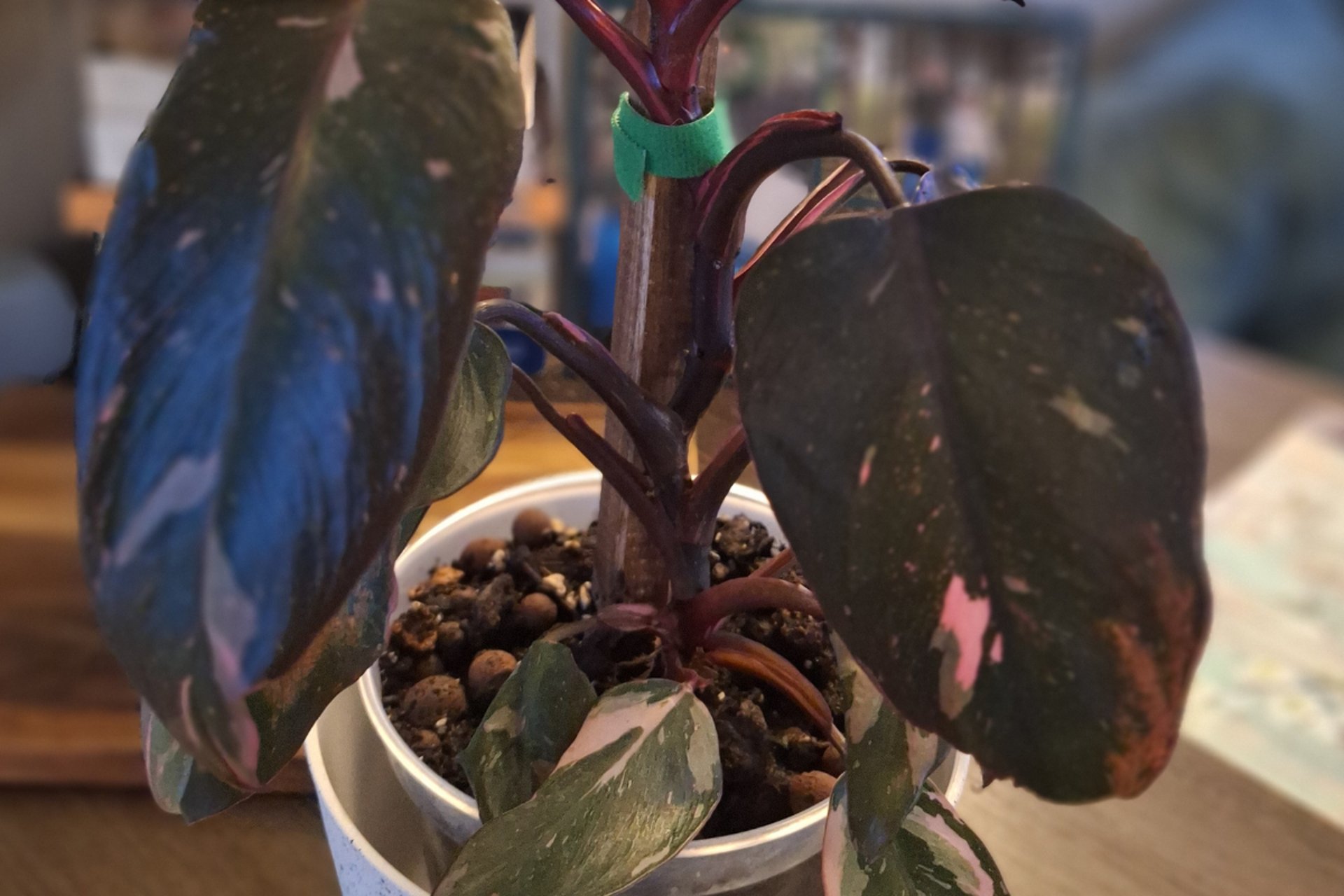
The day began as usual I arose from bed and started turning on my plant lights waking everyone up for the day. Good morning, Mrs. Peace Lilly, Good morning Mr. Pothos, and then I saw it. Mrs. Pink Princess had this weird looking bumpy Ish discoloration thingy that seemed to have appeared out of nowhere. I started inspecting her under a microscope, what is going on? Oh no, there were other patches!! Two others, smaller than this monster on her beautiful new leaf but OMG!
Now my day was full, I began inspecting everyone one by one, my Monstera, beautiful as always, my Birkin, great, my Polly, always a stunner. OK, I started to relax a little and then I saw my White Wizard!! Same exact thing!! awful copperish looking roughish weird looking patches.
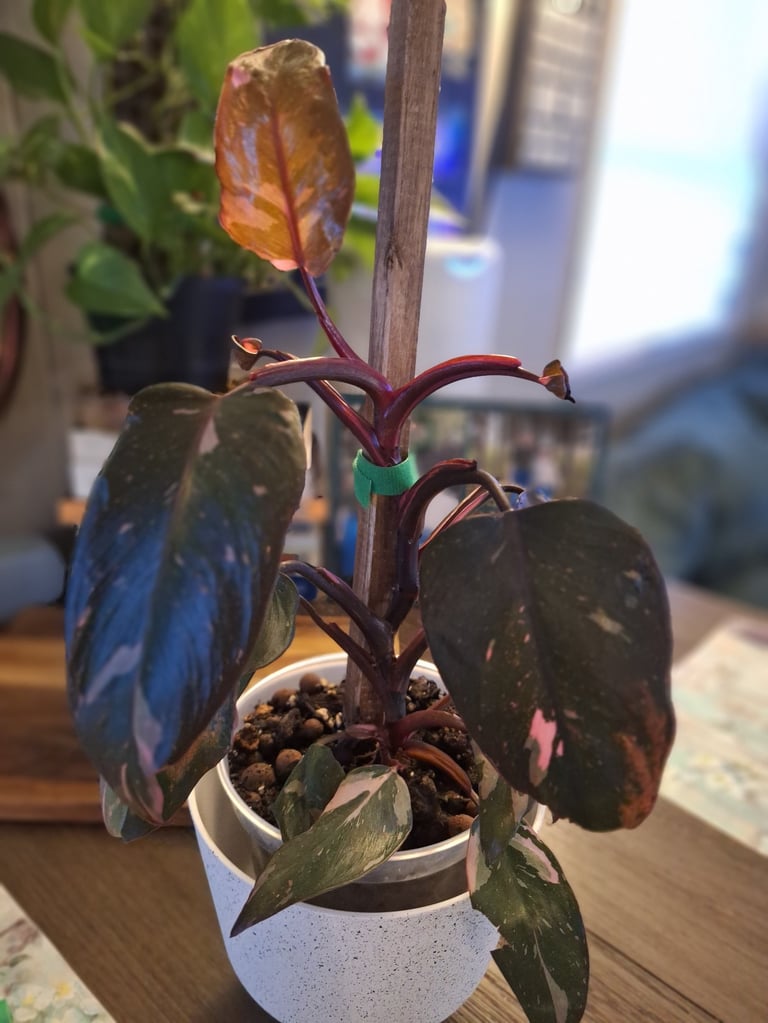
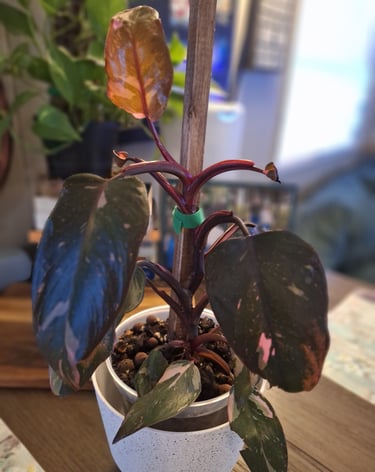
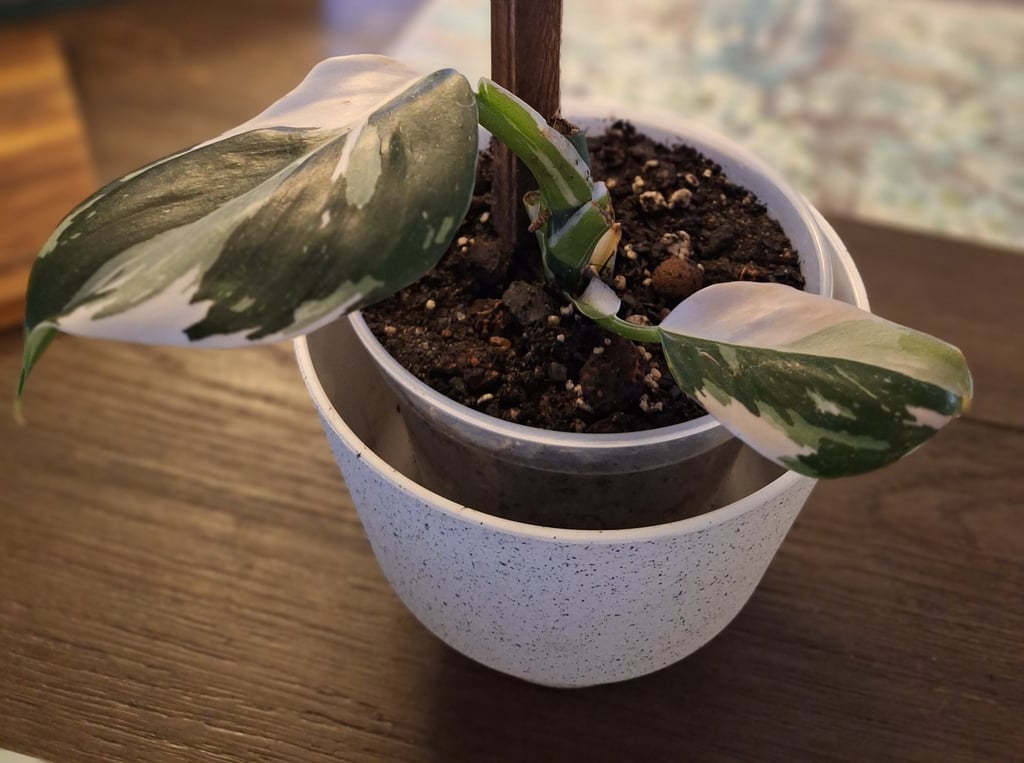
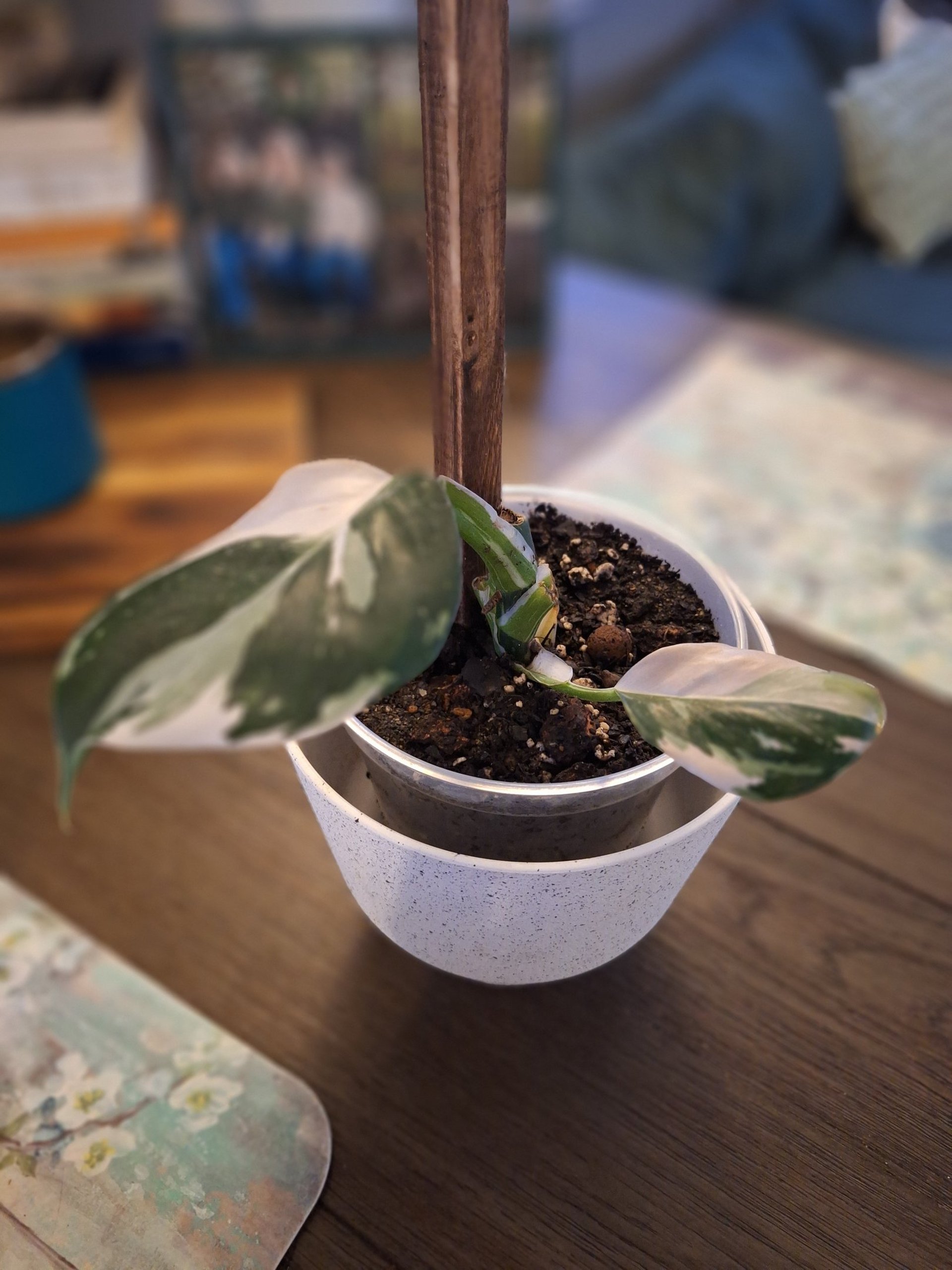
They were immediately quarantined, separated from the fam and doused with poisons things started looking bleak! And this is where I freaked out, before I realized what I was even doing I started chopping away in some sort of fear induced frenzy and when I came out of it only two leaves were left. A single tear fell from my eye but a part of me deep down knew or thought I knew it needed to be done.
And although we are not quite there yet they have officially been resurrected out of the quarantine closet and are sitting in their rightful place.
Was it thrips, maybe, was it spider mites, maybe was it blight, no, I’m pretty positive that I was wrong there. Which is what brings me to this post. . .when in doubt, put down the scissors, take a breath, hopefully you will heed this warning before you end up chopping one of your best friends into pieces.
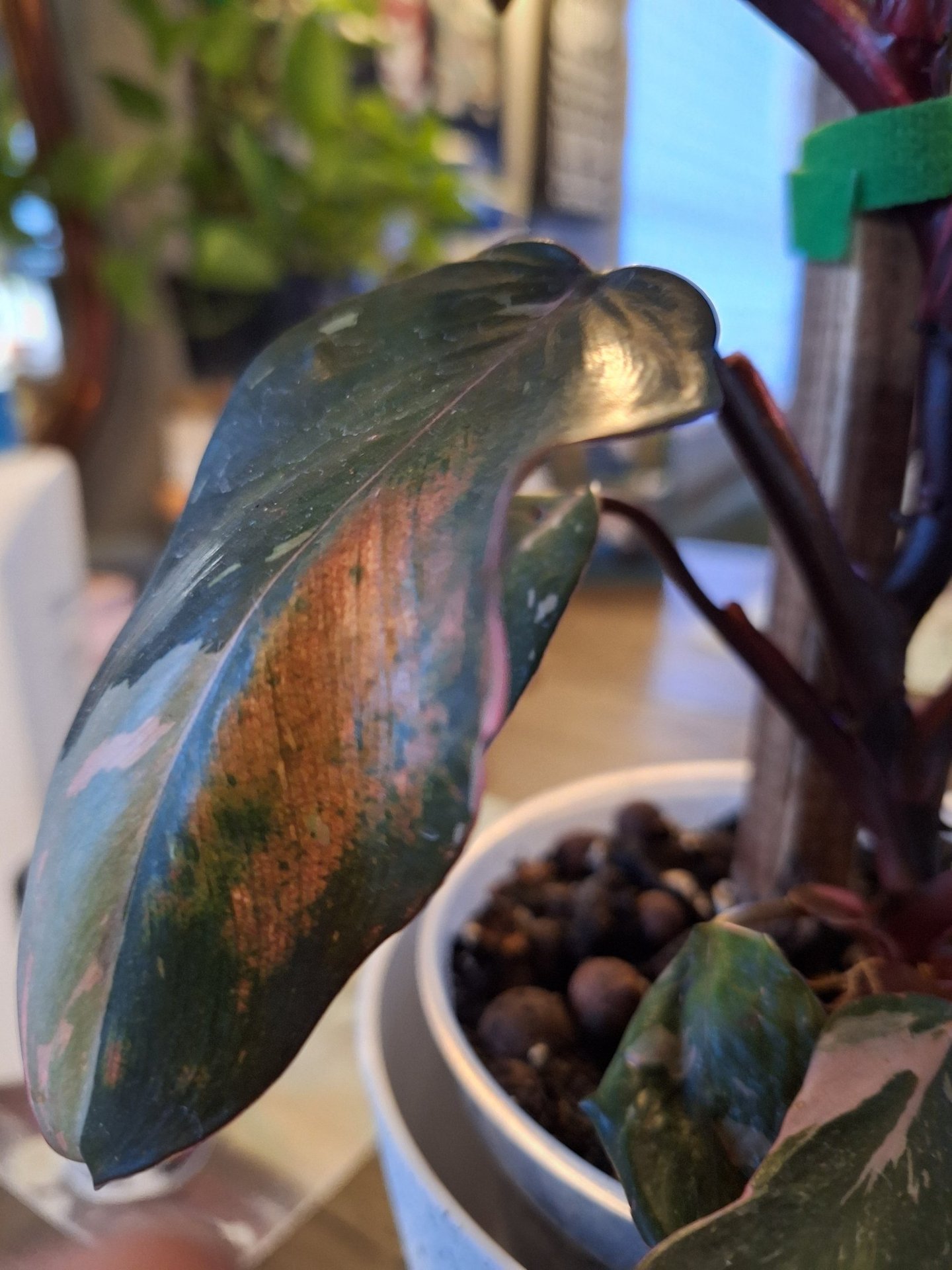
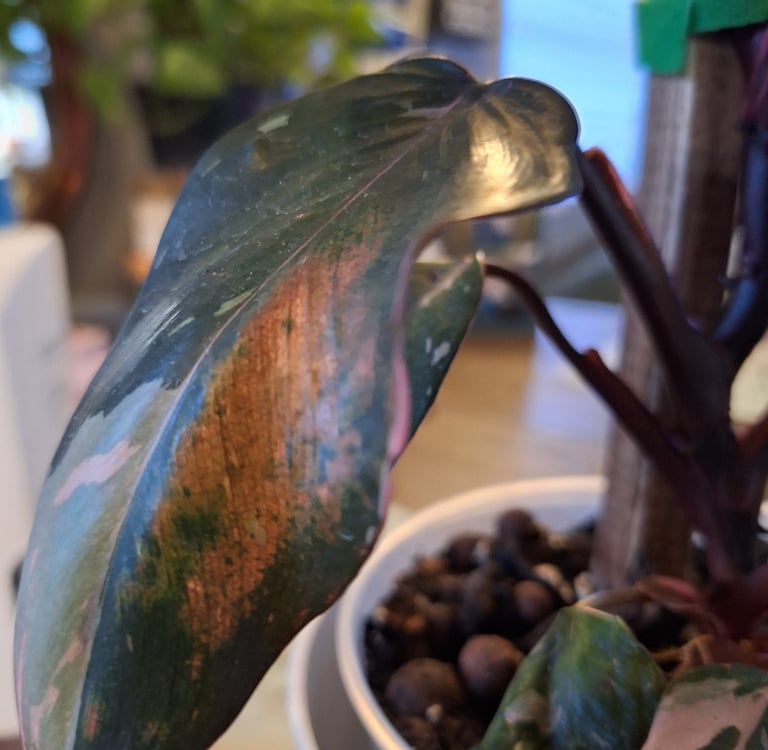
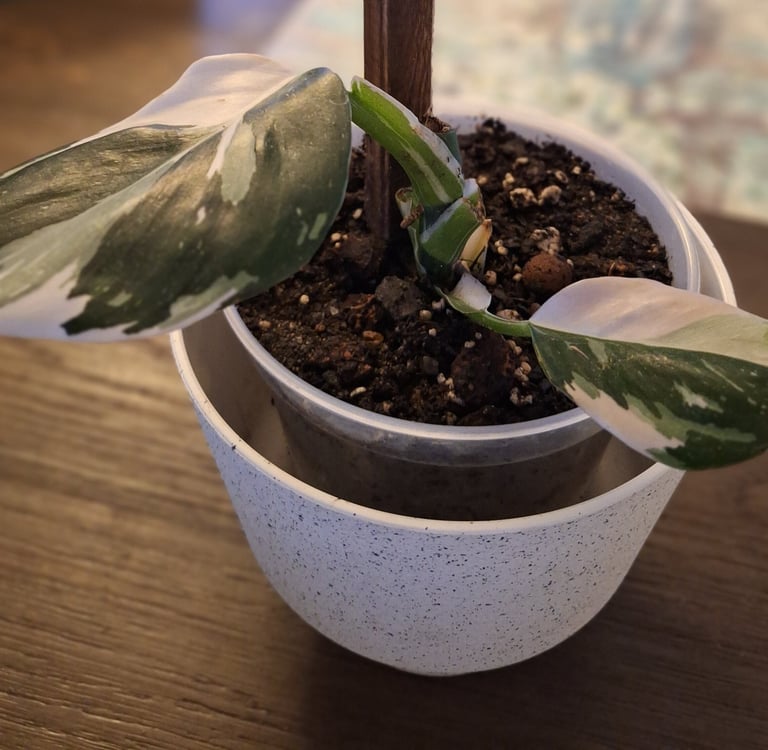
I scoured the internet and found everything from thrips to spider mites, to Scale. It could be anything?! So, I did what any good plant owner would do, and I started poisoning them on the regular. 😭😭
This is their survivor’s story.
FAQ
Why do different plant blogs give different advice?
Different growing conditions, climates, potting mixes, and personal experiences all influence plant care advice. What works for one grower may not work in another home, which is why following dozens of different guides often creates confusion instead of healthier plants.
Can reading too much plant care advice hurt my plants?
It can. Constantly changing watering schedules, fertilizer routines, soil mixes, or light conditions based on conflicting advice may stress otherwise healthy plants. Consistency is usually more beneficial than frequently changing care methods.
Why is my Pink Princess Philodendron leaf turning brown?
Brown leaves on a Pink Princess are usually caused by too much direct sun, very dry air, or inconsistent watering — not a single dramatic cause. It's also normal for highly pink leaves to eventually brown because the plant can't sustain that much pink tissue long-term.
Why does my Pink Princess have brown spots on the leaves?
Spotting is often linked to overwatering, fertilizer burn, or moisture sitting on the leaves rather than a pest or disease. Before changing your whole routine, check whether your watering habits or recent repotting could be the simpler explanation.
Why is my White Wizard Philodendron losing its variegation?
Reverting to green typically means the plant isn't getting enough bright, indirect light. Increasing light exposure gradually is usually a better first step than repotting or changing soil.
Should I repot my Philodendron every time it looks stressed?
No. Repotting is stressful for the plant on its own, and doing it in response to every new symptom often creates more problems than it solves. Only repot when roots are visibly outgrowing the pot or the soil isn't draining properly.
How do I know which plant care advice to trust?
Look for advice that explains why something happens, not just what to do, and be skeptical of any guide that doesn't account for your specific light and humidity conditions. One consistent routine, adjusted slowly, will usually outperform advice gathered from multiple sources at once.
My PPP is growing again, The White Wizard is recovering, and I’ll keep you updated.
Thanks for reading
-Valerie 🤍
Your soil mix is probably the problem


most potting mixes straight from the bag aren't cutting it. grab the free recipe guide and see exactly what your plants actually need.