
Why Are My Mosquito Bits Molding? (And What to Do Instead)
mosquito bits growing white fuzz on your soil? here's exactly why it happens, whether it's harmful, and the method that actually works instead.
FUNGUS GNATS 101
Valerie
7/2/20264 min read
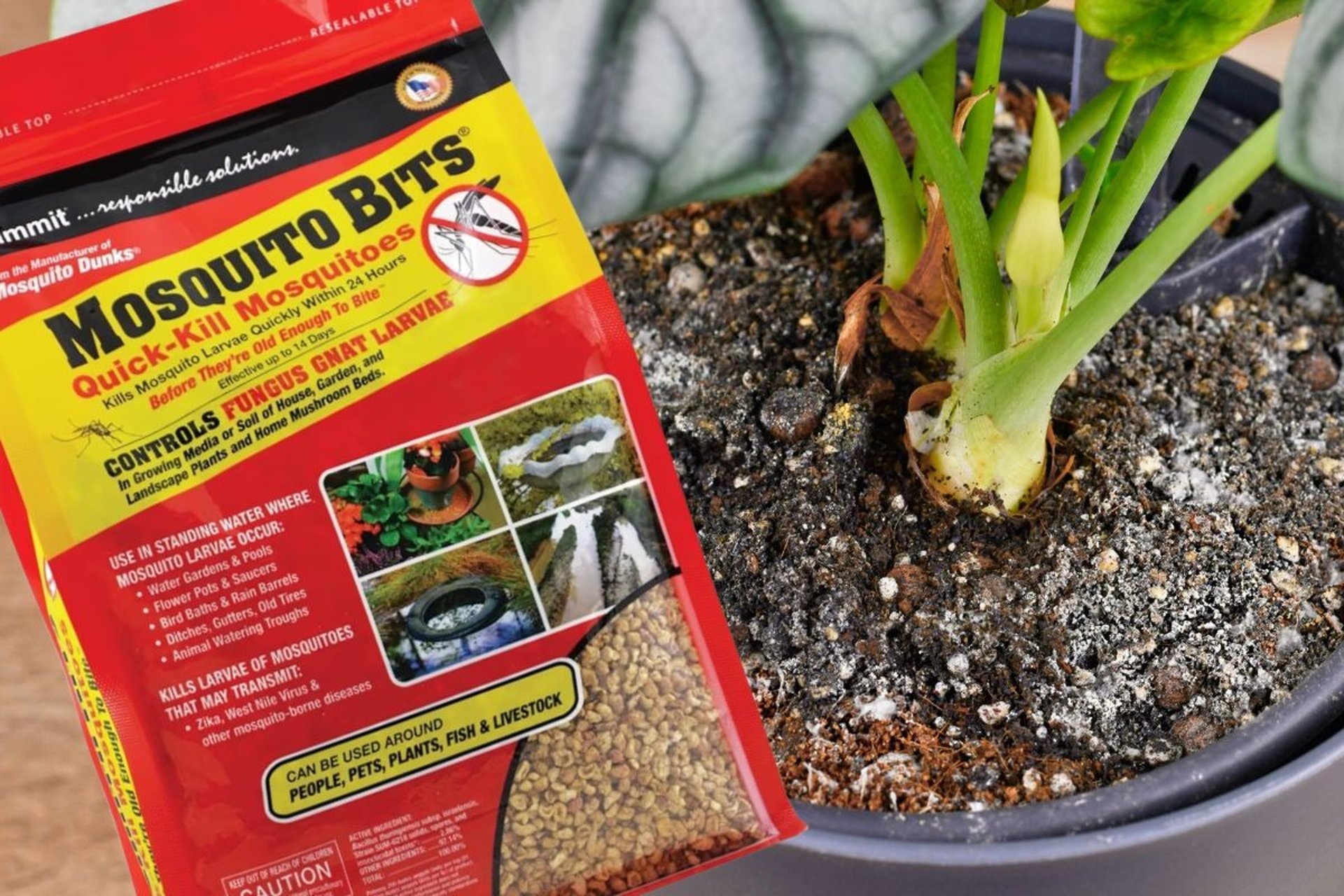
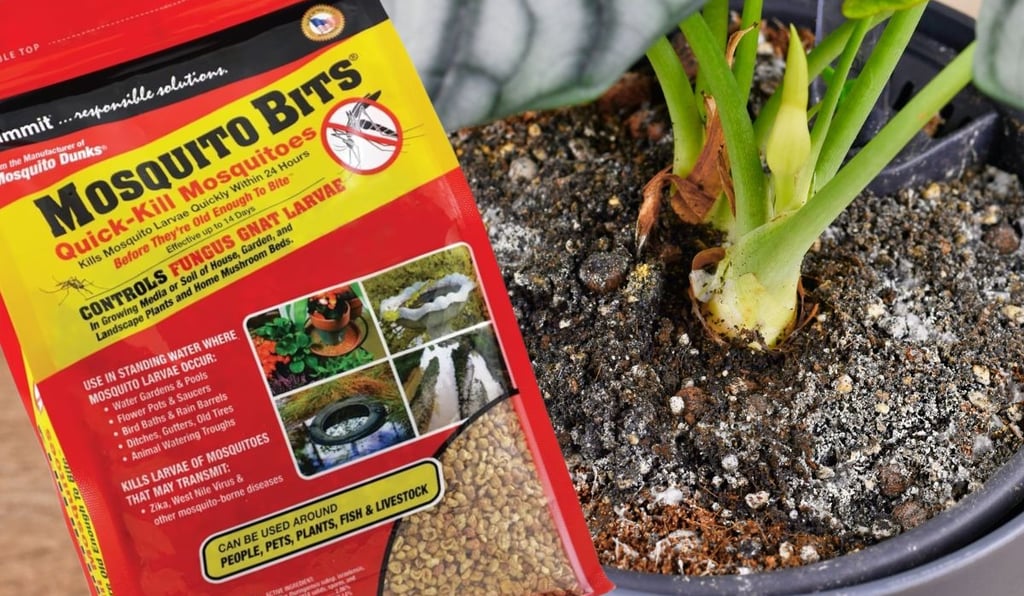
Why Are My Mosquito Bits Molding?
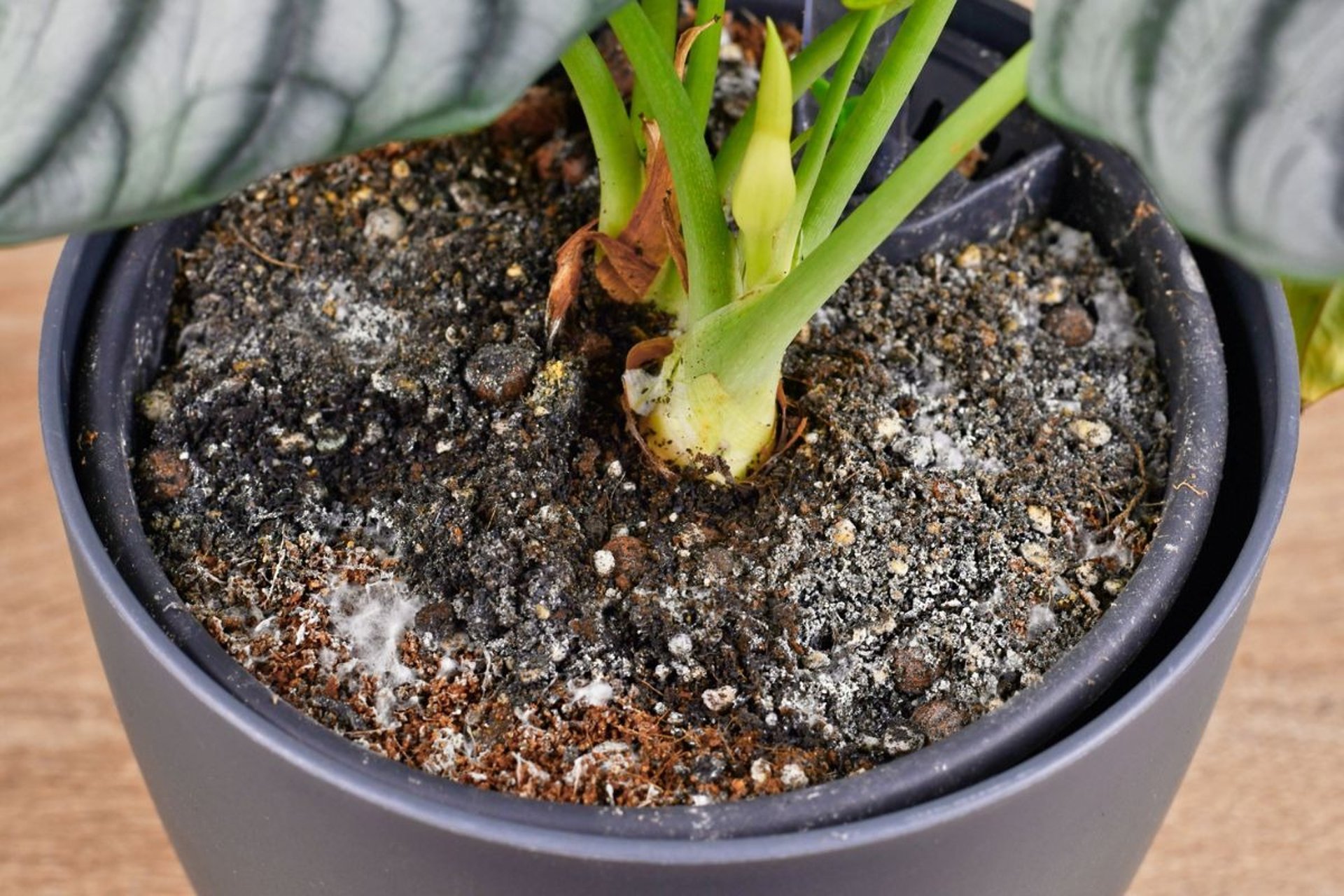
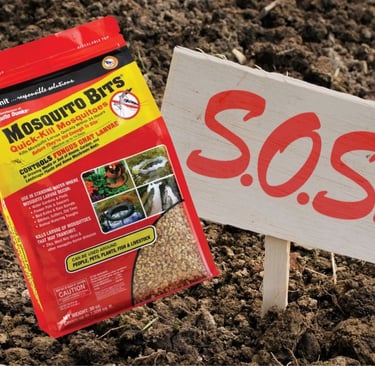
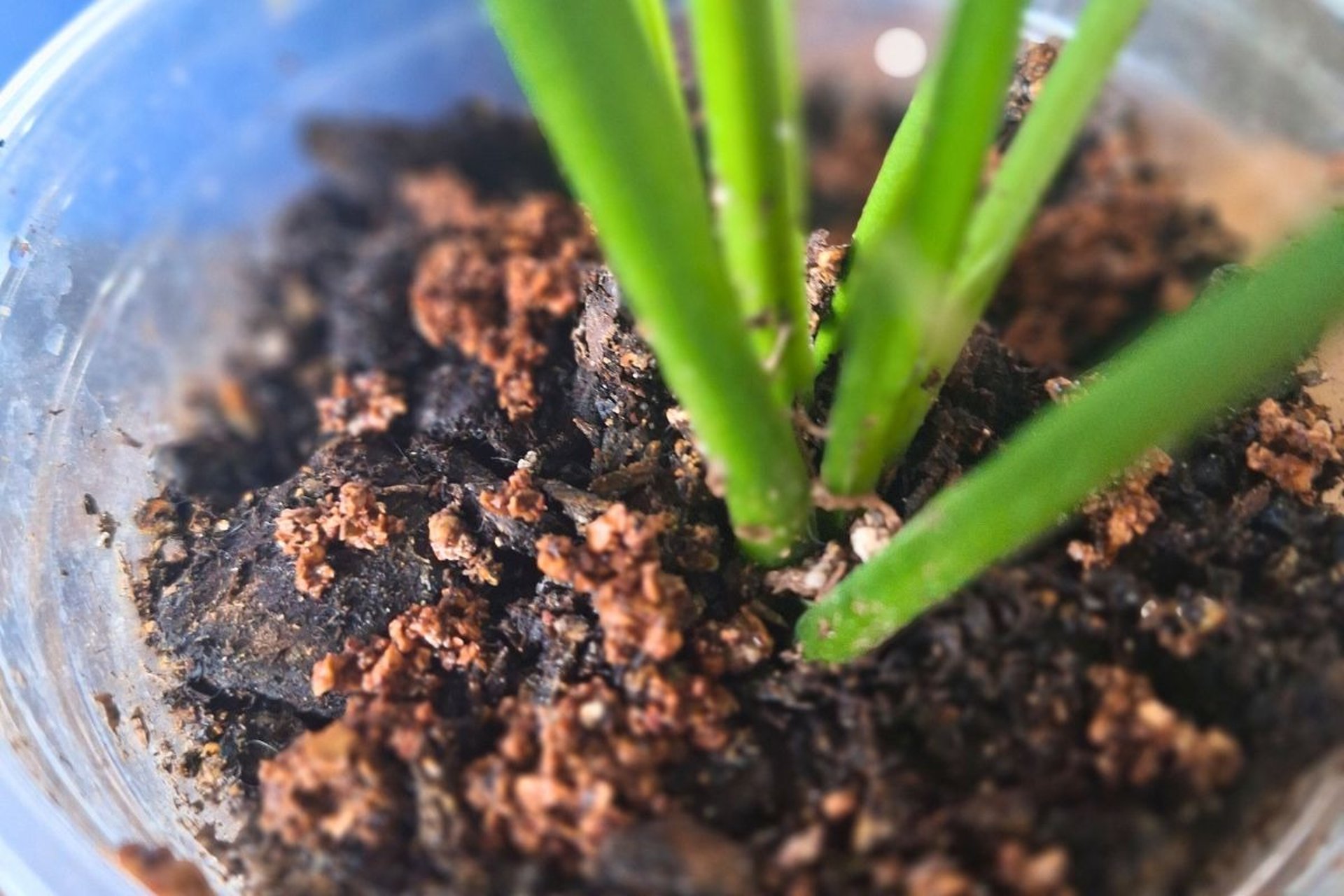
mosquito bits mold on top of soil because they're made from a corn cob base — and corn is organic material that breaks down fast in warm, damp conditions. the white fuzz you're seeing is mold growing on the corn, not the bti bacteria, and it's harmless to your plant. but it does mean the bits aren't working the way they should.
if you want to skip the mold altogether, the tea method works way better for most plants
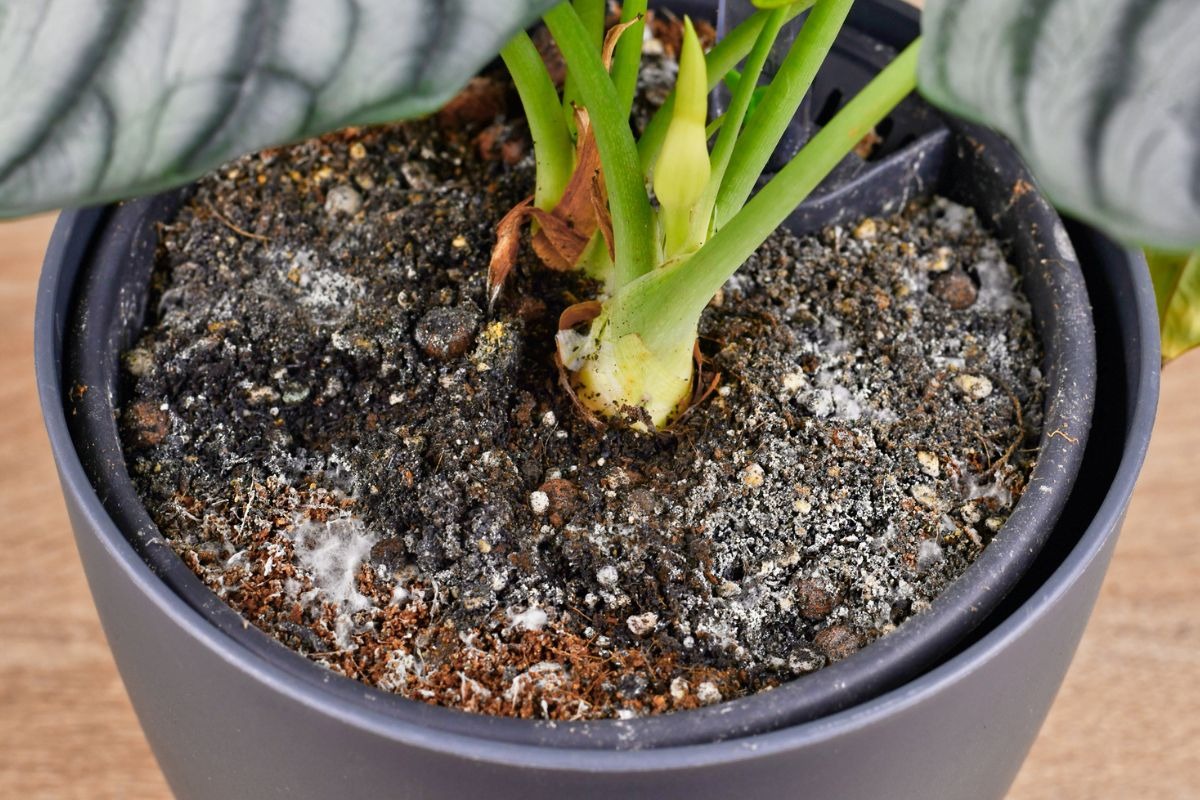
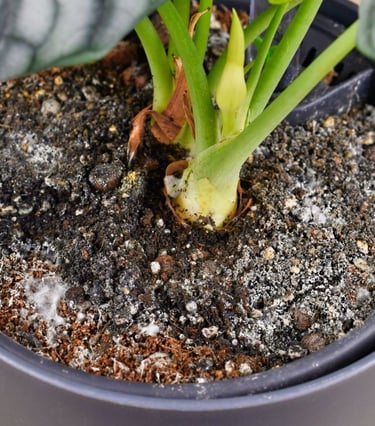
why mosquito bits mold on top of soil
mosquito bits are made from a corn cob base that's been inoculated with bti bacteria. corn is organic material — and organic material sitting on warm, damp soil does exactly what you'd expect: it grows mold. this isn't a sign something went wrong with your bits or your plant. it's just what happens when you skip the tea method and go straight to sprinkling.
i've done this myself. within three days the bits on my pothos were covered in white fuzz and looked worse than the gnats did.
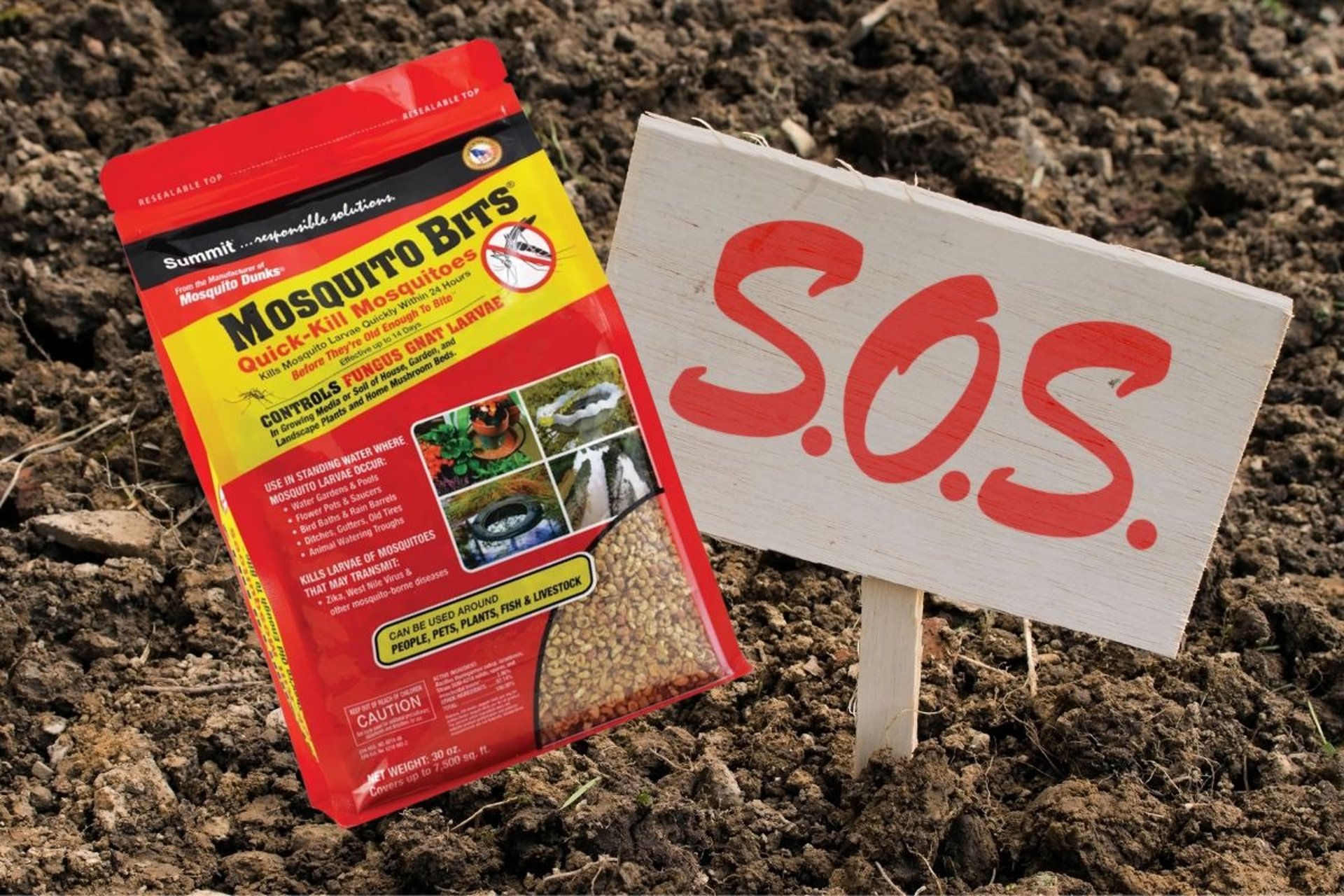
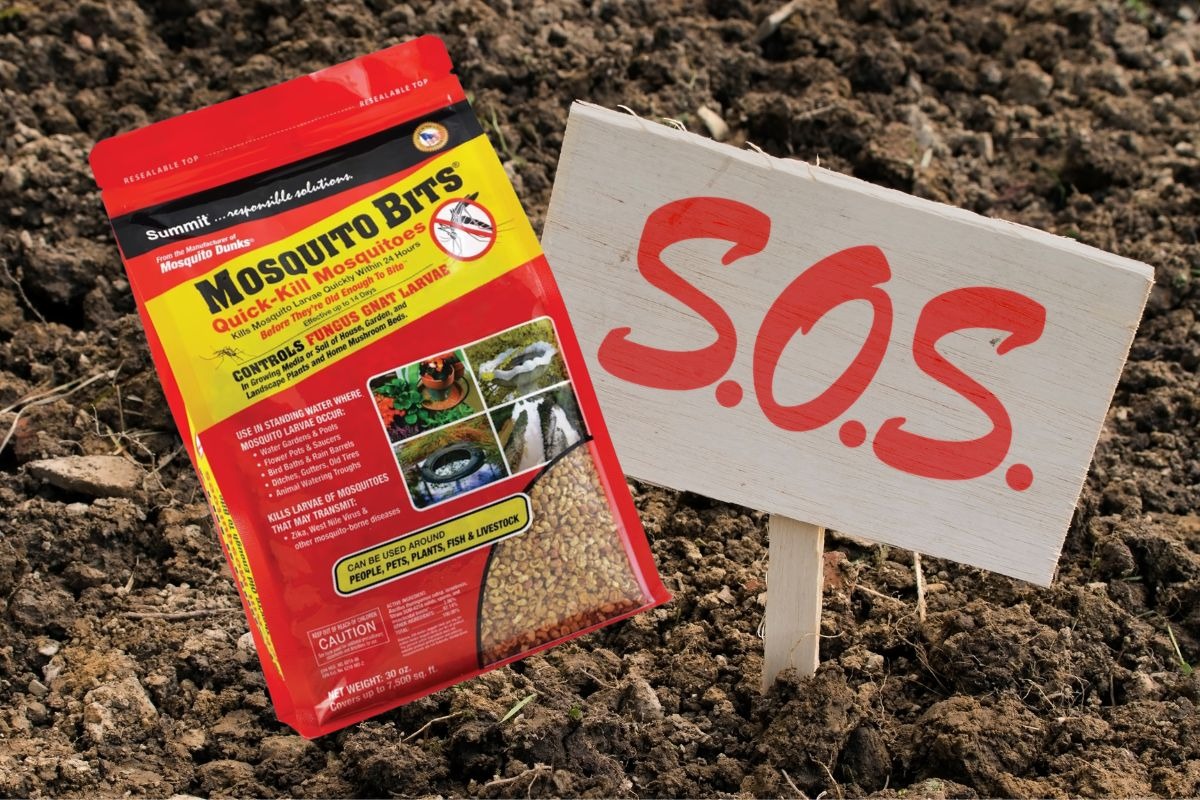
what the mold actually means for your plant
the white mold is cosmetic. it won't hurt your roots, won't spread disease, and won't harm your pet if they sniff the pot. what it does mean is that your treatment isn't working — bits sitting on top aren't releasing bti into the soil where the larvae actually live. you're growing mold, not killing gnats.
the right way to use mosquito bits in soil
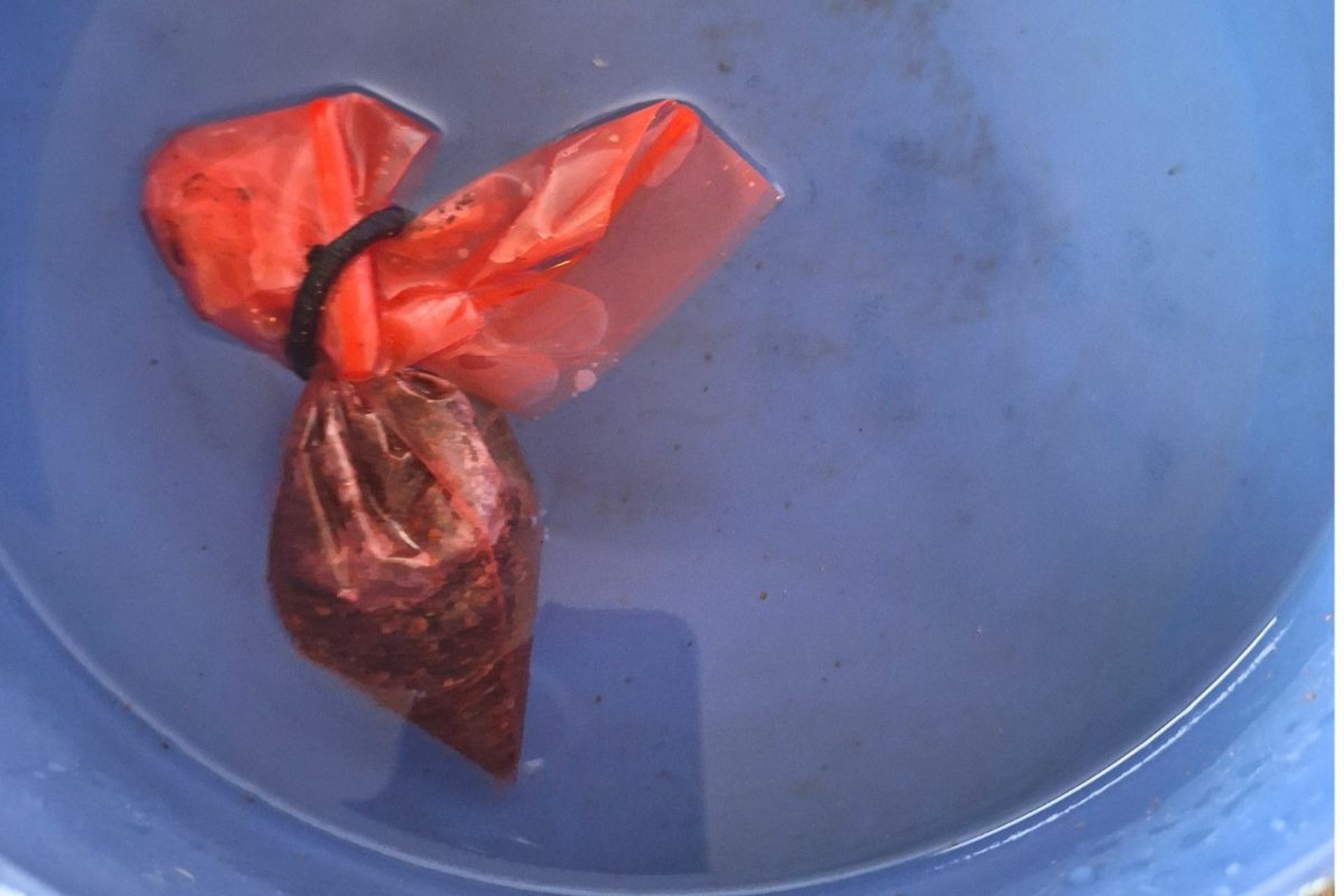
skip the sprinkle method entirely. the [mosquito bit tea method] is the only reliable way to get bti where it needs to go — steeped in water, strained, then watered directly into the soil. this pushes the active bacteria down through the root zone where gnat larvae feed.
if you don't want to make tea every time, the next best option is to mix bits lightly into the top inch of soil before watering — not left sitting on the surface. this gives them somewhere to break down without sitting exposed on damp soil.
not sure if it's even working yet? here's exactly how long mosquito bits take to kill fungus gnats.
how long before bits in soil start to mold
in a warm indoor environment with regular watering, bits left on top of soil will typically start showing white fuzz within 2 to 4 days. the more humid your space and the wetter your soil stays, the faster it happens. if you're already seeing mold, remove the bits, brush off what you can, and switch to the [tea method] going forward.
frequently asked questions
is the white mold from mosquito bits harmful to plants or pets?
no — the white mold that grows on mosquito bits is caused by the corn cob base breaking down, not the bti bacteria. it's cosmetic and harmless to your plant, soil, and pets.
can you mix mosquito bits into potting soil?
yes — mixing bits lightly into the top inch of soil before watering is more effective than leaving them on the surface. they're less likely to mold when they're not sitting exposed on top of damp soil.
why are my mosquito bits not working?
if you sprinkled bits on top of the soil and aren't seeing results, that's likely why. bits need water contact to release bti — either make a [mosquito bit tea] and water it in, or mix them into the top layer of soil so watering activates them properly.
do mosquito bits go bad?
yes, over time. if your bits are more than a couple of years old or were stored somewhere hot and humid, the bti may no longer be active. store them in a cool, dry place and keep the bag fully sealed between uses.
Your soil mix is probably the problem


most potting mixes straight from the bag aren't cutting it. grab the free recipe guide and see exactly what your plants actually need.
Create a Reliable Indoor Plant Care Foundation
Fix your plant setup + stay consistent →
Build a reliable plant system
Not sure what mix is right for you?
Ready to build your full plant setup?
dealing with more than just moldy bits? i've got the full fungus gnat series right here.
about valerie
valerie has been growing, propagating, and troubleshooting houseplants for years — from rescuing rootbound monsteras to fighting off her fair share of fungus gnats. quiet at home is where she shares what actually works, tested on her own plants first.